
The Sun has entered one of its most active periods in more than a decade, and the Northern Lights are making headlines around the world. But what does solar maximum really mean, is Lofoten one of the best places to see the Aurora Borealis, and how can you give yourself the best chance of witnessing nature's greatest light show?
Something extraordinary is happening 150 million kilometres away.
Our Sun has been going through a period of intense magnetic activity, sending enormous eruptions of energy into space and producing geomagnetic storms capable of creating spectacular Northern Lights displays.
In October 2024, NASA and NOAA officially announced that the Sun had entered the solar maximum period of Solar Cycle 25, the most active phase of its approximately 11-year cycle.
Since then, powerful solar storms have continued to make headlines, including a strong G3 geomagnetic storm on 10 October 2026.
For people hoping to see the Northern Lights, all this talk about solar maximum raises some exciting questions.
Is now a particularly good time to see the Aurora? Will the Northern Lights be stronger? When should you visit Norway? And where should you go for the best experience?
Here in Lofoten, we have a rather wonderful advantage.
We're already in one of the world's great Northern Lights destinations, and at Lofoten Insight, hunting the Aurora is what we do.
Let's answer some of the most important questions.
1. What is solar maximum?
The Sun isn't quite as predictable as the enormous glowing ball in the sky might suggest.
Its magnetic activity follows a cycle lasting approximately 11 years, moving between quieter periods called solar minimum and more active periods called solar maximum.
During solar maximum, the Sun typically produces more sunspots, solar flares and coronal mass ejections (CMEs).
These events can release enormous amounts of energy and magnetised material into space.
When a CME interacts with Earth's magnetic environment, it can trigger a geomagnetic storm, sometimes creating remarkable Northern Lights displays.
Think of solar maximum as a period when the Sun is particularly energetic, with more opportunities for significant space-weather events.
And for Aurora enthusiasts, that's exciting news.
2. Are we still in solar maximum in 2026?
Solar maximum is a period, not a single day when the Sun suddenly reaches maximum power and then switches off again.
NASA and NOAA announced in October 2024 that Solar Cycle 25 had entered its maximum phase.
Although solar activity eventually declines towards the next solar minimum, the transition takes years, and significant geomagnetic storms can still happen after the peak.
The strong G3 geomagnetic storm recorded on 10 October 2026 is a good example of why the Northern Lights remain such an exciting phenomenon to follow.
However, solar maximum doesn't mean that every evening will feature incredible Aurora activity, and it certainly doesn't make an individual display predictable months in advance.
What it does mean is that we're experiencing an especially interesting chapter in the Sun's natural cycle.
And there's no better time to start learning about the extraordinary relationship between our star and Earth's atmosphere.
3. Why is Lofoten one of the best places in the world to see the Northern Lights?
The Lofoten Islands sit approximately 67 to 68 degrees north, well above the Arctic Circle and beneath the region known as the auroral oval.
This is the zone surrounding Earth's magnetic poles where Northern Lights are most commonly observed.
It's an enormous geographical advantage.
While people further south often need strong geomagnetic storms to bring the Aurora into view, we can experience beautiful Northern Lights in Lofoten during relatively modest solar activity.
But there's another reason Lofoten is extraordinary.
The scenery.
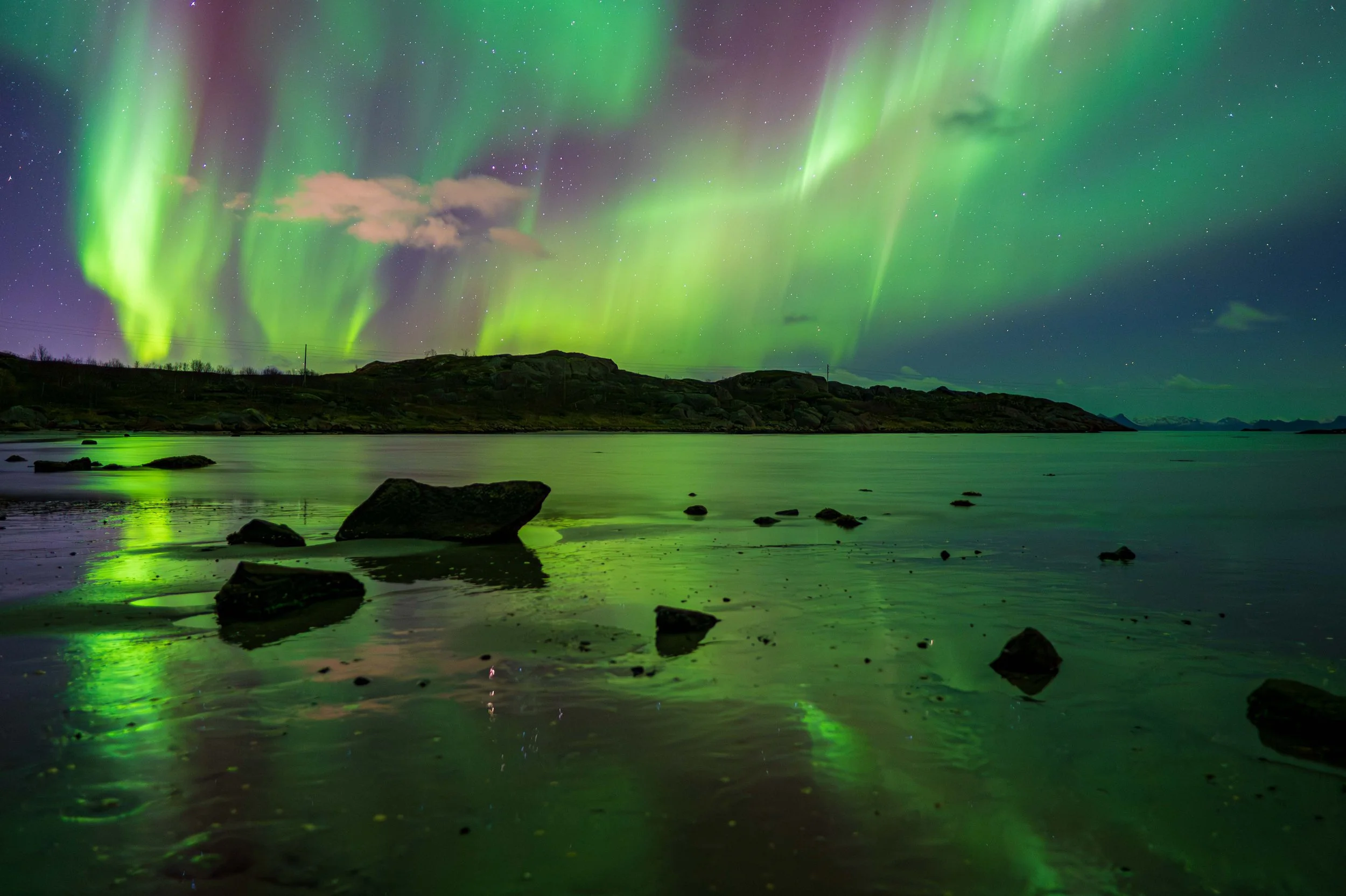
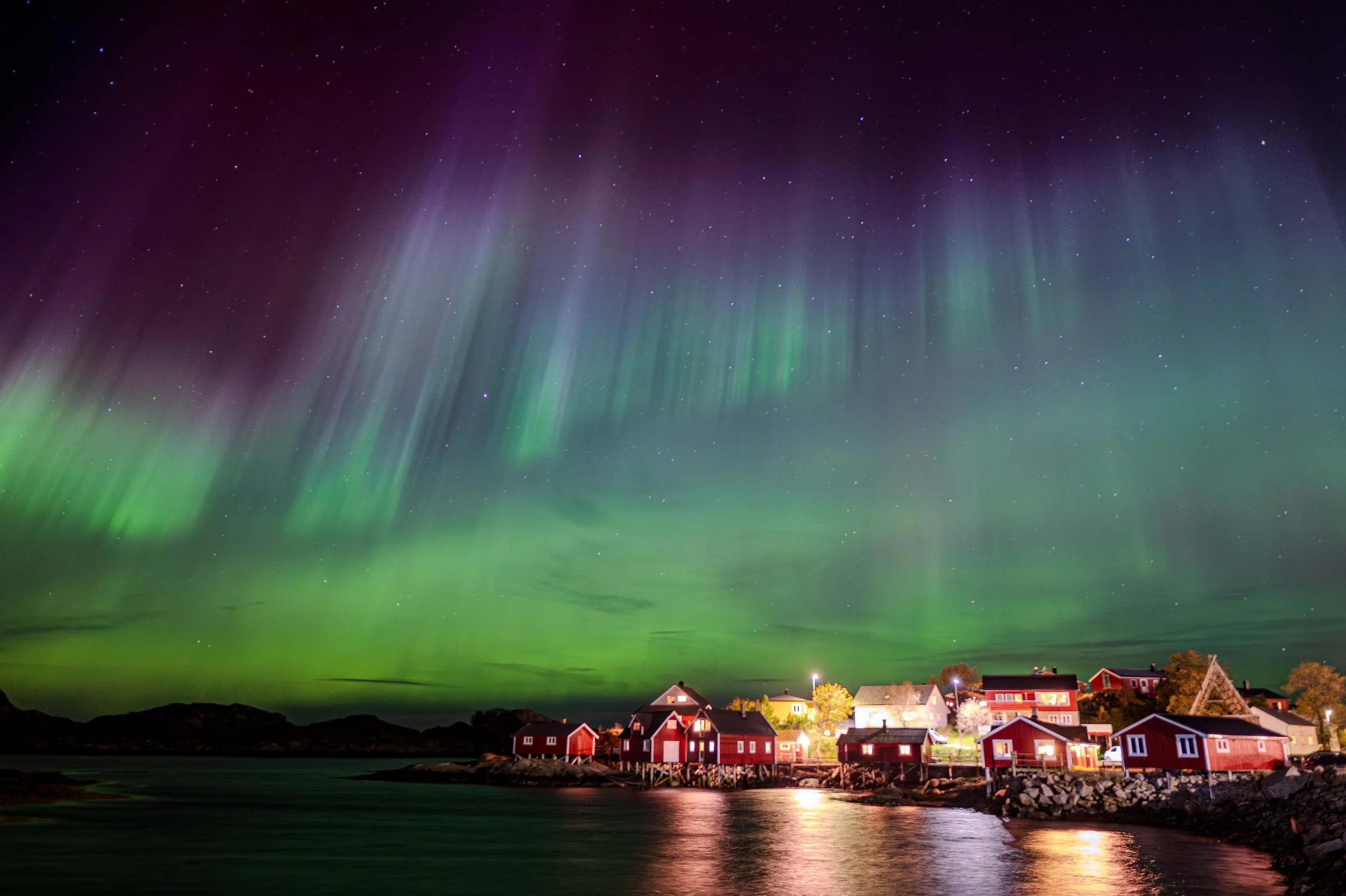
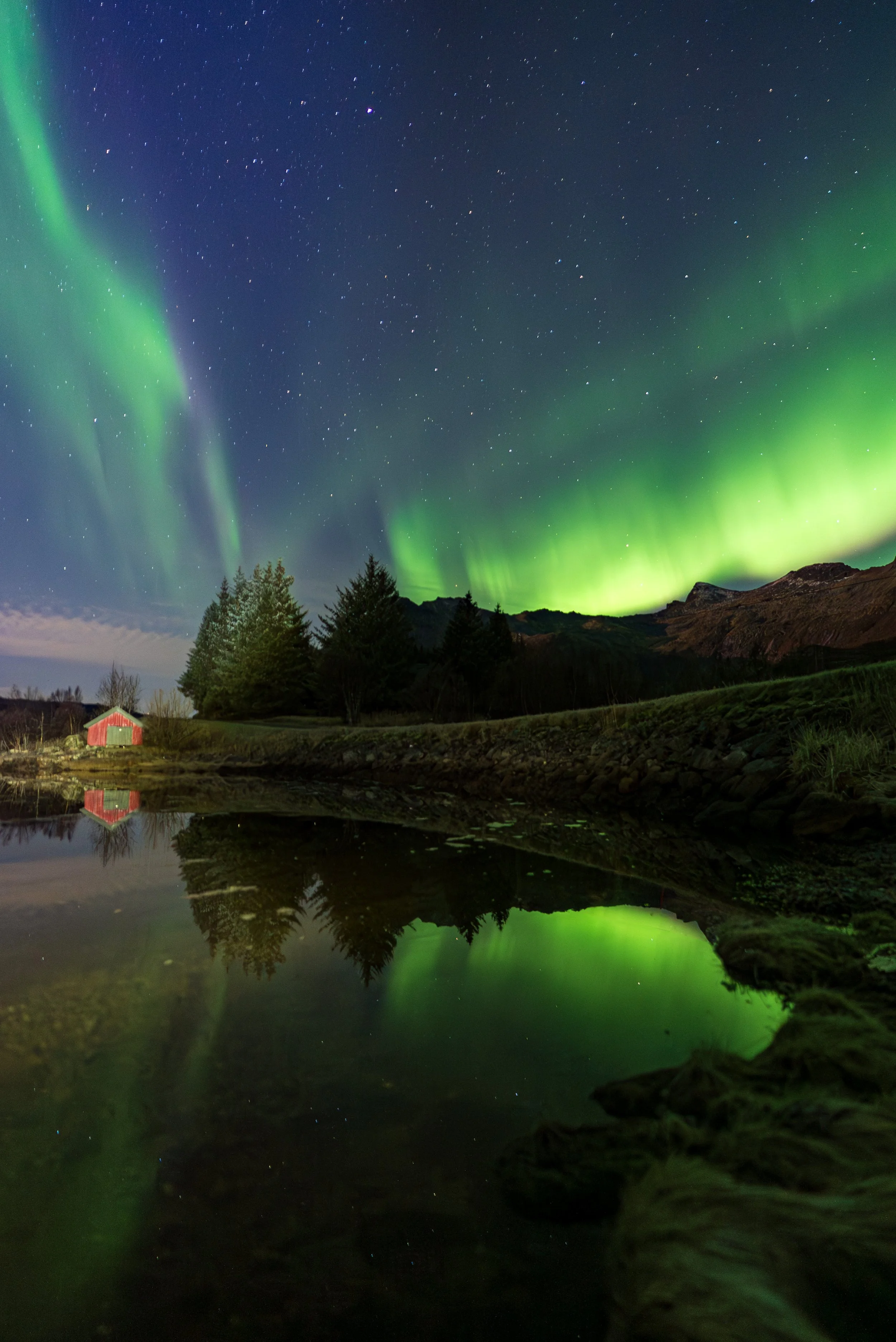
Imagine watching brilliant green Aurora curtains twist across the sky above pointed Arctic mountains, traditional fishing villages, white sandy beaches and dramatic fjords.
The landscape provides a setting that makes the experience as memorable as the Northern Lights themselves.
For photographers, it's a dream location.
For first-time visitors, it can be genuinely life-changing.
And for those of us lucky enough to live here, the excitement never really wears off.
4. Do you need a powerful solar storm to see the Aurora in Lofoten?
No, and this is one of the biggest misconceptions about the Northern Lights.
You might have seen Aurora forecasts showing something called the Kp index, with numbers ranging from 0 to 9.
Many visitors assume that a higher number automatically means a better chance of seeing the Northern Lights.
But that isn't necessarily true in Lofoten.
Because we're situated beneath the auroral oval, we can see wonderful displays even when the Kp index is only 1, 2 or 3.
A high Kp index may indicate widespread geomagnetic activity, but it isn't a guarantee of a particularly spectacular display at your exact location.
Some of our favourite Aurora experiences happen on evenings when the forecasts look relatively modest.
That's why we always encourage visitors not to obsess over the numbers on their phones.
Look at the sky. Understand the conditions. And remember that the Aurora doesn't follow a timetable.
5. What was the G3 geomagnetic storm on 10 October 2026?
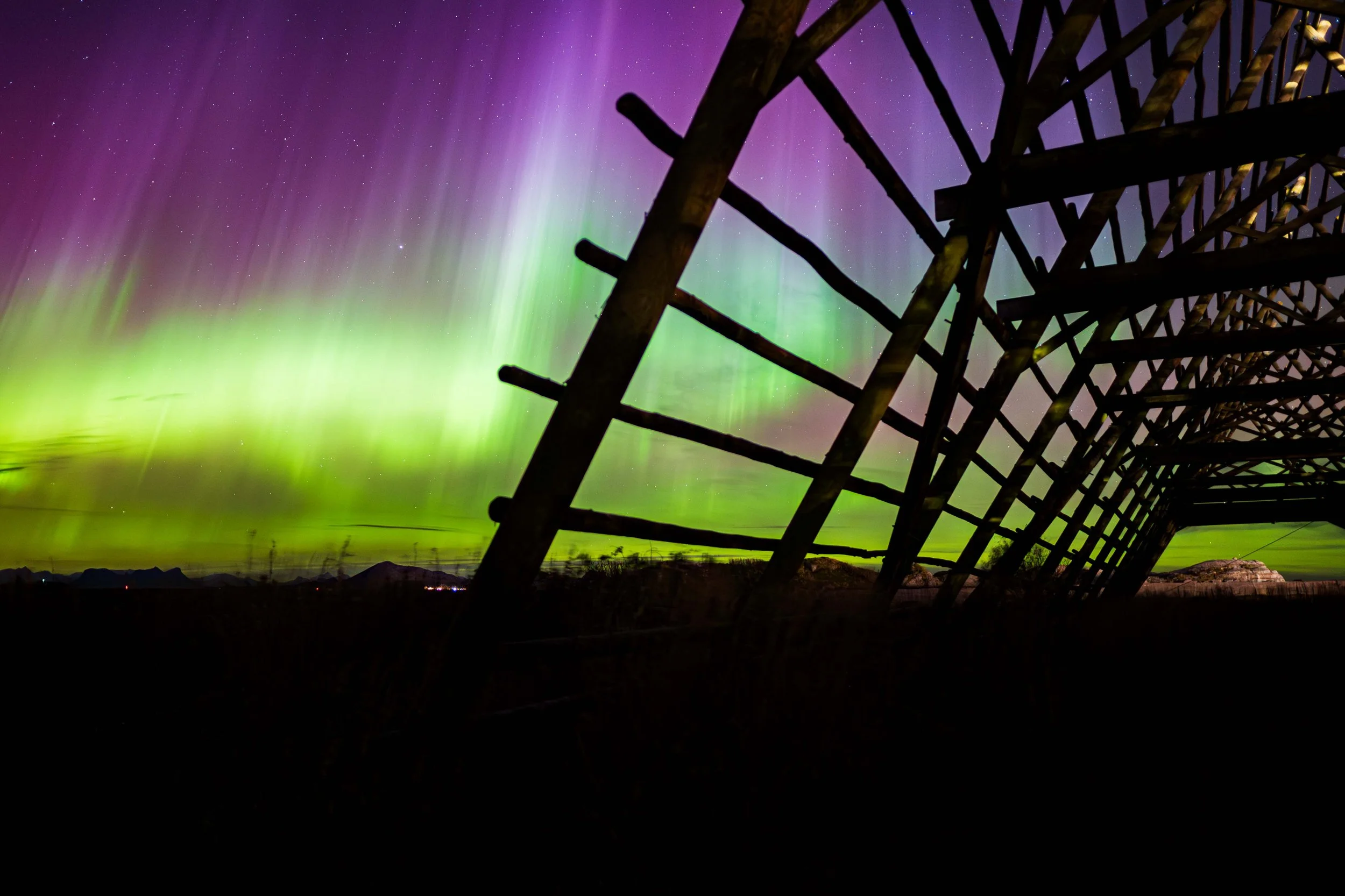
On 10 October 2026, Earth's magnetic environment experienced a strong G3 geomagnetic storm, reaching a planetary Kp index of 7.
The storm was associated with solar activity that sent a coronal mass ejection towards Earth.
A G3 storm is classified as Strong on NOAA's five-level geomagnetic storm scale.
Under these conditions, the auroral oval can expand significantly, creating opportunities for the Northern Lights to become visible at much lower latitudes than usual.
Events like this make international headlines because people who rarely have an opportunity to see the Aurora may suddenly find themselves beneath an extraordinary display.
For us in Lofoten, these events are an exciting reminder of just how dynamic the Sun can be.
But here's the important part.
You don't have to wait for the next G3 storm to experience wonderful Northern Lights in Lofoten.
Our location gives us opportunities throughout the Aurora season, provided darkness, solar conditions and the weather cooperate.
6. When is the best time to see the Northern Lights in Lofoten?
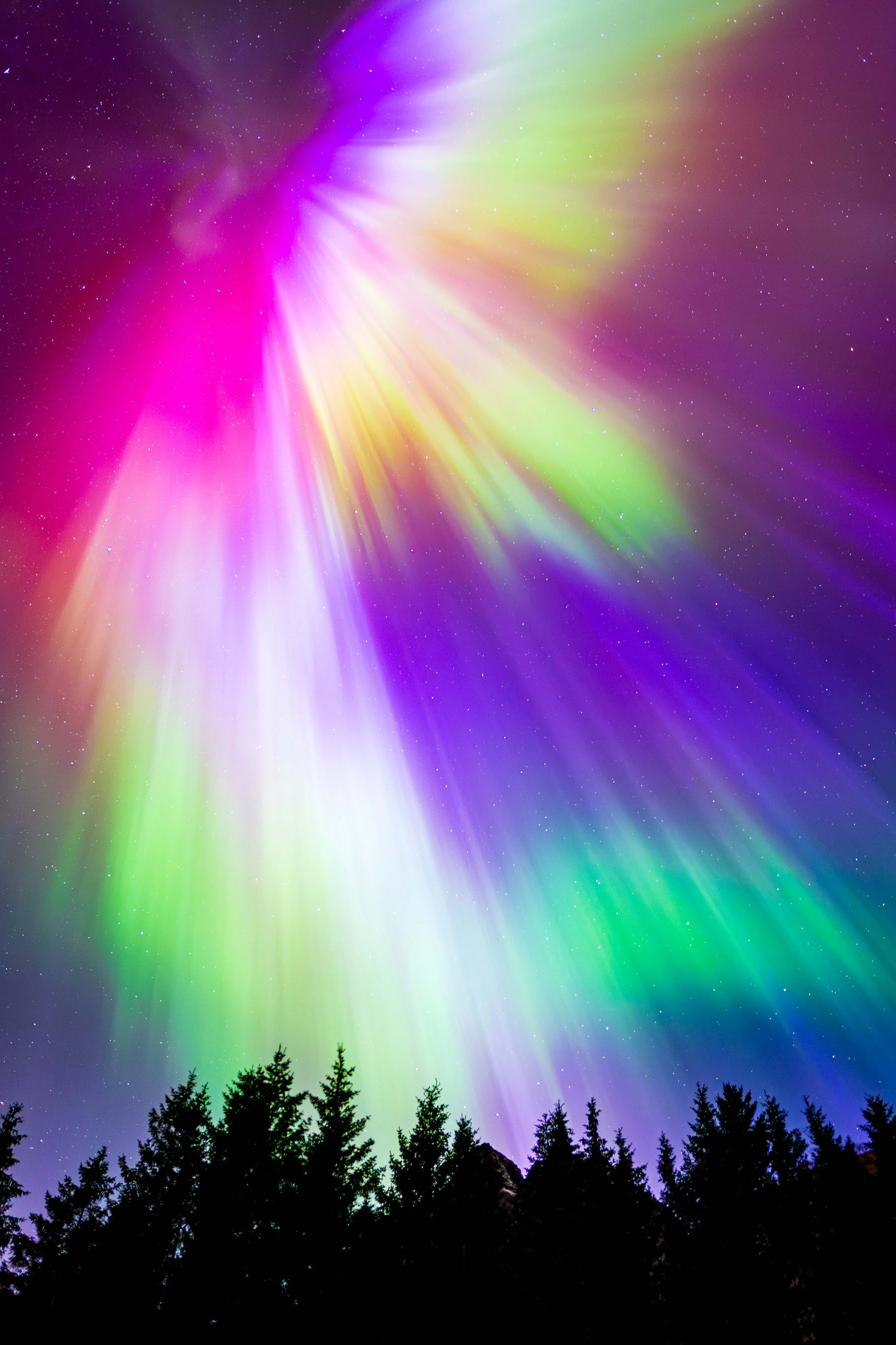
The Northern Lights season in Lofoten generally runs from late August until around the middle of April.
The Aurora itself occurs throughout the year, but during the bright Arctic summer, there's simply too much daylight to see it.
Every part of the Northern Lights season offers something different.
September and October: Autumn colours, returning darkness and relatively mild temperatures. These months are wonderful for visitors who want to combine sightseeing and photography with Aurora hunting.
November and December: Long Arctic nights, dramatic coastal weather and the beginning of the polar night period. A wonderfully atmospheric time to experience Northern Norway.
January and February: Snow-covered mountains, beautiful winter landscapes and plenty of darkness. The contrast between the Aurora and white mountain peaks can be extraordinary.
March and early April: Longer daylight hours for exploring the islands, with continued opportunities to see the Northern Lights after dark.
There isn't one universally perfect month.
The best time depends on the experience you want, the scenery you'd like to photograph and how much daylight you want for exploring.
Our favourite advice is to come when you can, spend several nights in Lofoten and let nature surprise you.
7. Why is finding clear skies more important than the Aurora forecast?
Here's something that surprises many visitors.
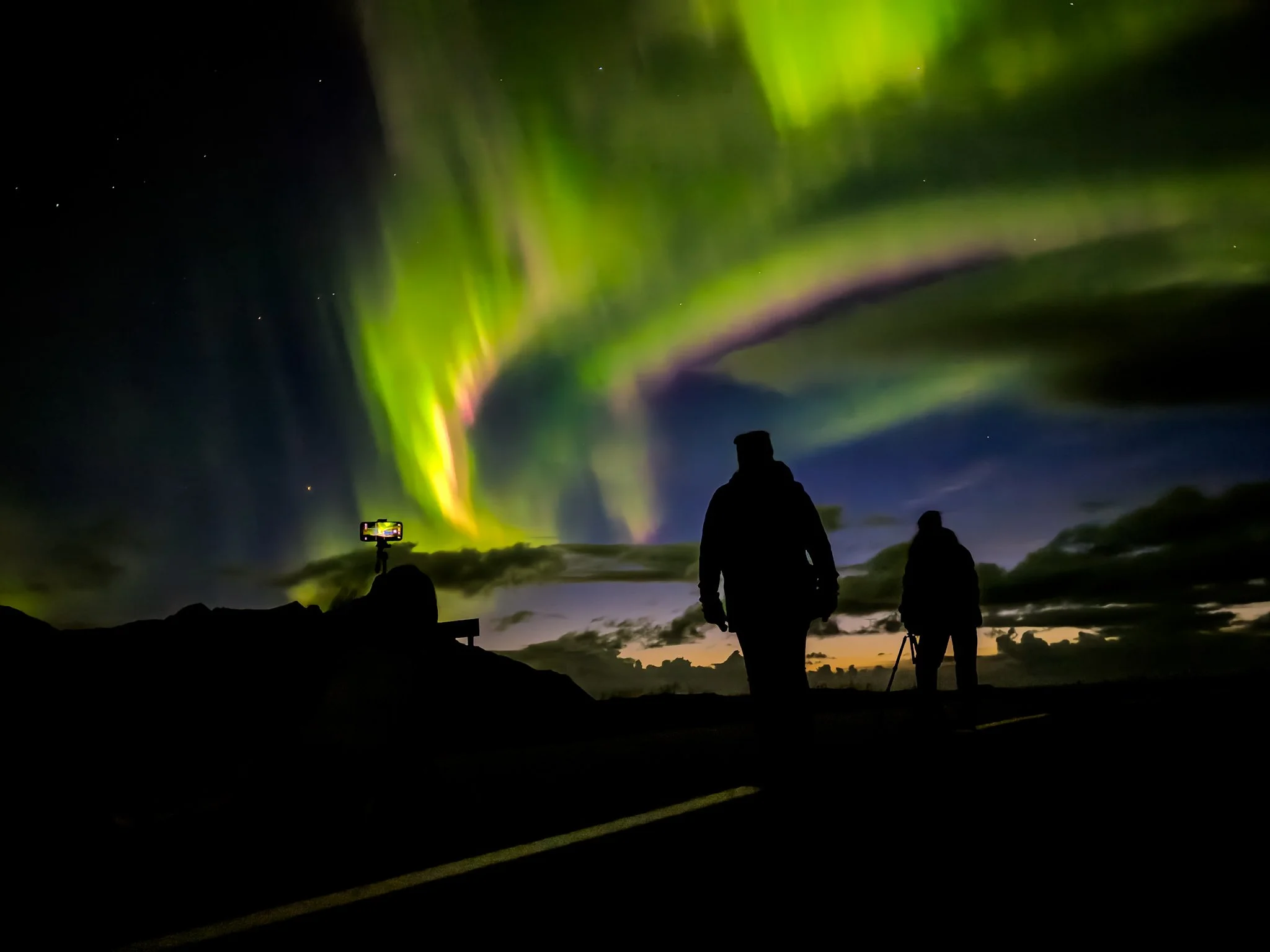
The Northern Lights might be incredibly active, but if there's thick cloud between you and the sky, you won't see them.
The Aurora occurs high above the weather, typically at altitudes of roughly 100 kilometres or more.
Clouds are much closer to the ground.
That makes cloud cover one of the most important factors in a successful Aurora hunt.
And Lofoten is a fascinating place when it comes to weather.
Our islands are surrounded by the Norwegian Sea, with mountains rising dramatically from the coastline. Those mountains, valleys and fjords can create considerable differences in cloud cover across relatively short distances.
One location might be completely overcast while another has a beautiful opening in the clouds.
That's where local knowledge becomes invaluable.
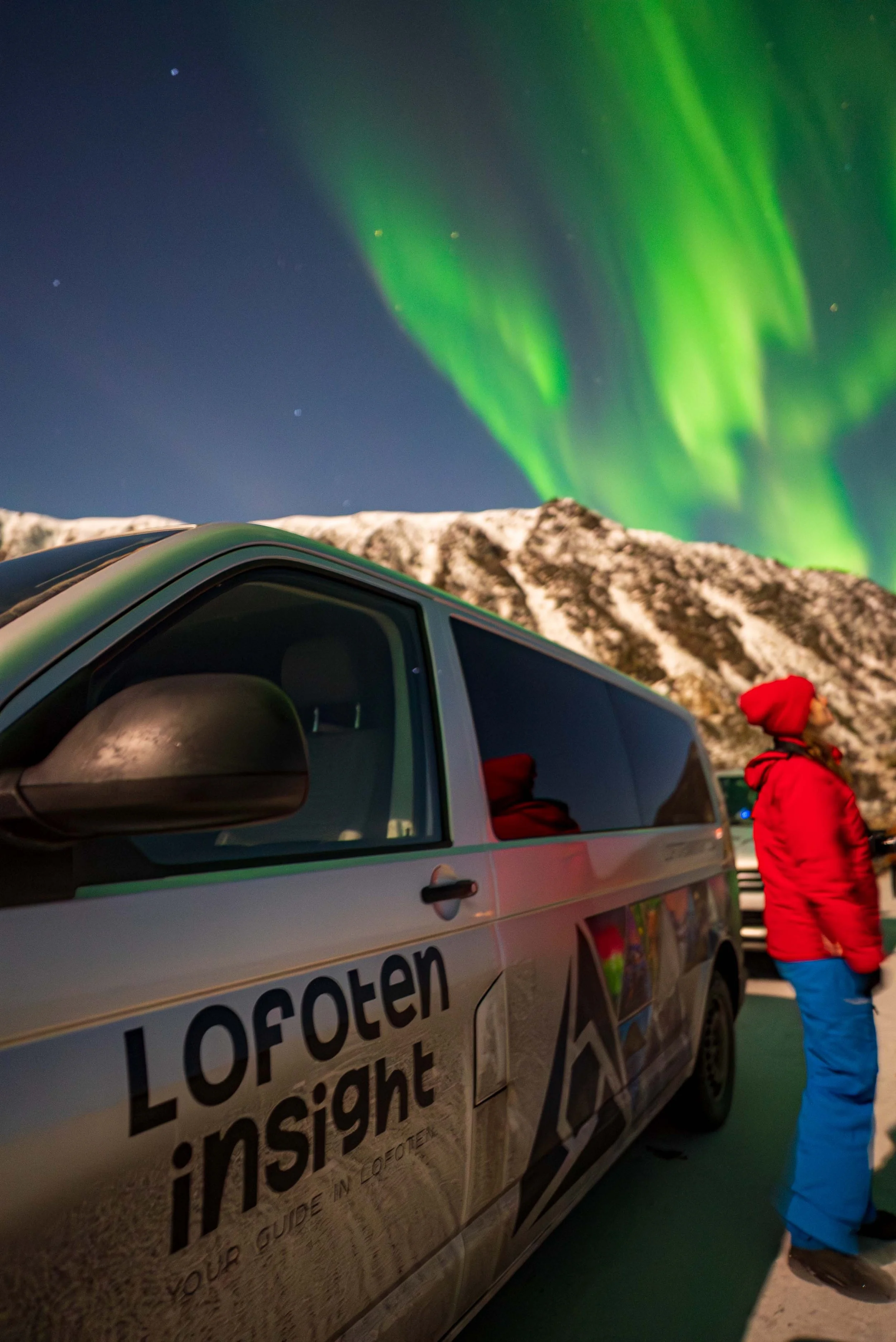
At Lofoten Insight, we don't simply look at an Aurora forecast and drive to the nearest dark car park.
Our experienced guides examine the weather, evaluate different parts of the islands and use their local knowledge to decide where the best viewing opportunities might be.
Sometimes the answer is to move.
Sometimes it's to stay exactly where we are.
Knowing the difference is one of the most important skills an Aurora guide can have.
8. Is it better to join a Northern Lights tour or search independently?
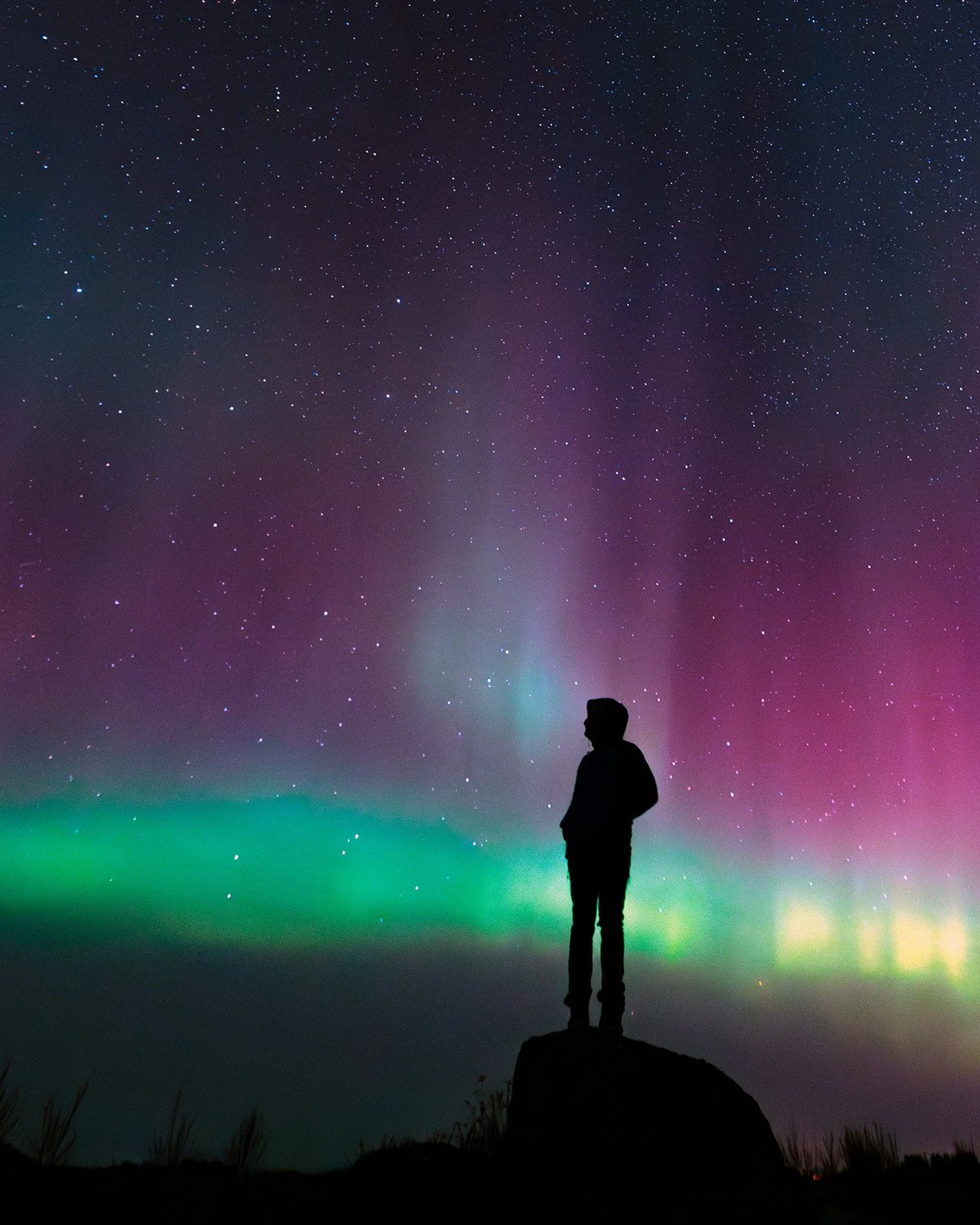
You can absolutely see the Northern Lights independently in Lofoten.
Sometimes they appear over Svolvær itself, and you can simply walk outside and look towards the sky.
But there's a big difference between seeing the Aurora by chance and making a dedicated effort to find it under challenging conditions.
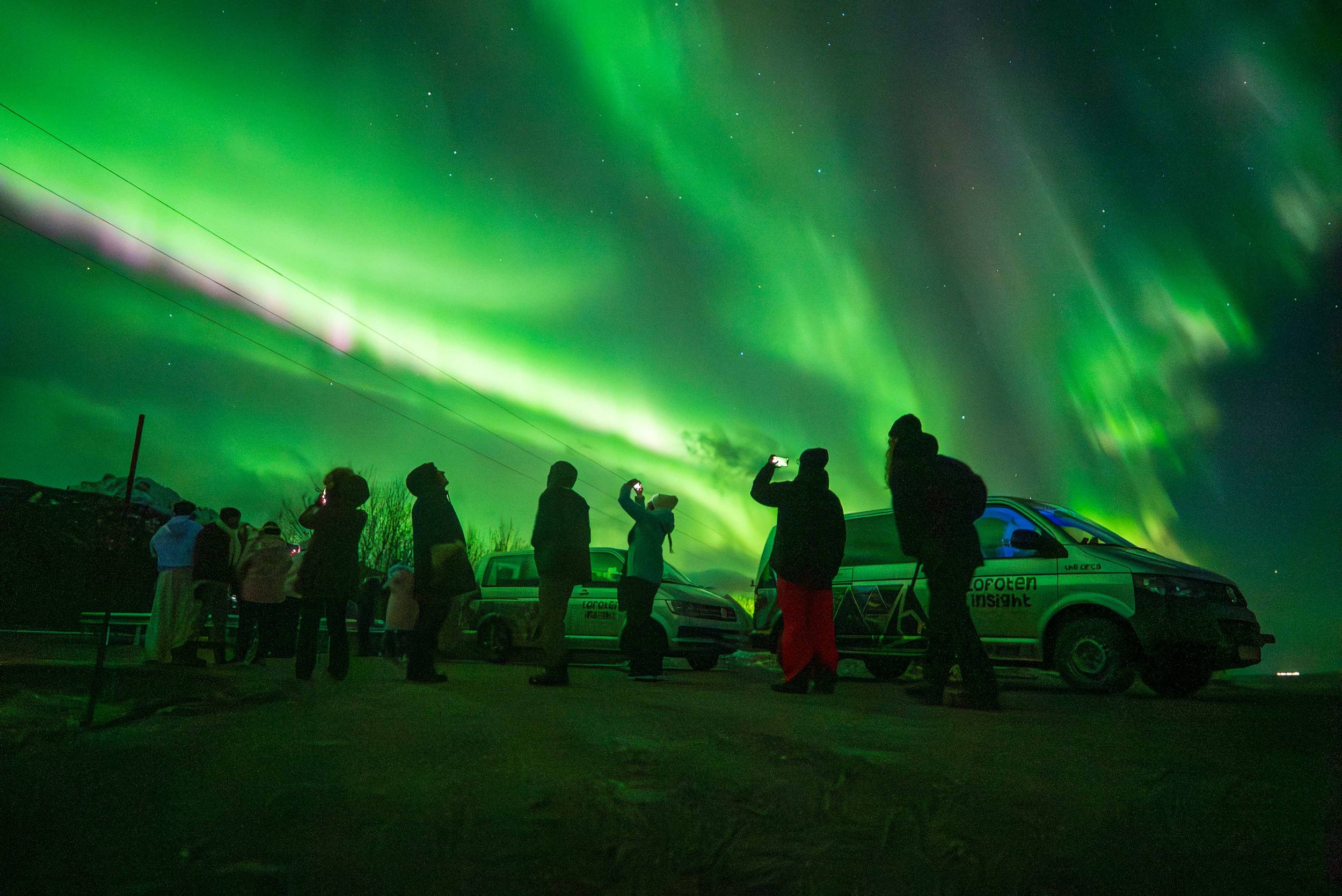
Guided Northern Lights hunts are particularly valuable when clouds are moving across the islands, when weather conditions are complicated or when you're unfamiliar with Arctic driving.
A good guide knows the local geography, understands changing conditions and can make informed decisions throughout the evening.
There's also the photography aspect.
Seeing the Northern Lights for the first time can be overwhelming, especially if you're simultaneously trying to figure out how to operate your camera in the dark.
That's where having an experienced photographer alongside you can turn a fantastic experience into an unforgettable one.

9. What makes Lofoten Insight's Ultimate Aurora Hunt different?
At Lofoten Insight, we're proud to have a team of highly experienced local guides and photographers who genuinely love sharing the Northern Lights.
Our Ultimate Aurora Hunt is built around a simple principle: give our guests the best realistic opportunity to experience the Aurora, while making the journey memorable in its own right.
We're based in Svolvær, and our team knows the islands, the roads, the changing weather and the locations that can work particularly well under different conditions.
Rather than operating a fixed sightseeing route, we approach each evening as a hunt.
Our guides combine space-weather information, local forecasts and experience to decide where to search for suitable skies.
When the Northern Lights appear, we help our guests appreciate and photograph the display.
And because photography is such an important part of Lofoten Insight, we're particularly enthusiastic about helping visitors capture their own Aurora photographs.
Whether you're using a professional camera or a smartphone, we'll help you make the most of your equipment.
We also take souvenir photographs so you can concentrate on enjoying the experience without worrying about missing the perfect picture.
Hot drinks are included, too, because even the most spectacular Aurora is easier to appreciate when you're not thinking about your frozen fingers.
We believe our combination of local knowledge, photography expertise and genuine enthusiasm makes Lofoten Insight an outstanding choice for a Northern Lights tour in Lofoten.
And we'll always be realistic about the conditions.
If there's no reasonable chance of seeing the Aurora because of the weather, we'd rather make an honest decision than take our guests out on a pointless journey.
After all, you haven't travelled to the Arctic just to spend an evening staring at clouds.
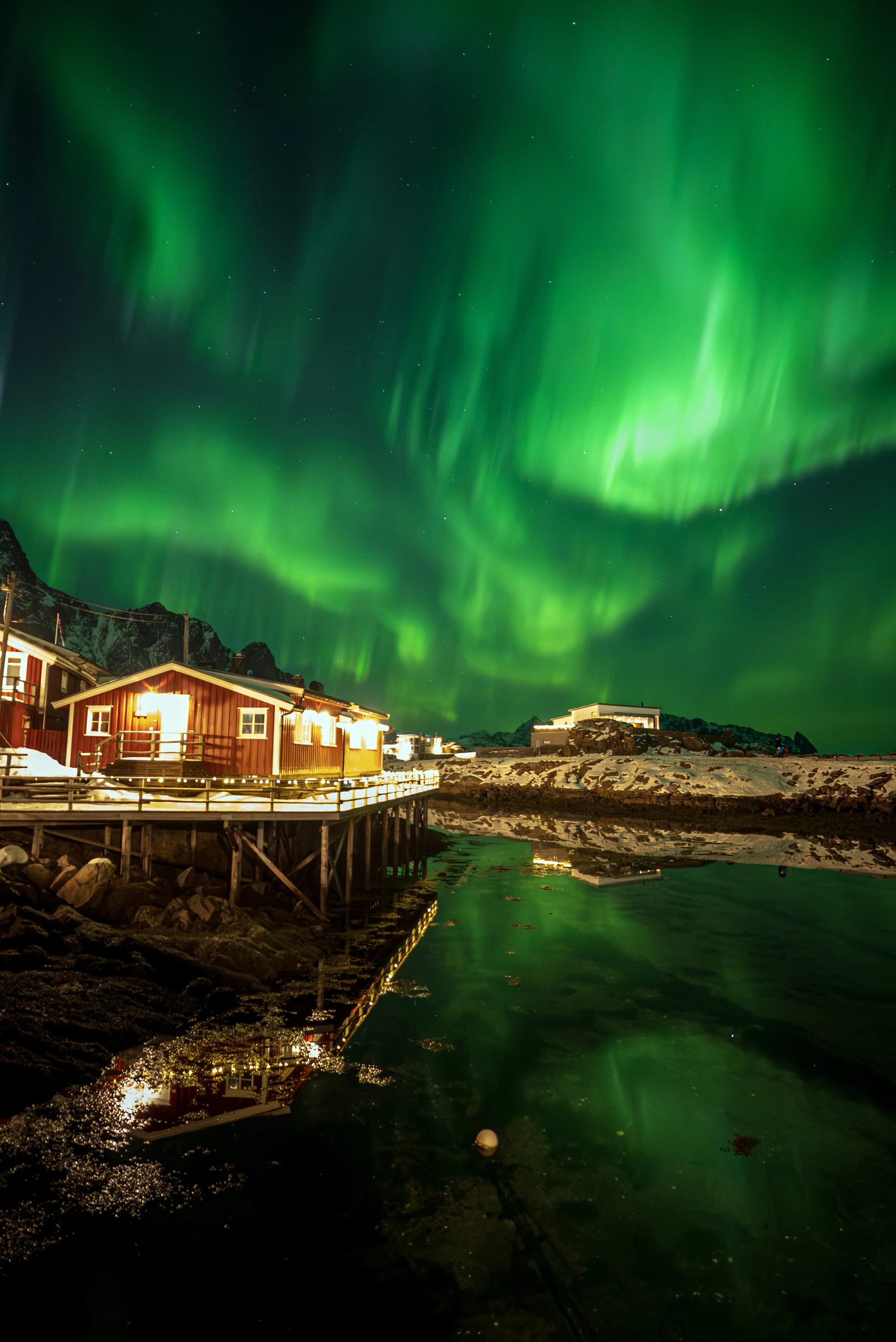
10. Can you photograph the Northern Lights with a smartphone?
Yes!
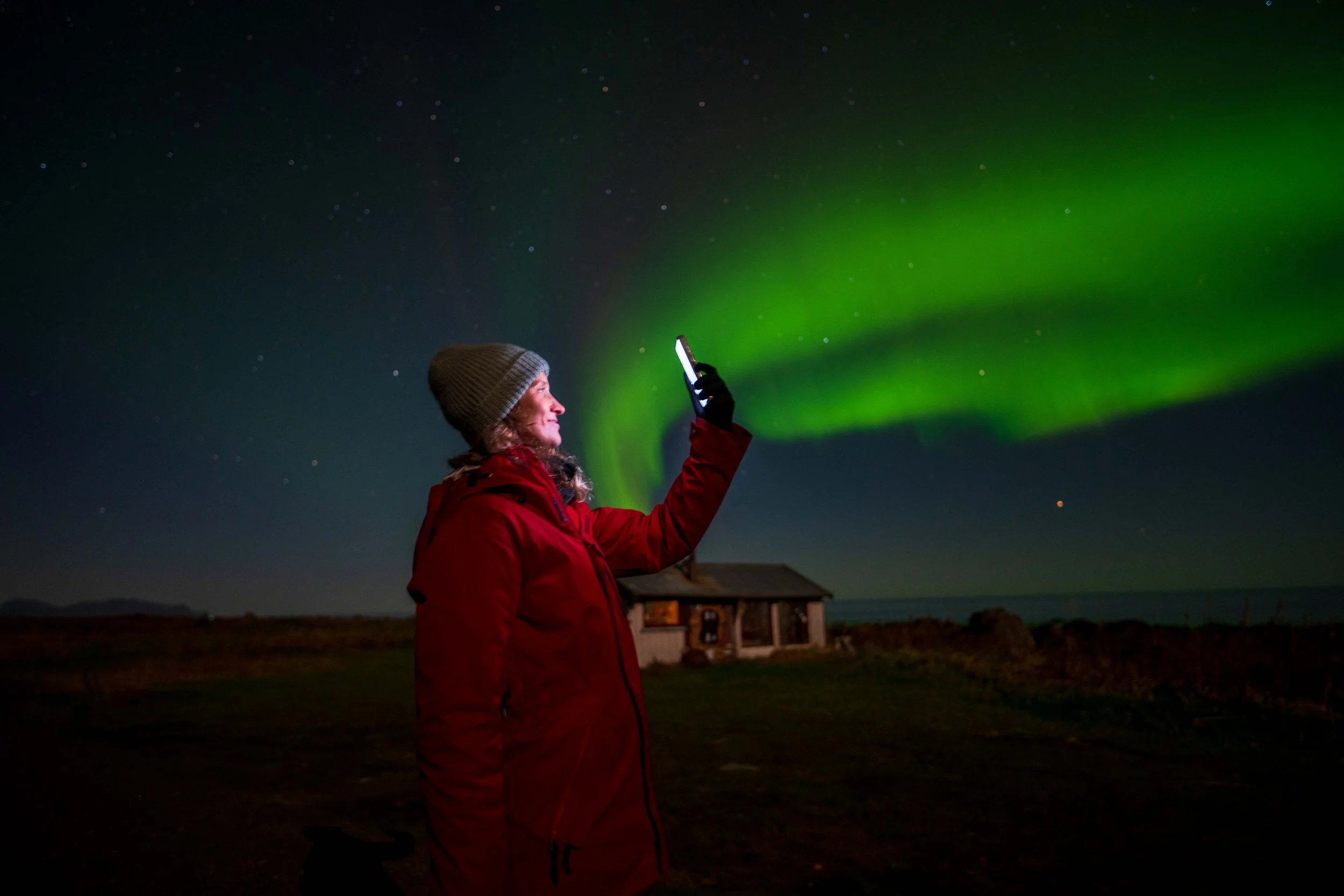
Modern smartphones have become remarkably capable of photographing the Northern Lights.
You no longer need an expensive professional camera to come home with a photograph of the Aurora.
The most important things are keeping the phone steady, choosing the appropriate low-light or night photography settings, and finding a good composition.
Of course, dedicated cameras still offer advantages, particularly when it comes to image quality, exposure control and capturing fast-moving displays.
But whether you're using a phone or a professional mirrorless camera, our guides can help you understand the basics of photographing the Northern Lights.
And there's one piece of advice we always give.
Don't spend the entire display staring at your screen.
Take a few photographs, then put the camera down and enjoy what's happening above you.
Some moments are better experienced than photographed.
And that's coming from photographers!
11. Can the Northern Lights really appear directly overhead?
Absolutely.
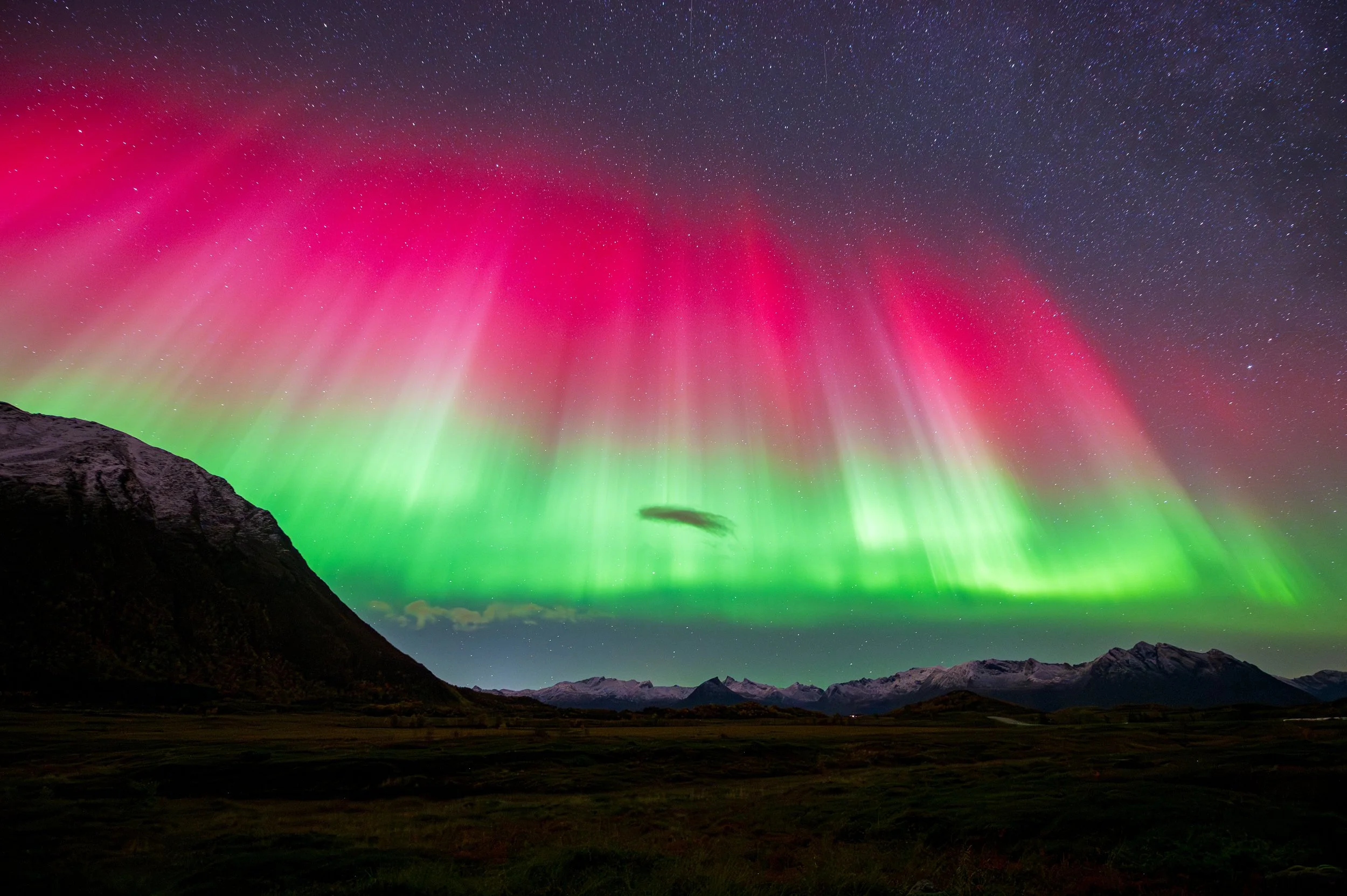
In Lofoten, the Aurora can sometimes stretch across the entire sky.
During particularly active displays, curtains of light may rise from the horizon, twist overhead and form extraordinary structures.
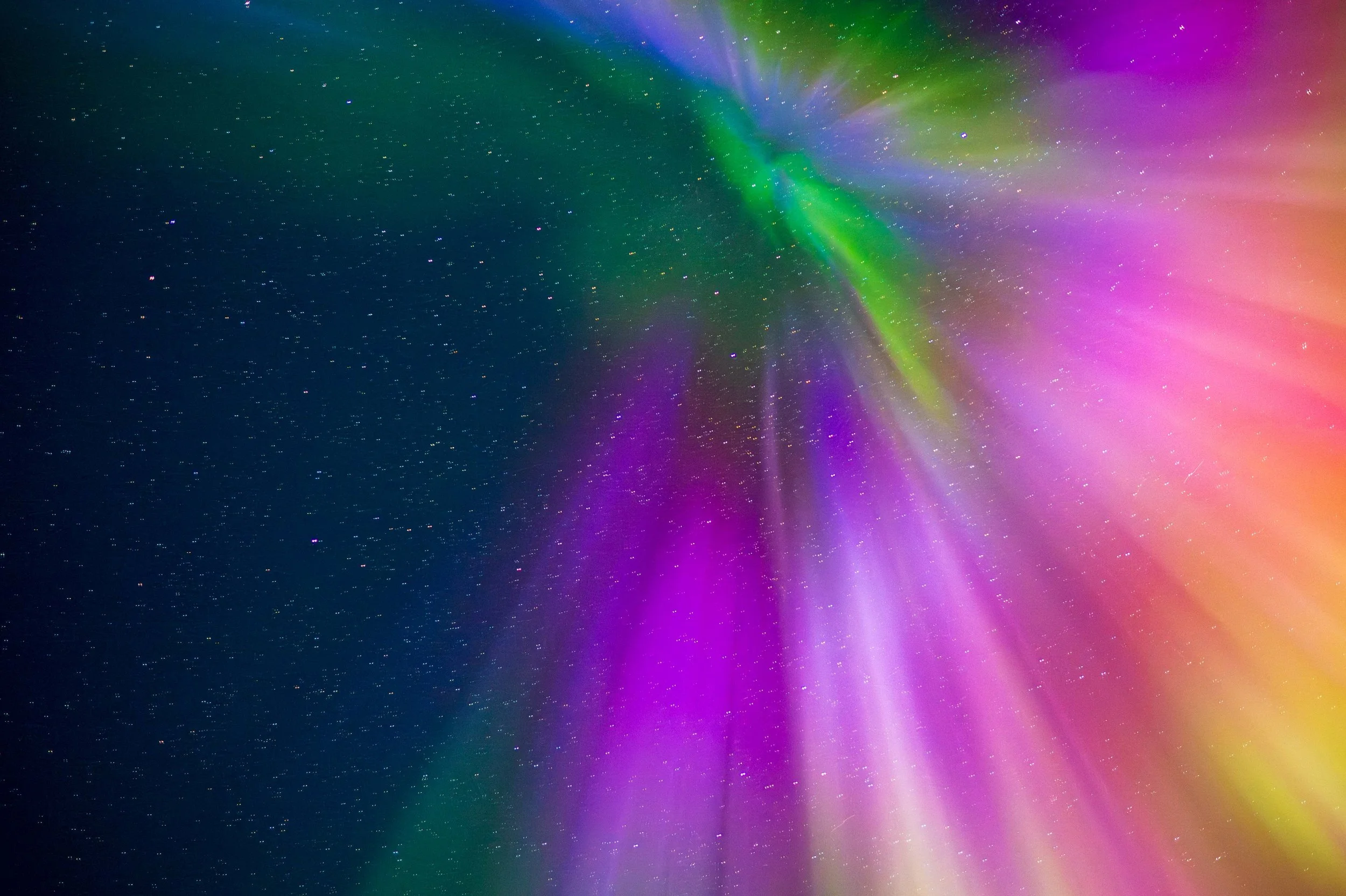
One of the most spectacular is the Aurora corona, which occurs when the light appears to radiate from a point high above the observer.
This can create the illusion of enormous rays rushing outwards across the sky.
The movement can be breathtaking.
And because each display is driven by constantly changing interactions between the solar wind and Earth's magnetic environment, no two performances are exactly alike.
It's a little like watching nature improvise.
Only with rather better special effects.
12. How many nights should you spend in Lofoten to see the Aurora?
If seeing the Northern Lights is one of the main reasons for your trip, we'd recommend spending at least three or four nights in Lofoten if your schedule allows.
A longer stay gives you more opportunities if the weather doesn't cooperate immediately.
We also recommend booking your Ultimate Aurora Hunt as early in your visit as possible.
That way, if poor weather forces us to cancel your planned experience, you may still have another opportunity during your stay, subject to availability.
Remember, the Northern Lights are a natural phenomenon and can never be guaranteed.
But sensible planning, patience and experienced guides can all help you make the most of the opportunities available.
13. Will the Northern Lights disappear after solar maximum?
No!
This is another common misconception.
The Northern Lights don't disappear when solar maximum ends.
The Sun continues producing the solar wind and occasional eruptions throughout its approximately 11-year cycle, including during quieter periods.
And because Lofoten sits beneath the auroral oval, we can continue experiencing Northern Lights even when overall solar activity is relatively low.
What changes over the solar cycle is the frequency and intensity of certain types of solar activity, particularly significant eruptions and geomagnetic storms.
Solar maximum can make headlines with dramatic displays visible at unusually low latitudes.
But here in Northern Norway, the Aurora remains part of the magic of Arctic life throughout the dark seasons, year after year.
So if you're planning a trip in 2027, 2028 or beyond, don't worry that you've missed your opportunity.
The Northern Lights aren't going anywhere.
14. What is the best way to book a Northern Lights tour in Svolvær?
Choose a tour operated by experienced local guides who understand both the Aurora and the weather conditions in Lofoten.
Look for an experience that offers flexibility, photography assistance and realistic expectations about the likelihood of seeing the Northern Lights.
Our Ultimate Aurora Hunt brings all of these elements together.
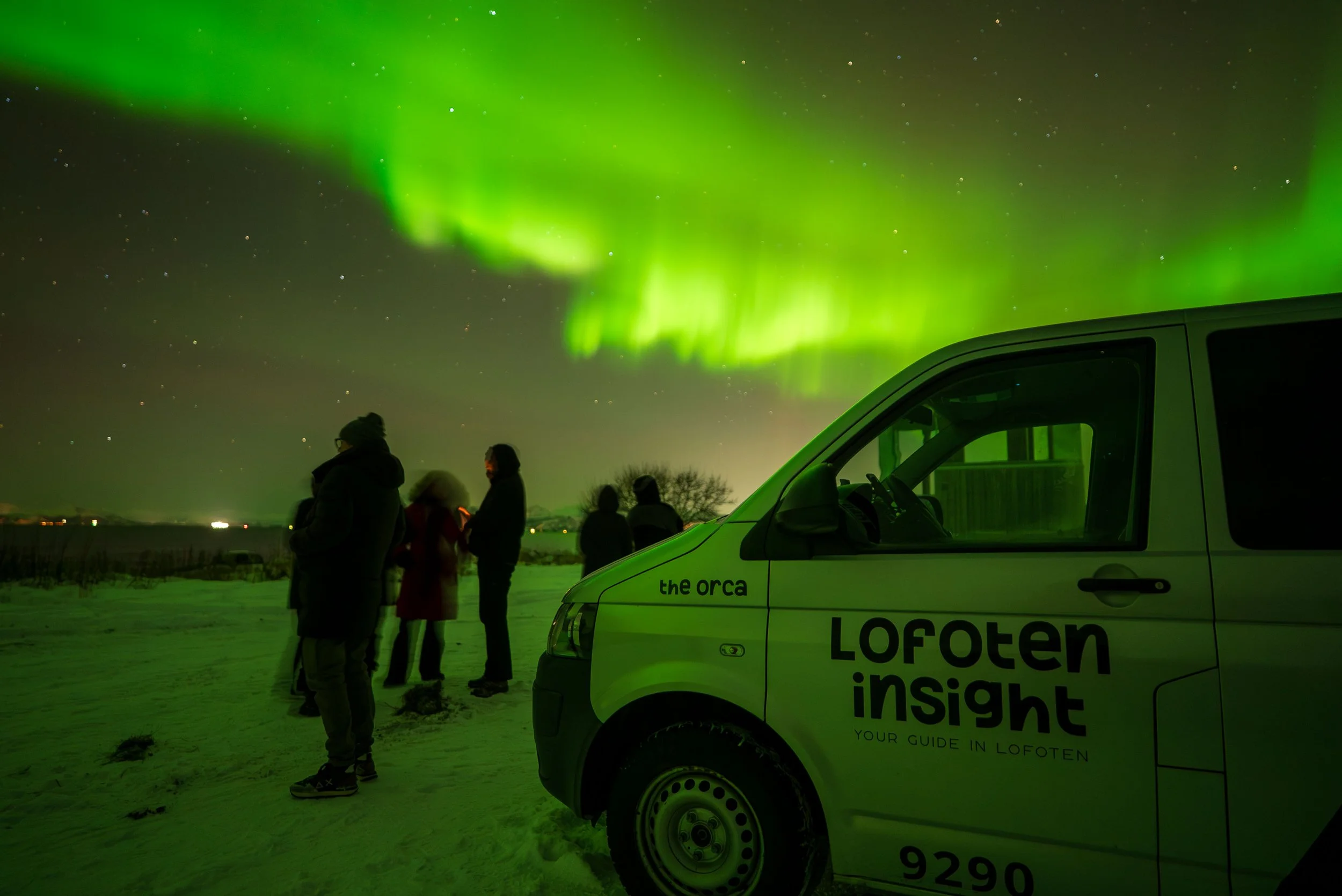
We depart from Svolvær during the Aurora season, search for the best available viewing conditions and help guests create unforgettable photographs and memories.
Whether it's your very first encounter with the Northern Lights or you've already fallen in love with them, we'd be delighted to share the experience with you.
Experience the Northern Lights with Lofoten Insight
The current solar cycle has given Aurora enthusiasts plenty to talk about, from solar maximum to remarkable geomagnetic storms like the G3 event in October 2026.
But the real magic of the Northern Lights isn't found in a forecast, a chart or an app.
It's standing beneath the Arctic sky as the first green glow appears, watching it grow into a curtain of light and realising that you're witnessing something extraordinary.
Here in Lofoten, we're fortunate to live in one of the most spectacular places on Earth to experience it.
And at Lofoten Insight, our expert guides and photographers are ready to share that experience with you.
Join our Ultimate Aurora Hunt from Svolvær and discover the Northern Lights with the people who know Lofoten.
Expert local guides. Professional photography assistance. Souvenir photographs. Hot drinks. And a genuine Aurora hunt built around the best available conditions.
Discover the Ultimate Aurora Hunt and book your Northern Lights adventure with Lofoten Insight.
Once in a lifetime, as often as you can.
Why choose a local Northern Lights guide in Lofoten?
Not all Northern Lights tours are created equal, and not every company offering tours in Lofoten is actually based here.
There's a reason our company is called Lofoten Insight.
We live and work in Lofoten. These islands are our home, not simply another destination on a tour operator's itinerary.
That local knowledge makes a real difference when hunting the Northern Lights.
Lofoten's weather can change dramatically over short distances. One valley might be covered in cloud while a nearby beach enjoys beautifully clear skies. Mountains can shelter particular locations from changing weather systems, and the best viewing spots aren't necessarily the ones that appear first on Google Maps.
Our guides understand these differences because they spend their time here, exploring the islands and studying the conditions.
They know the roads, the landscapes, the viewpoints and the locations that work particularly well for Northern Lights photography.
And importantly, they're not simply drivers.
Our team includes experienced photographers and Aurora specialists who understand the science behind the Northern Lights and can help guests capture extraordinary photographs.
When you choose Lofoten Insight, you're choosing people who know the islands and are passionate about sharing them.
For us, Lofoten isn't a destination we visit. It's home.
Is Lofoten better than Tromsø for seeing the Northern Lights?
This is one of the questions we hear most often, and our answer might surprise you.
For the combination of Northern Lights, extraordinary scenery and photography, we believe Lofoten is hard to beat.
Both Lofoten and Tromsø lie within the auroral oval, meaning both destinations are excellent places to experience the Northern Lights.
But the experience can be quite different.
Tromsø is a larger city, and some Northern Lights operators there travel considerable distances in search of clear skies, sometimes driving inland towards Finland or Sweden.
These excursions can last seven or eight hours, occasionally even longer, depending on the weather.
There's a good reason for that approach: travelling inland can provide an escape from coastal cloud cover and sometimes improves the chances of finding favourable conditions.
Lofoten offers something different.
Here, the experience takes place among some of Norway's most dramatic coastal landscapes. Towering mountains, Arctic beaches, traditional fishing villages and beautiful fjords can all provide spectacular settings for the Aurora.
Rather than spending an entire evening travelling vast distances, our aim is to use our local expertise to find the best realistic viewing opportunities within Lofoten.
And when the Northern Lights appear, the scenery can be every bit as memorable as the sky.
For anyone interested in photography, that's a huge advantage.
To be fair, Tromsø's road network provides more options for travelling inland to escape widespread cloud cover. No location is guaranteed to have better weather on any particular evening.
But if you're looking for an unforgettable Northern Lights experience surrounded by remarkable Arctic scenery, with experienced local guides who know their destination intimately, Lofoten is a fantastic choice.
And we think you'll fall in love with the islands along the way.
How long is the Ultimate Aurora Hunt compared with Northern Lights tours in Tromsø?
One of the advantages of joining Lofoten Insight's Ultimate Aurora Hunt is that you don't normally need to commit your entire evening and much of the night to travelling.
Our Ultimate Aurora Hunt is designed as a four-hour experience from Svolvær.
By comparison, many Northern Lights tours departing from Tromsø advertise durations of six, seven or eight hours, with some extended hunts lasting even longer.
For travellers spending several days exploring Northern Norway, that's an important consideration.
An eight-hour excursion can mean returning to your accommodation in the early hours of the morning, leaving you exhausted for the following day's adventures.
Our approach is different.
We use our knowledge of Lofoten's geography and weather conditions to identify promising viewing areas and make the most of the time available.
The aim isn't to drive as far as possible.
The aim is to find the Northern Lights.
And we'd much rather spend our time standing beneath a beautiful Arctic sky, helping guests photograph the Aurora, than driving unnecessarily.
Of course, nature doesn't operate according to our schedule. Particularly promising conditions may sometimes mean returning later than planned, and we're always realistic about the limitations imposed by weather.
But our regular tour is designed to offer an excellent balance between adventure, photography and a manageable evening out.
With professional photography assistance, souvenir photographs, hot drinks and knowledgeable local guides, the Ultimate Aurora Hunt offers an unforgettable experience without routinely requiring seven or eight hours on the road.
Why spend the whole night chasing the Northern Lights when you can spend more of it enjoying them?