
Visiting Svolvær, Lofoten? Your Questions Answered by Local Experts
Things to do in Svolvær, how to see the Northern Lights, getting around without a car, the best day trips, and everything you need to know before visiting Lofoten.
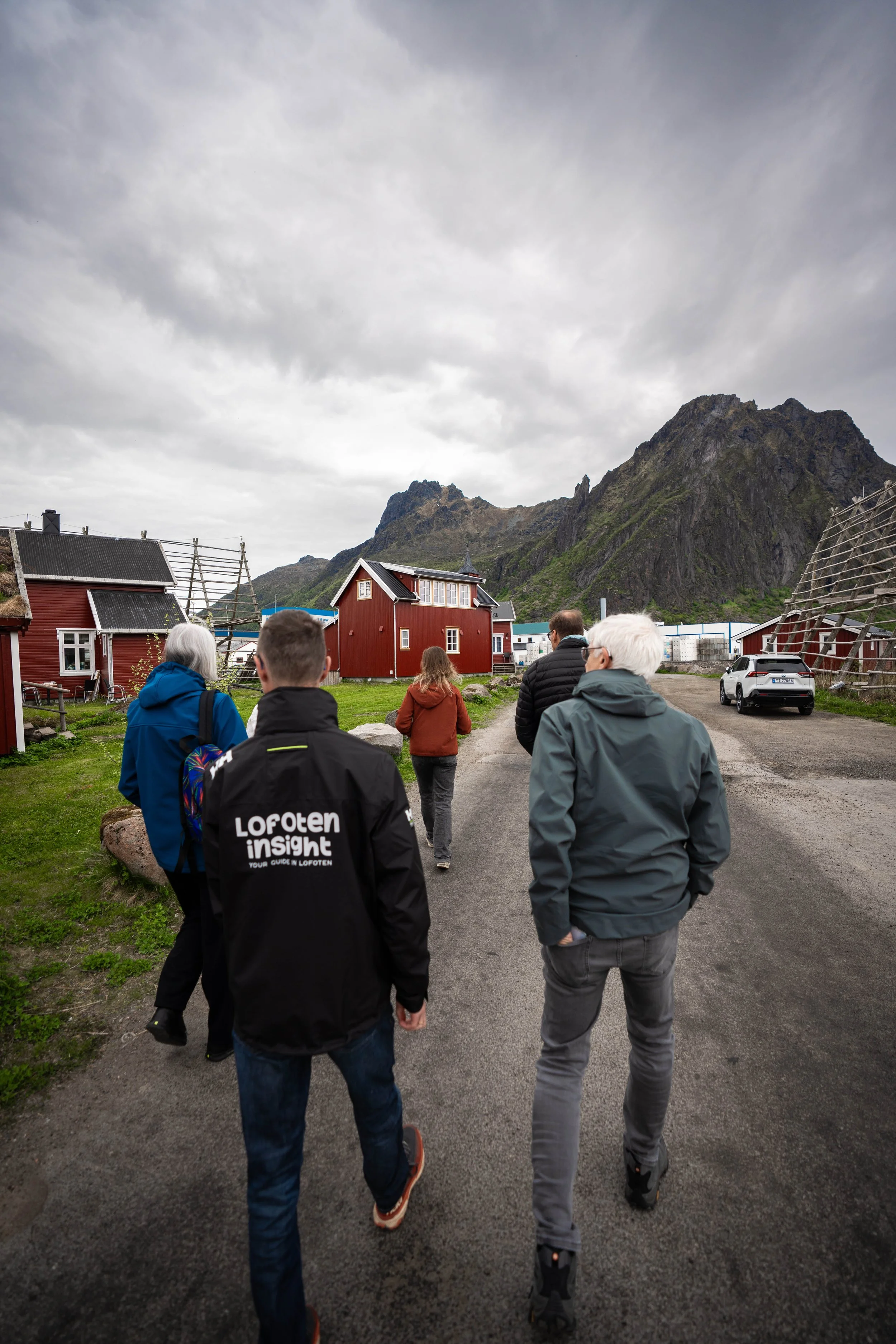
If you're planning a trip to the Lofoten Islands in Northern Norway, there's a good chance you'll find yourself in Svolvær.
And that's a very good thing.
Surrounded by spectacular mountains, colourful fishing villages and the Arctic Ocean, Svolvær is the largest town in Lofoten and one of the best places to base yourself for exploring the islands.
But visitors often arrive with plenty of questions. Do you need a car? Can you see the Northern Lights? How do you get to Reine? Is Trollfjord worth visiting? And what exactly is there to do when it rains?
We're Lofoten Insight, a locally based tour company in Svolvær, and these are some of the questions visitors ask most often. Here are our answers, together with a few local recommendations to help you make the most of your Arctic adventure.
1. What are the best things to do in Svolvær?
Svolvær is far more than somewhere to spend the night. It's a fantastic starting point for exploring Lofoten, with everything from historic fishing villages and mountain scenery to Arctic wildlife and the Northern Lights.
Some of our favourite experiences include:
Taking a scenic road trip to the famous fishing village of Reine.
Exploring the local villages of Kabelvåg and Henningsvær.
Joining a Northern Lights hunt with experienced local guides.
Visiting Trollfjord and watching sea eagles from a RIB boat.
Discovering Lofoten's fishing heritage and local culture.
Enjoying coffee, homemade cakes and an unforgettable Arctic hot chocolate.
For a comprehensive introduction, our Lofoten in a Nutshell tour combines some of the area's most beautiful places with fascinating stories about the islands and the people who live here.
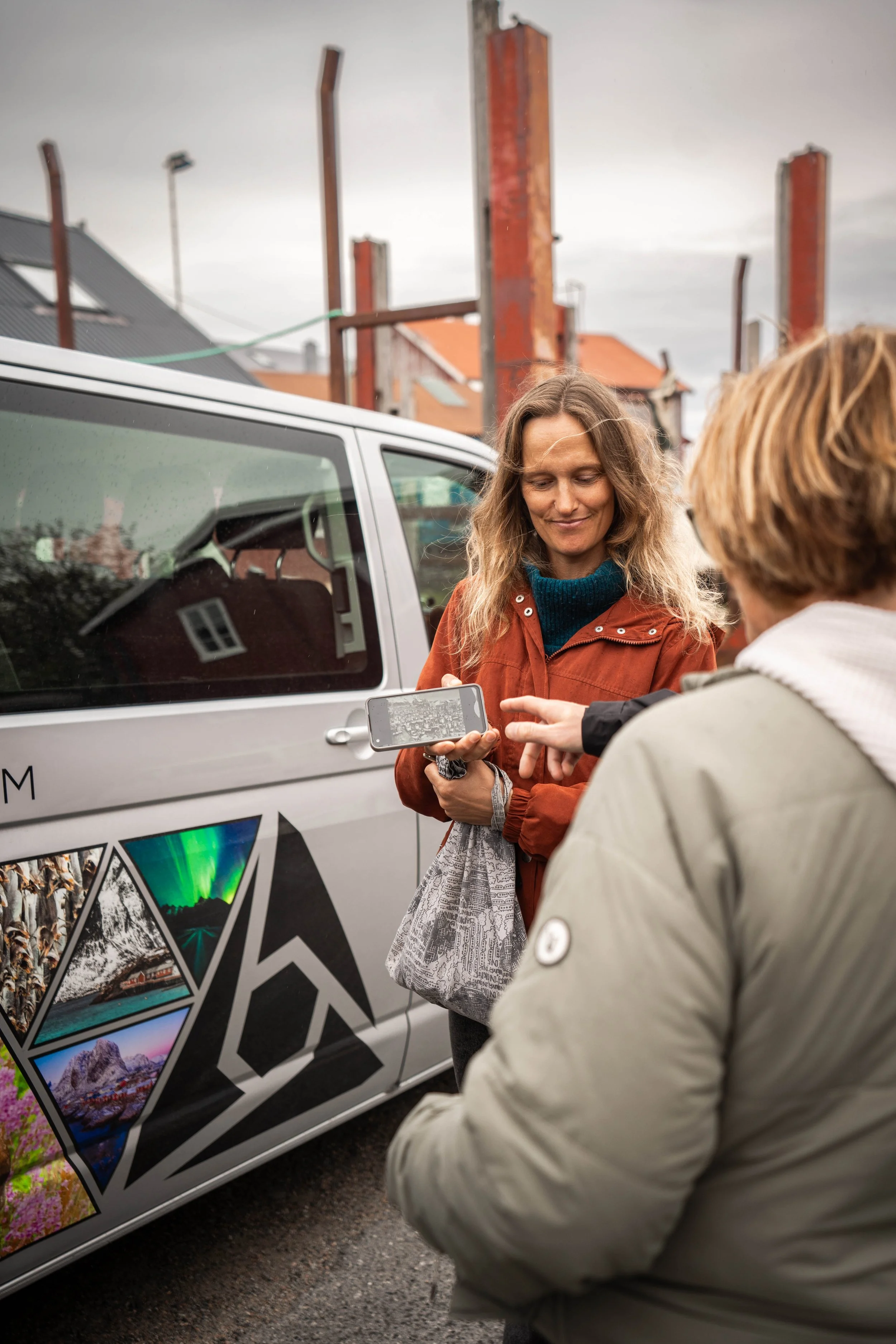
2. Is Svolvær worth visiting?
Absolutely!
While Reine and Hamnøy might feature in many of the most famous photographs of Lofoten, Svolvær is the beating heart of the islands.
It's a working Arctic town with a lively harbour, restaurants, galleries, fishing boats, shops and plenty of opportunities to explore.
Unlike some smaller fishing villages, Svolvær also has excellent transport connections, making it a convenient base throughout the year.
You can spend the morning exploring a traditional fishing village, the afternoon searching for sea eagles and the evening watching the Northern Lights dance across the sky.
Not many places can offer that combination.
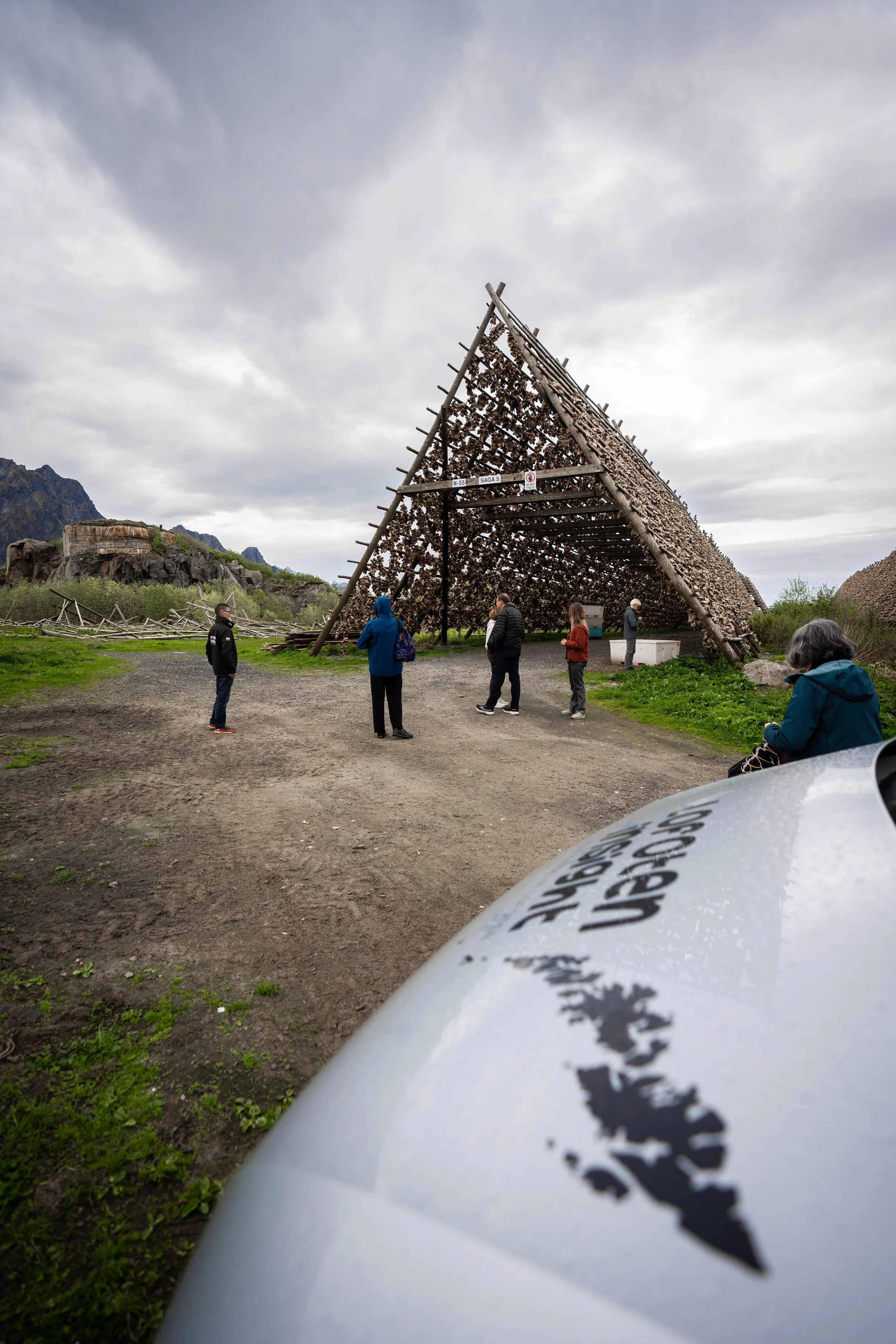
3. Can you visit Lofoten without a car?
Yes, and Svolvær is probably one of the best places to stay if you're visiting Lofoten without renting a car.
The town is accessible by plane, bus and boat, and many hotels, restaurants and attractions are within walking distance of the centre.
Public buses connect many communities across the islands, although services can be limited, particularly outside the main routes.
That's where guided tours become particularly useful.
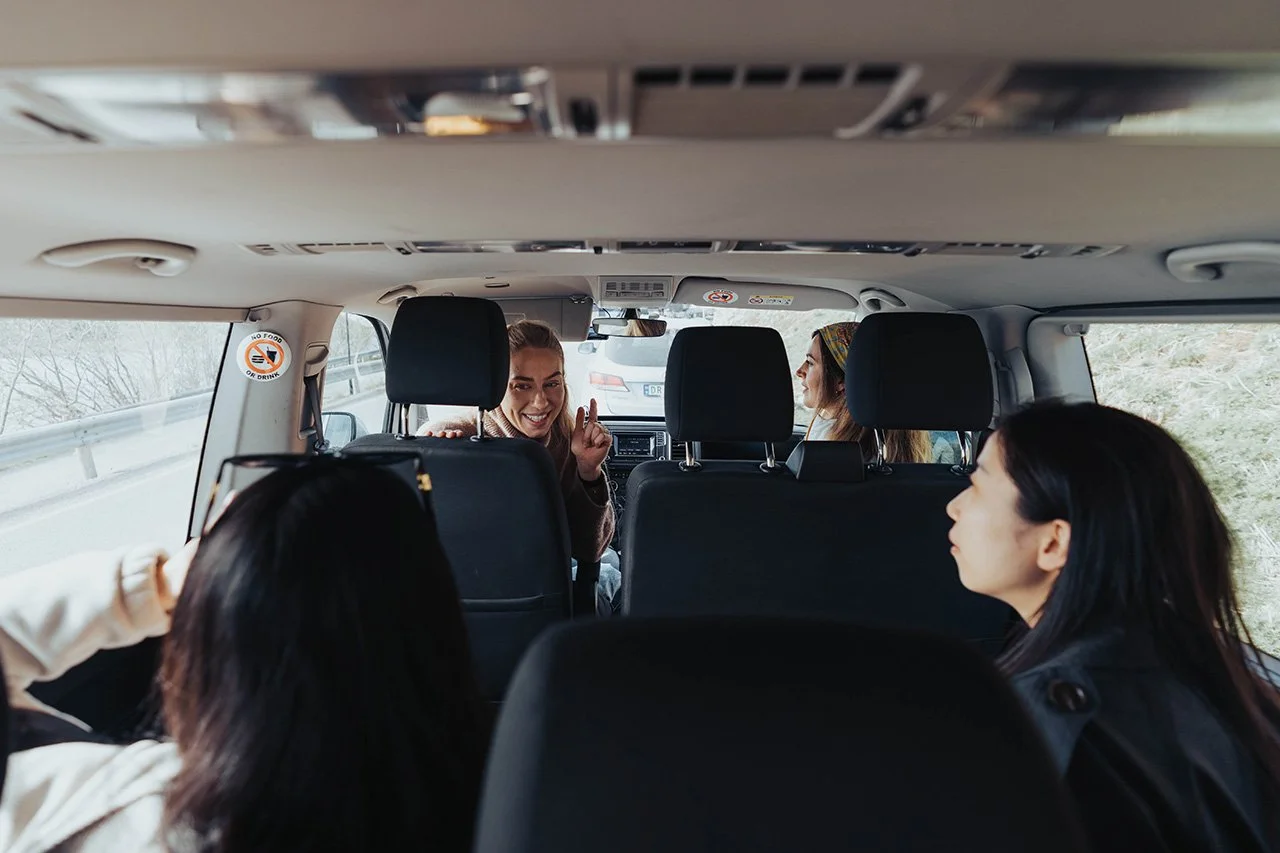
Our Road Trip to Reine takes you from Svolvær to some of the most famous landscapes in Western Lofoten without having to worry about driving, parking or finding the best viewpoints.
If you'd prefer something closer to Svolvær, Lofoten in a Nutshell is an excellent alternative.
You can enjoy the landscapes while someone else handles the logistics. Better still, our guides know where to stop for the photographs you'll want to take home.
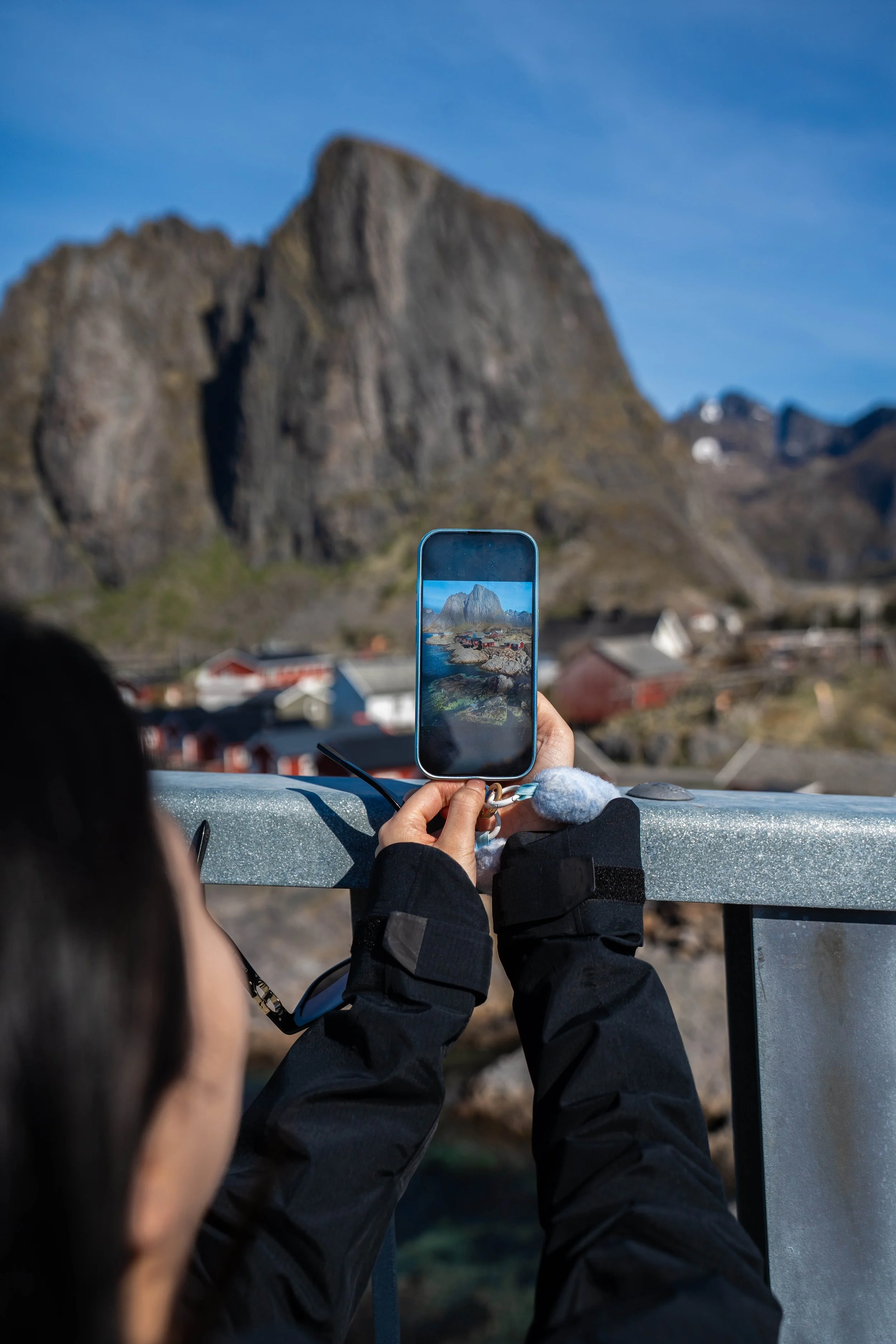
4. Can you see the Northern Lights in Svolvær?
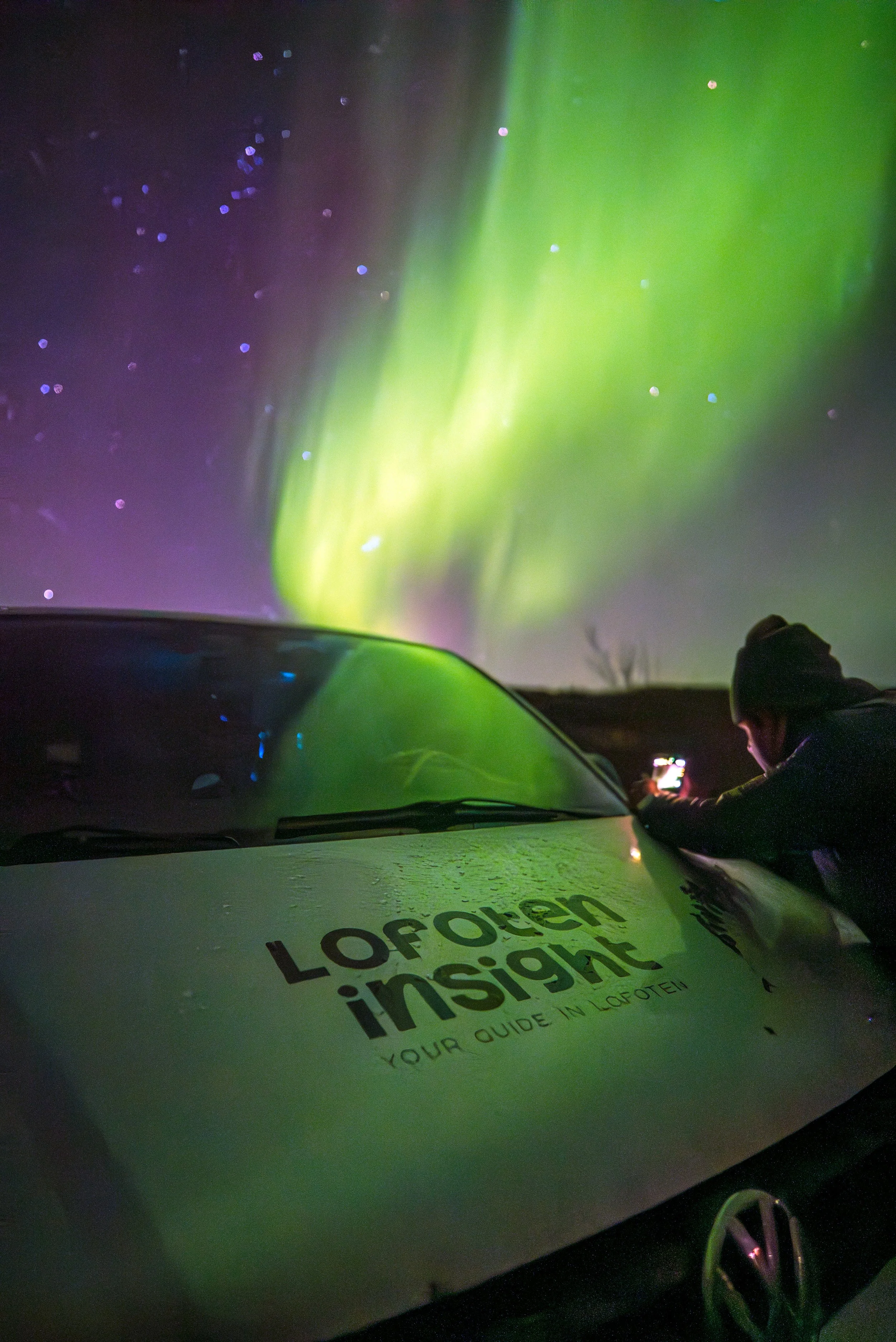
Yes! Svolvær is an excellent location for seeing the Aurora Borealis, better known as the Northern Lights.
The Northern Lights are generally visible in Lofoten from late August until around mid-April, when the skies are dark enough.
However, seeing them requires a combination of solar activity, darkness and, crucially, suitable weather conditions.
And that's where local knowledge makes an enormous difference.
It's perfectly possible for Svolvær to be cloudy while another part of Lofoten has clear skies.
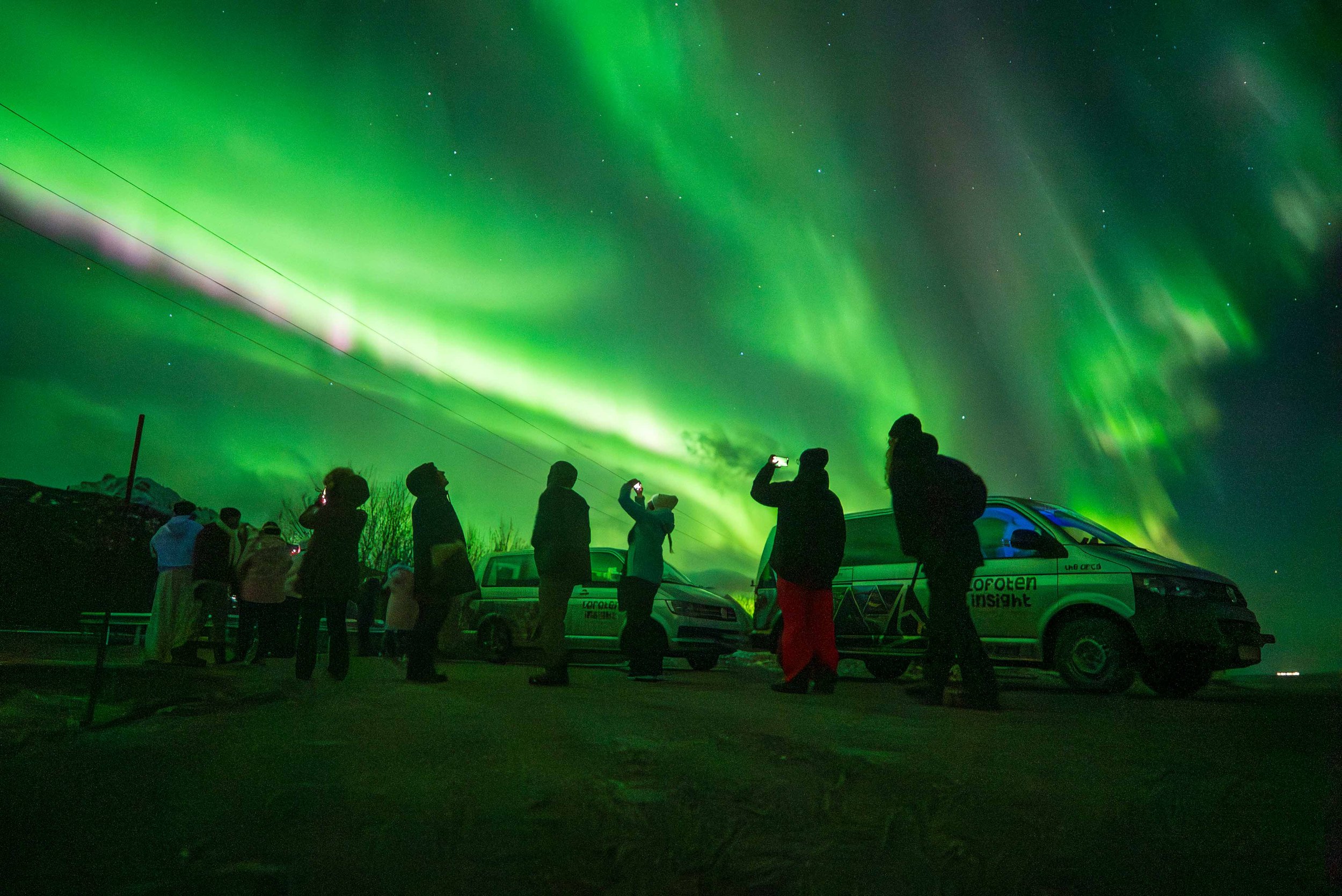
Our Ultimate Aurora Hunt is designed around finding the best available conditions rather than simply taking guests to one fixed viewing location.
We use our local experience and weather information to decide where to go, and our expert photography guides help guests capture the Northern Lights, whether they're using a professional camera or a smartphone.
Hot drinks and souvenir photographs are included, too.
Local tip: Book your Northern Lights experience early in your stay. That gives you more opportunities if poor weather prevents your first planned tour from operating.
5. What is the best time of year to visit Svolvær?
That depends on what you want to experience.
Winter (December to March): Snow-covered mountains, atmospheric Arctic light, Northern Lights and traditional fishing culture. December and early January bring the polar night period, when the sun stays below the horizon.
Spring (April to May): Returning daylight, snow on the mountain peaks, quieter roads and incredible contrasts between winter and spring.
Summer (June to August): The Midnight Sun, long hiking days, boat trips, beaches and almost endless daylight. It's also the busiest tourist season.
Autumn (September to November): Beautiful changing colours, fewer visitors than peak summer, dramatic weather and the return of the Northern Lights.
Our personal favourite? Every season has something special.
That's one of the reasons we live here!
6. Can you visit Reine from Svolvær in one day?
Yes, and it's one of the best day trips you can take in Lofoten.
Reine is approximately two hours from Svolvær by car in favourable conditions, although you'll want considerably longer once you include sightseeing and photography stops.
The road west is an experience in itself.
You'll pass towering mountains, sweeping beaches, turquoise water and some of the most iconic fishing villages in Norway.
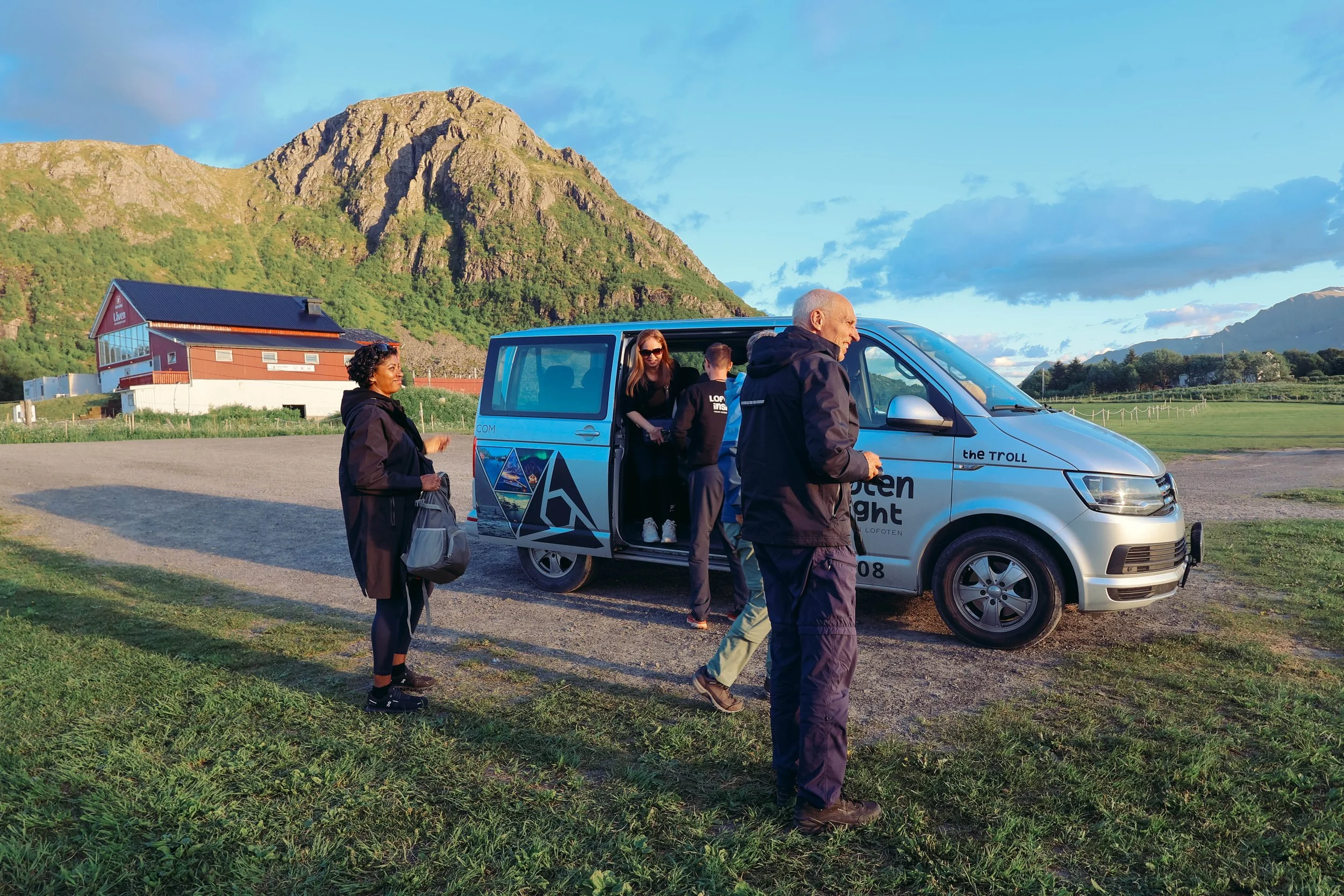
Our seven-hour Road Trip to Reine is designed to make the most of this incredible journey.
Along the way, you'll discover places such as Flakstad, Ramberg, Hamnøy, Sakrisøy and Reine, with opportunities to photograph and explore.
It's an ideal choice for visitors who want to experience the famous landscapes of Western Lofoten without hiring a car.
And because we know the route intimately, we're able to adapt photography stops to the conditions on the day.
7. What can I see near Svolvær without travelling all the way to Reine?
Plenty!
Some of our favourite places are surprisingly close to Svolvær.
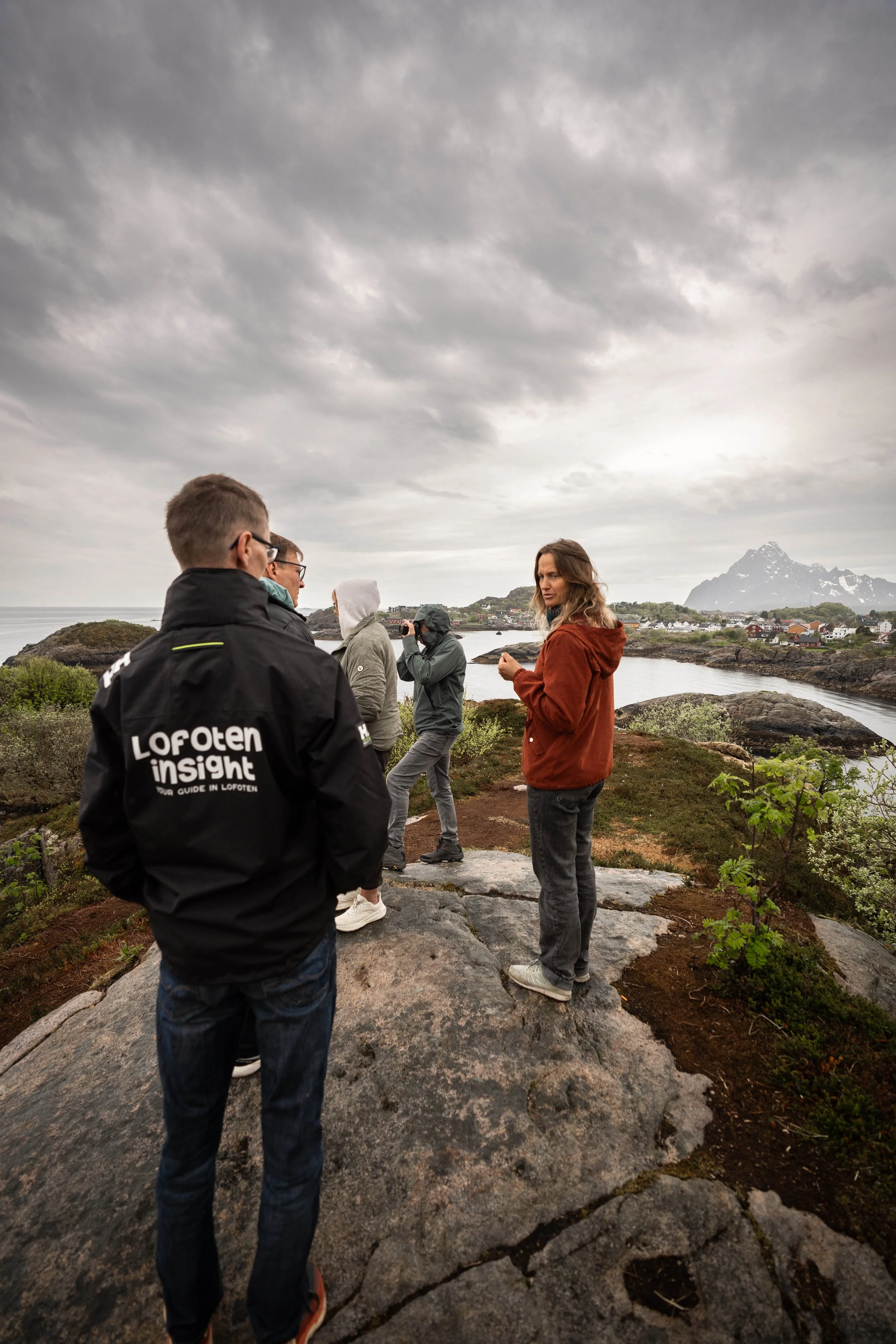
Svinøya is a historic fishing village connected to the town, with traditional fishermen's cabins and fantastic views.
Kabelvåg offers a fascinating look at Lofoten's history, with connections to centuries of fishing, commerce and coastal life.
Henningsvær is one of the most beautiful fishing villages in Northern Norway, with narrow streets, galleries and traditional buildings surrounded by sea and mountains.
Gimsøya offers a completely different landscape, with open coastal scenery, beaches and magnificent mountain views.
Our five-hour Lofoten in a Nutshell experience connects these places and shares the stories behind the scenery.
It's one of the best ways to understand what makes Lofoten special, rather than simply visiting the most photographed locations.
8. Is Trollfjord worth visiting?
Definitely.
Trollfjord is one of the most dramatic fjords in Northern Norway, surrounded by steep mountains rising almost straight out of the water.
The journey there is every bit as impressive as the destination itself.
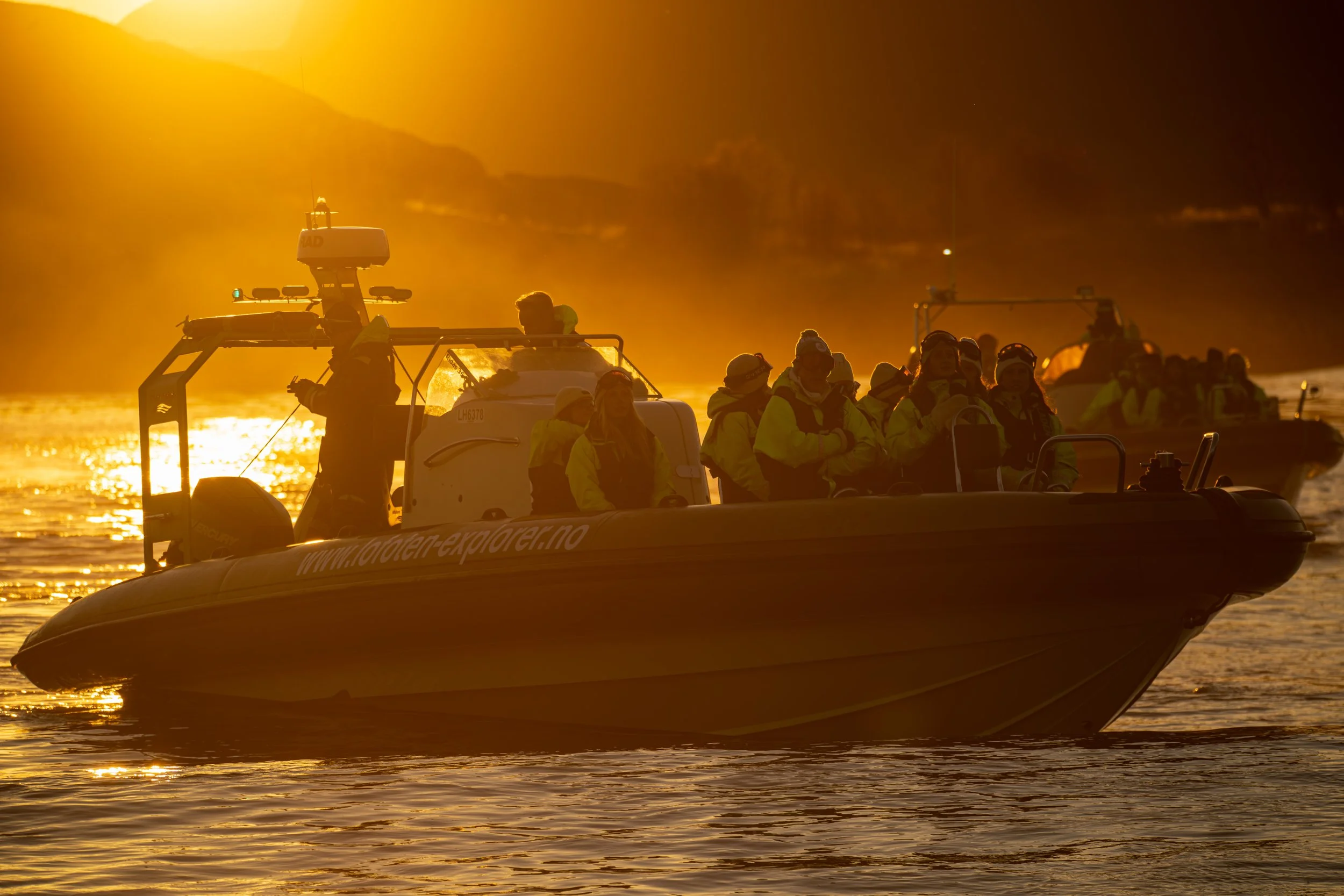
For visitors who want to experience the coastline from the sea, we recommend Lofoten Explorer and its Trollfjord and Sea Eagle RIB Safari.
Departing from Svolvær harbour, this approximately two-hour adventure combines spectacular coastal scenery with the chance to see magnificent white-tailed sea eagles.
Travelling by RIB also brings you wonderfully close to the landscape, giving you a completely different perspective from sightseeing by road.
It's one of our favourite recommendations for visitors who want a little Arctic adventure during their stay.
You can find the experience through Lofoten Explorer.
9. Where can I see sea eagles in Lofoten?
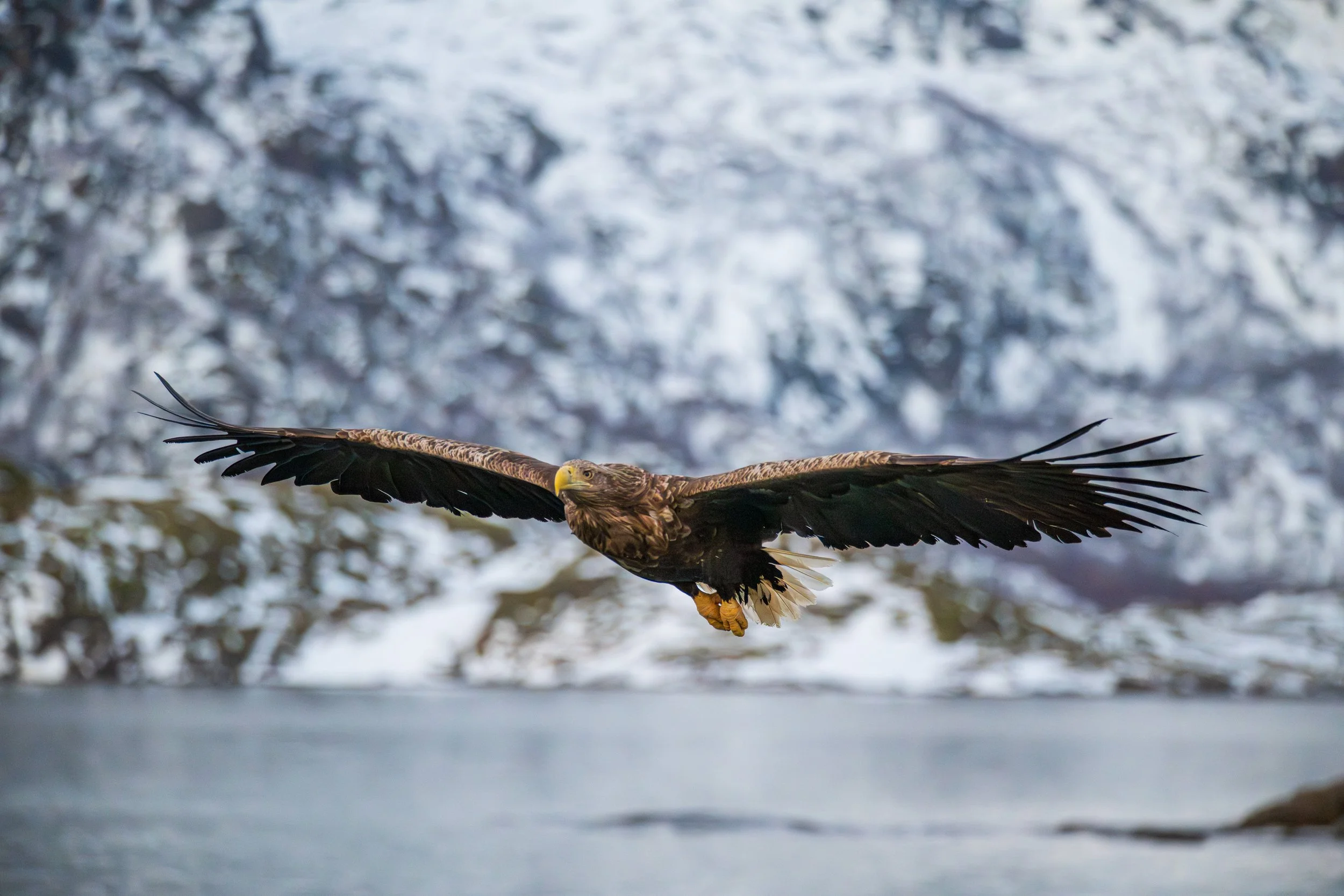
Lofoten is home to white-tailed sea eagles, among Europe's largest birds of prey.
Their enormous wingspan and impressive appearance make them a favourite with photographers and nature lovers.
Although you might spot them around the coastline, a boat trip offers a particularly memorable opportunity.
Lofoten Explorer's Trollfjord and Sea Eagle RIB Safari is an excellent option from Svolvær, combining the possibility of eagle encounters with an unforgettable journey through the islands' spectacular marine environment.
Remember, these are wild birds, so sightings and behaviour can never be guaranteed.
10. What can I do in Svolvær when it rains?
First, don't let a little rain ruin your day.
Lofoten's weather is famously changeable, and some of our most dramatic landscapes look incredible under dark clouds.
If you're prepared with waterproof clothing, guided sightseeing can still be an excellent choice.
You can explore fishing villages, take atmospheric photographs, discover the area's history and enjoy the constantly changing scenery.
Of course, there are also times when it's worth heading indoors.
One of our favourite places is KOS Lofoten Café, located inside Galleri Gunnar Berg at Svinøya.
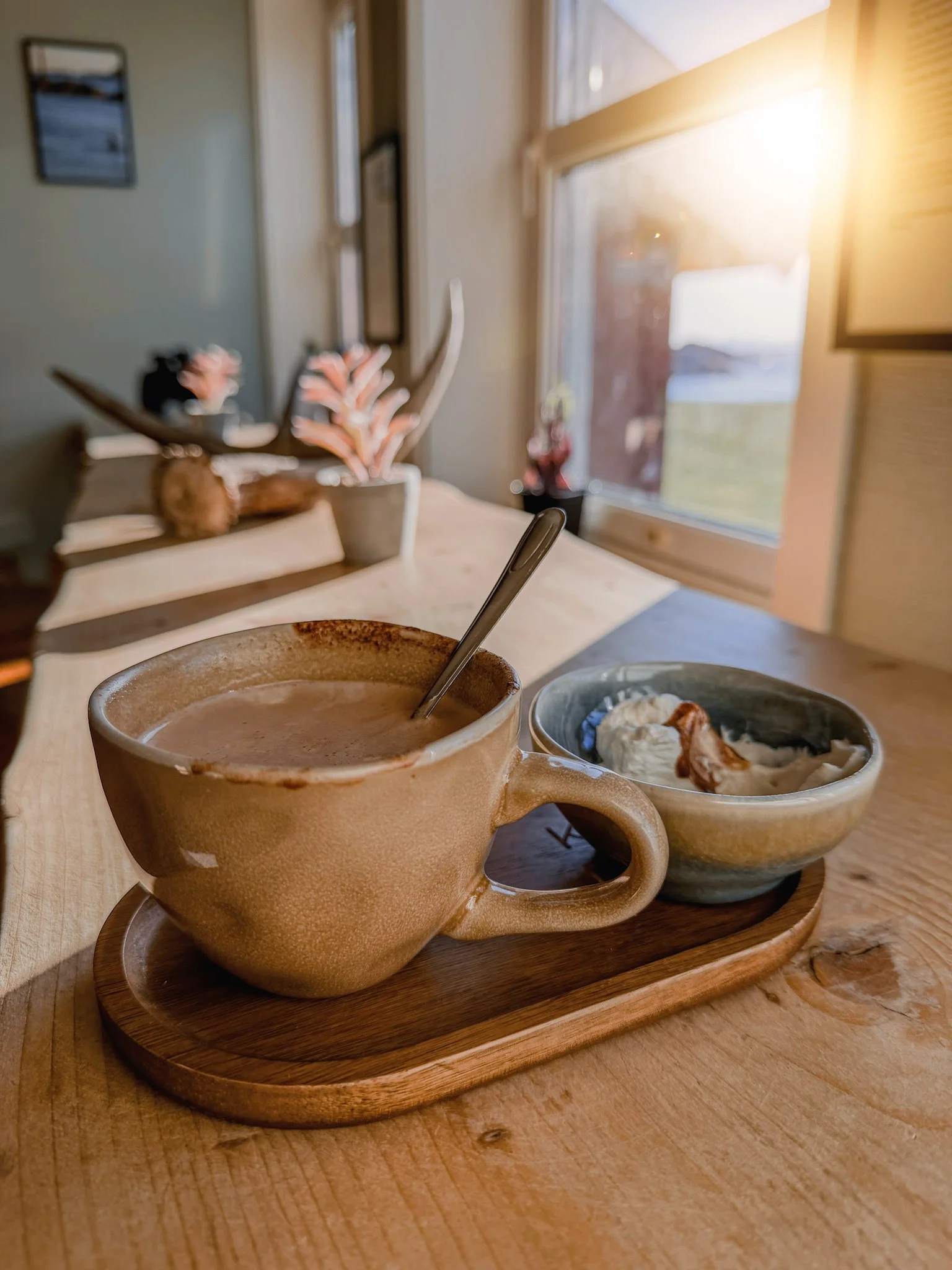
It's a cosy place to escape the Arctic weather, enjoy coffee and homemade treats, and warm up with what we proudly call the best hot chocolate in the Arctic.
Rich, indulgent and made for those moments when the wind is blowing outside and you just want to settle in somewhere warm.
It's the sort of hot chocolate that makes you consider ordering another before you've finished the first.
And while you're there, take the opportunity to explore the gallery and discover more of Lofoten's artistic heritage.

11. Where can I get the best hot chocolate in Svolvær?
We're going to be a little biased here.
At KOS Lofoten Café in Svinøya, we've created what we believe is the best hot chocolate in the Arctic.
And we don't say that lightly.
This isn't your average cup of instant cocoa. It's a proper indulgence, designed to be rich, chocolatey and absolutely worth stopping for.
Whether you're returning from an Arctic adventure, exploring the historic fishing village of Svinøya or simply looking for somewhere to relax, KOS is a wonderful place to warm up.
You'll also find great coffee, homemade cinnamon buns, cakes and other treats.
After all, exploring Lofoten is hungry work!
12. How many days should I spend in Svolvær?
We recommend at least three days if you want to experience a good selection of what the area has to offer.
With three days, you could enjoy a guided introduction to Lofoten, travel west to Reine and explore the coastline by boat.
During Northern Lights season, you can also plan an evening Aurora hunt.
Four or five days gives you more flexibility, particularly if you're travelling during the winter when weather conditions may affect outdoor activities.
The biggest mistake is trying to see everything in one day.
Lofoten is a place worth taking your time over.
13. Can I see the Midnight Sun in Svolvær?
Yes!
During the summer, the sun remains above the horizon for several weeks around the summer solstice.
This means you can enjoy spectacular landscapes and beautiful light late into the evening and through the night.
One of the great pleasures of summer in Lofoten is being outdoors when you would normally expect darkness.
There's something extraordinary about looking at your watch, realising it's midnight and discovering that the sun is still shining.
Bring your camera. You'll want it.
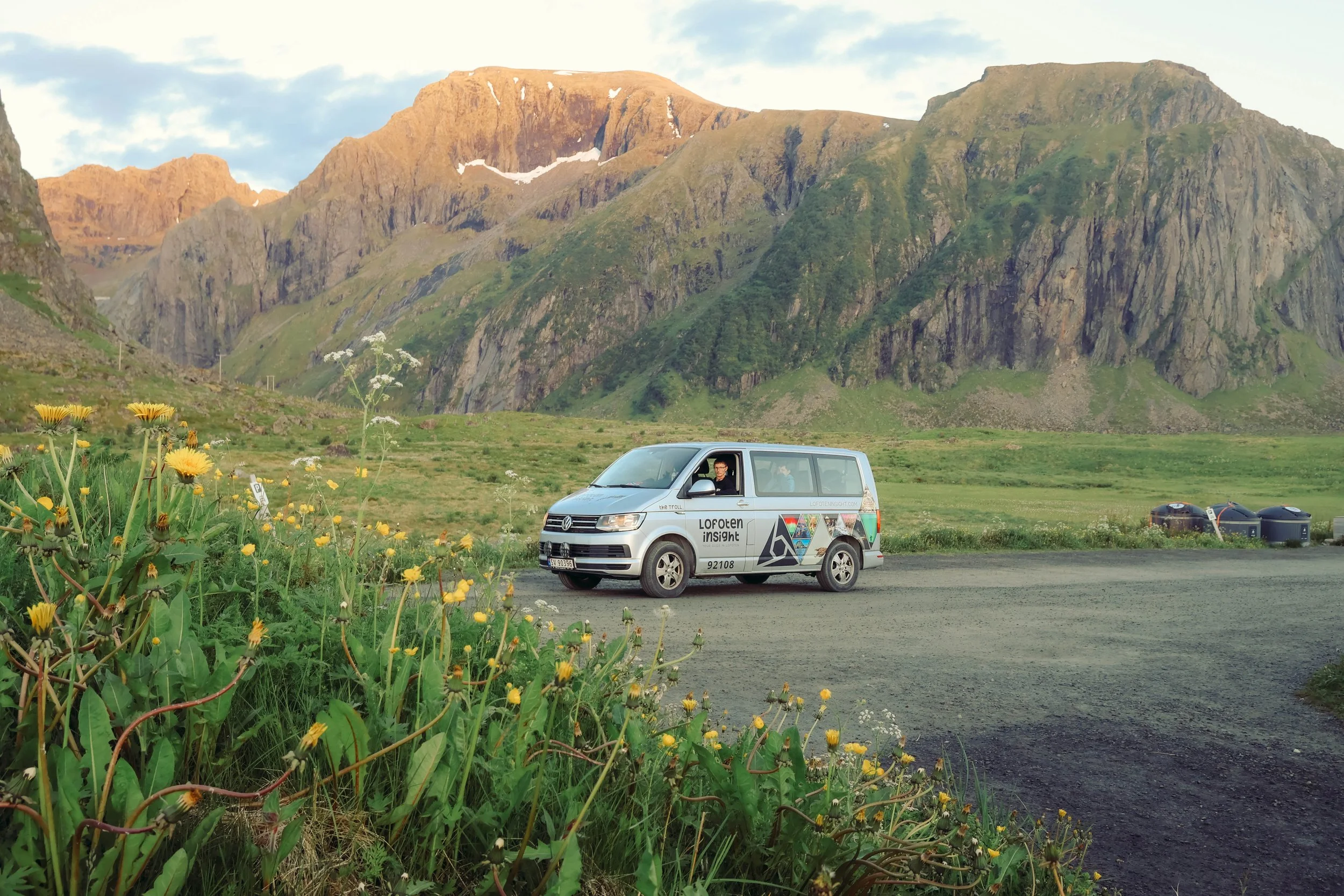
14. Are there good photography opportunities in Svolvær?
Absolutely! In fact, some of Svolvær's best photography opportunities are just a short walk from the town centre.
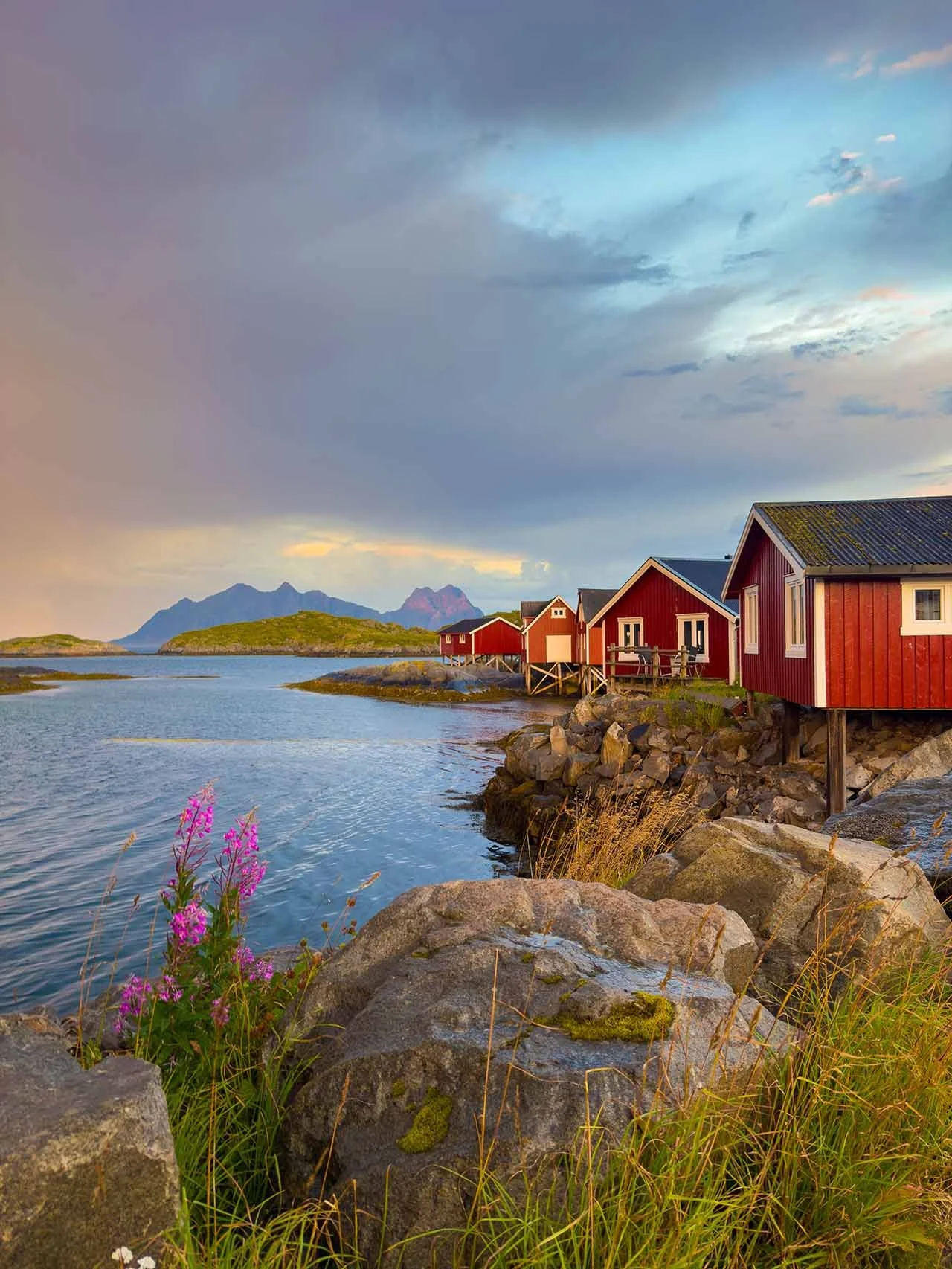
Simply cross the bridge to Svinøya, one of Lofoten's oldest fishing communities, and you'll discover a wonderful collection of traditional red fishermen's cabins (rorbuer), wooden fish-drying racks, working fishing boats and spectacular mountain backdrops.
The views across the harbour towards Svolvær and the surrounding mountains are fantastic, particularly during sunrise and sunset when the Arctic light transforms the landscape. In winter, the colourful cabins contrast beautifully with snow-covered peaks, while summer brings the extraordinary golden light of the Midnight Sun.
Svinøya is also a brilliant location for photographing the Northern Lights when the skies are clear, with opportunities to include traditional Norwegian fishing cabins and reflections in the water.
You don't need to be a professional photographer to capture something special here. Modern smartphones can produce remarkable results, and the constantly changing light means there's always something new to photograph.
Our local tip: Take your time exploring Svinøya's little lanes and waterfront, then stop at KOS Lofoten Café, inside Galleri Gunnar Berg, for a coffee, homemade cinnamon bun or what we proudly call the best hot chocolate in the Arctic. It's the perfect place to warm up, review your photographs and plan your next adventure.
And if you want to explore more of Lofoten's incredible photography locations, our Lofoten in a Nutshell and Road Trip to Reine tours take you to some of the islands' most spectacular scenery, with knowledgeable local guides who understand the importance of finding that perfect shot.

15. Do I need to book activities in Svolvær in advance?
We strongly recommend it, particularly during summer, Christmas, Easter and other popular travel periods.
Many experiences operate with relatively small groups, so availability can be limited.
Northern Lights tours, scenic day trips and RIB safaris are especially worth arranging before you arrive.
Booking early also allows you to organise your itinerary around weather-sensitive activities.
For the Northern Lights, we suggest choosing your earliest suitable evening rather than leaving everything until your final night.
16. How do I get to Svolvær?
Svolvær has several transport connections.
By plane: Svolvær Airport is served by regional flights, including connections through Bodø. Harstad/Narvik Airport at Evenes is another popular gateway, with onward road transport to Svolvær.
By bus: Bus services connect Svolvær with Evenes, Narvik and communities throughout Lofoten.
By boat: Express boat services connect Bodø with Svolvær, while coastal vessels also call at the town.
By ferry: Travellers arriving at Moskenes from Bodø can continue through Lofoten by road.
Always check current schedules, particularly outside the summer season.

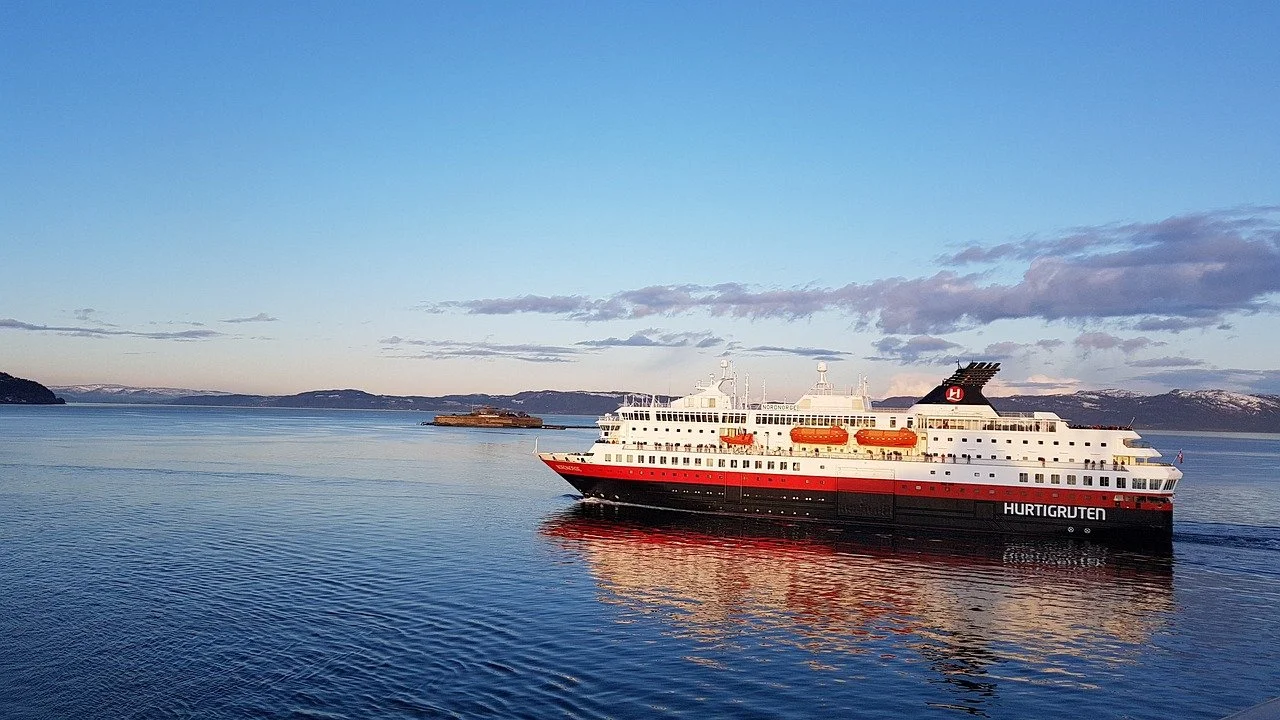
17. Is Svolvær a good destination for cruise passengers?
Yes. Svolvær is a popular port for coastal voyages and cruise itineraries.
Depending on your ship's schedule, you may have time for a guided sightseeing tour, a boat trip or an independent walk around town.
Our Lofoten in a Nutshell tour is particularly well suited to guests who want to see more than the harbour while learning about the islands.
For ships with longer port calls, a Road Trip to Reine may also be possible, but it's essential to check the departure and return times against your ship's schedule.
Private excursions can sometimes provide additional flexibility.
And if you're only in port for a short visit, a walk to Svinøya and a delicious hot chocolate at KOS Lofoten Café is a lovely way to spend your time ashore.
18. What should I wear when visiting Svolvær?
Layers are your friend.
Lofoten has a maritime Arctic climate, and the weather can change quickly throughout the year.
Even in summer, wind and rain can make conditions feel surprisingly cool.
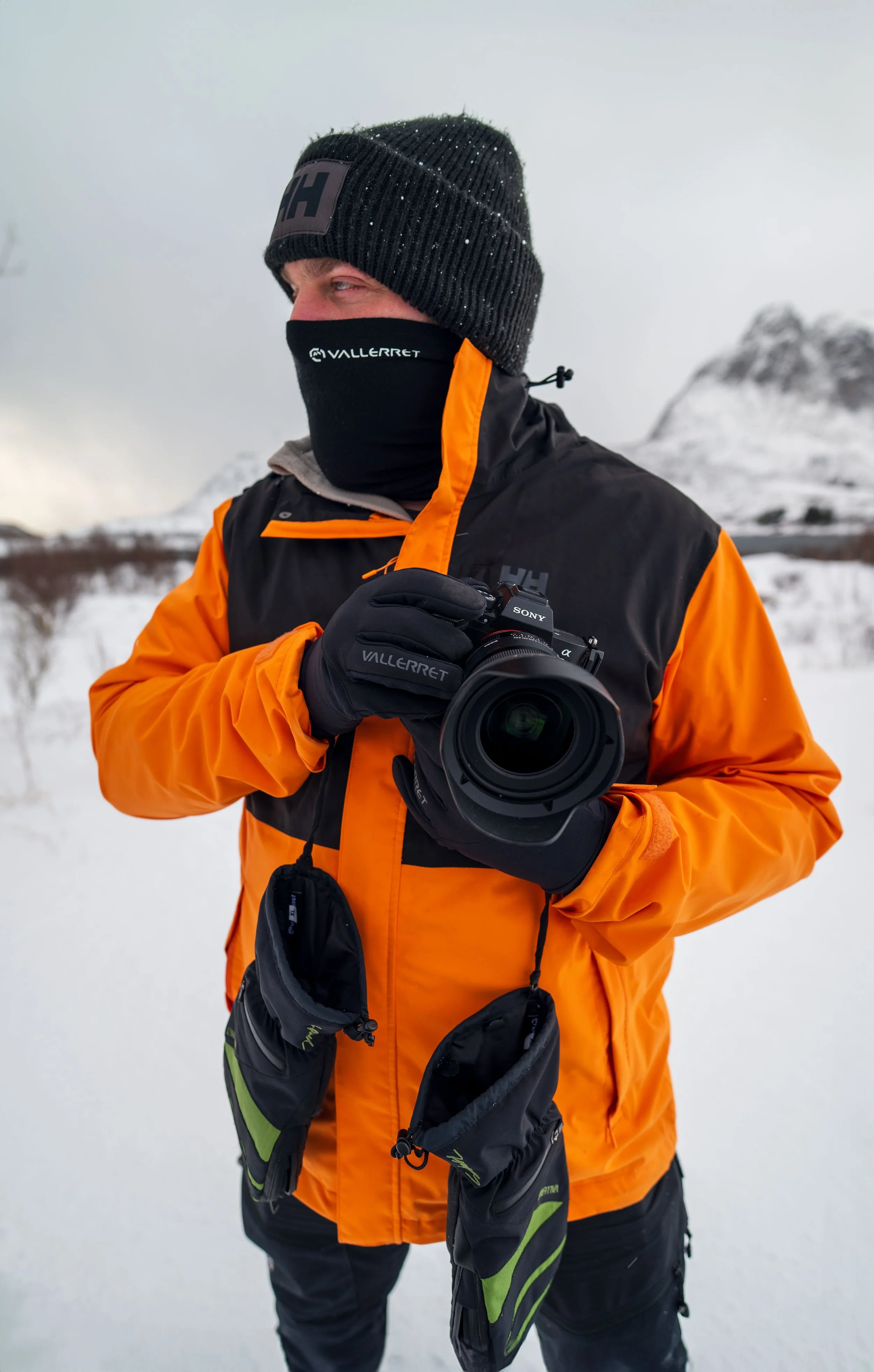
We recommend a waterproof and windproof outer layer, comfortable footwear, and additional warm clothing suited to the season.
For winter visits, insulated clothing, gloves, a hat and suitable footwear are essential, particularly for Northern Lights hunts and boat trips.
One last tip: check the forecast, but don't expect it to tell the whole story. Local conditions can vary dramatically across the islands.
19. What is the best way to experience Lofoten from Svolvær?
If you want a little of everything, we'd suggest combining four different experiences.
Discover the landscapes: Join our Road Trip to Reine to experience the iconic scenery of Western Lofoten.
Discover the culture: Take Lofoten in a Nutshell and learn about the fishing villages, history and traditions that make these islands unique.
Discover the Arctic night: During Northern Lights season, join our Ultimate Aurora Hunt for an opportunity to witness one of nature's greatest spectacles with experienced local photography guides.
Discover Lofoten from the sea: Join Lofoten Explorer for a Trollfjord and Sea Eagle RIB Safari, taking you into a completely different world of fjords, mountains and wildlife.
And between adventures? Visit KOS Lofoten Café for the best hot chocolate in the Arctic.
That sounds like a pretty fantastic Lofoten holiday to us.
20. Why book with a local tour company in Svolvær?
Lofoten is a wonderful place, but it's also somewhere that benefits enormously from local knowledge.
Weather changes quickly. Road conditions vary. The best photographic light moves with the seasons, and some of the most interesting stories aren't written on information boards.
At Lofoten Insight, we live and work here.
Our team combines local knowledge, photography expertise and a genuine enthusiasm for sharing the islands with visitors.
We want you to leave with more than just photographs. We want you to understand the places you've visited, the people who've lived here and why Lofoten is so special.
Your Lofoten adventure starts in Svolvær
Whether you're visiting for a weekend, arriving on a cruise ship or spending a full week exploring Northern Norway, Svolvær makes an excellent base.
From the famous landscapes of Reine to the dancing Northern Lights, the wildlife of Trollfjord and the cosy atmosphere of KOS Lofoten Café, there's so much waiting to be discovered.
And if you're unsure where to begin, we're here to help.
Visit Lofoten Insight to explore our tours, discover what makes Lofoten extraordinary and start planning your adventure.
Once in a lifetime, as often as you can.