
Planning a Trip to Lofoten
15 Questions Every Visitor Asks (Answered by Locals)
Planning a trip to Lofoten can feel overwhelming at first. Tiny fishing villages, dramatic mountains, northern lights, midnight sun, road trips, hikes, photography spots, wildlife, changing weather… there is a lot to figure out.
After guiding thousands of guests across the islands, we hear many of the same questions again and again.
So here it is: the big Lofoten FAQ. A practical guide packed with local advice, travel tips, and answers to the questions travellers search for most before visiting Arctic Norway.
1. What is the best time to visit Lofoten?
Honestly, there is no bad time to visit Lofoten. It depends entirely on what you want to experience.
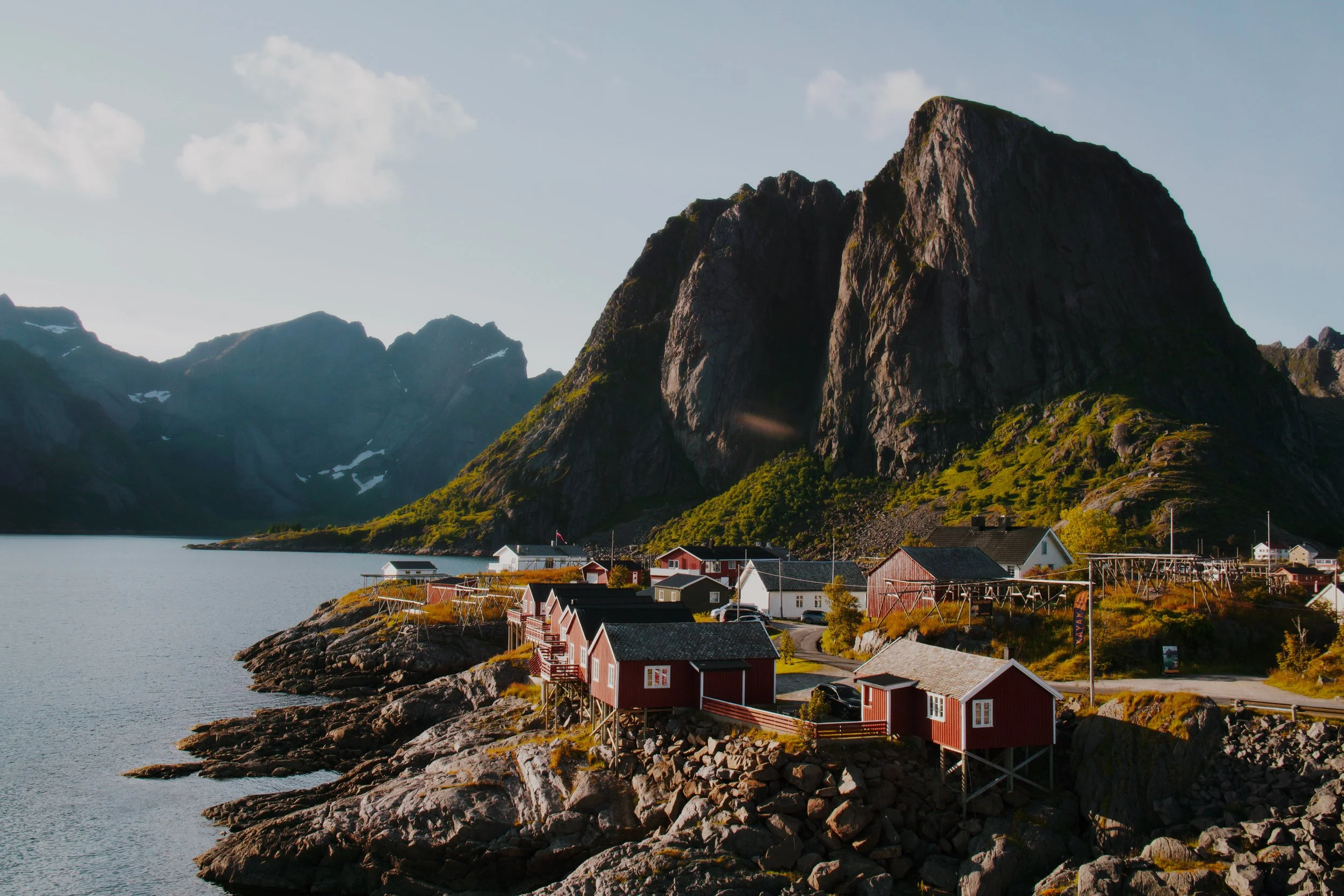
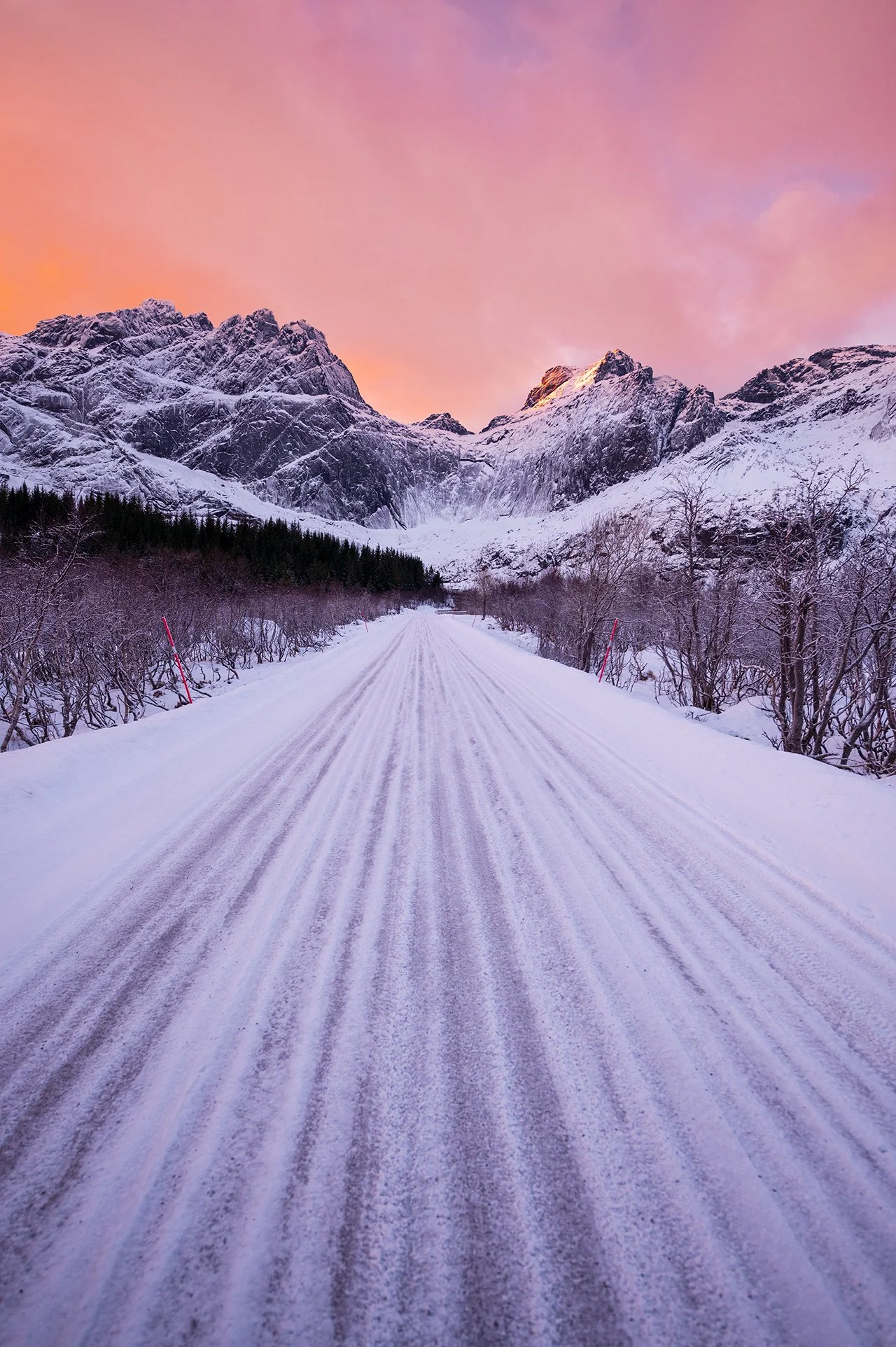
Winter (September-ish to March): Northern lights, dramatic storms, snow-covered peaks, Arctic atmosphere
Spring (April to May): Snow on mountains, quieter roads, beautiful light
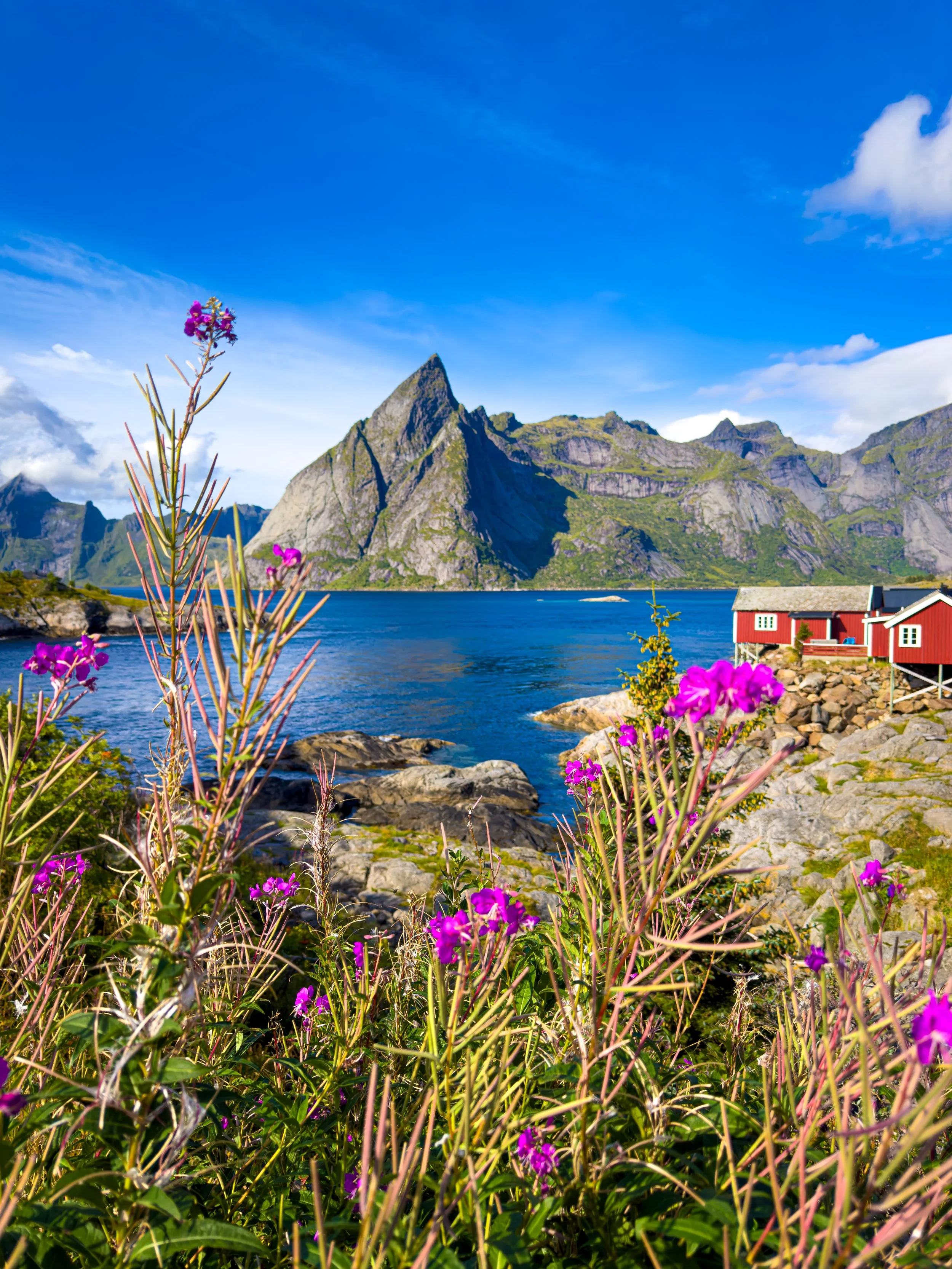
Summer (June to August): Midnight sun, hiking, beaches, wildlife, endless daylight
Autumn (September to October): Colourful landscapes, fewer tourists, early aurora season
Many visitors are surprised by how different Lofoten feels between seasons. Summer is energetic and bright. Winter feels cinematic and wild.
2. How many days do you need in Lofoten?
We usually recommend at least 4 to 7 days.
Too many visitors rush through the islands in 48 hours and spend most of their trip inside a car saying things like “wait, stop, photo!” every thirty seconds.
Lofoten deserves time.
A good mix might include:
Scenic sightseeing
A guided tour
A hiking day
Wildlife experiences
Relaxed evenings in fishing villages
Flexibility for weather changes
3. Is it better to book tours or self-drive?
Self-driving is popular, but guided tours allow you to experience far more without the stress of navigation, parking, changing weather, and constantly checking maps.
At Lofoten Insight, our tours combine scenery with local storytelling, photography advice, history, wildlife knowledge, and flexibility based on conditions.
Many guests tell us afterwards they saw places they would never have discovered alone.
And perhaps more importantly, they could actually enjoy the scenery instead of trying not to reverse into a Norwegian sheep.
4. What are the best tours in Lofoten?
That depends on what kind of experience you want.
Popular experiences with Lofoten Insight include:
Each experience focuses on different aspects of life in Lofoten, from dramatic scenery and wildlife to fishing heritage and local culture.
5. What is the weather like in Lofoten?
Unpredictable.
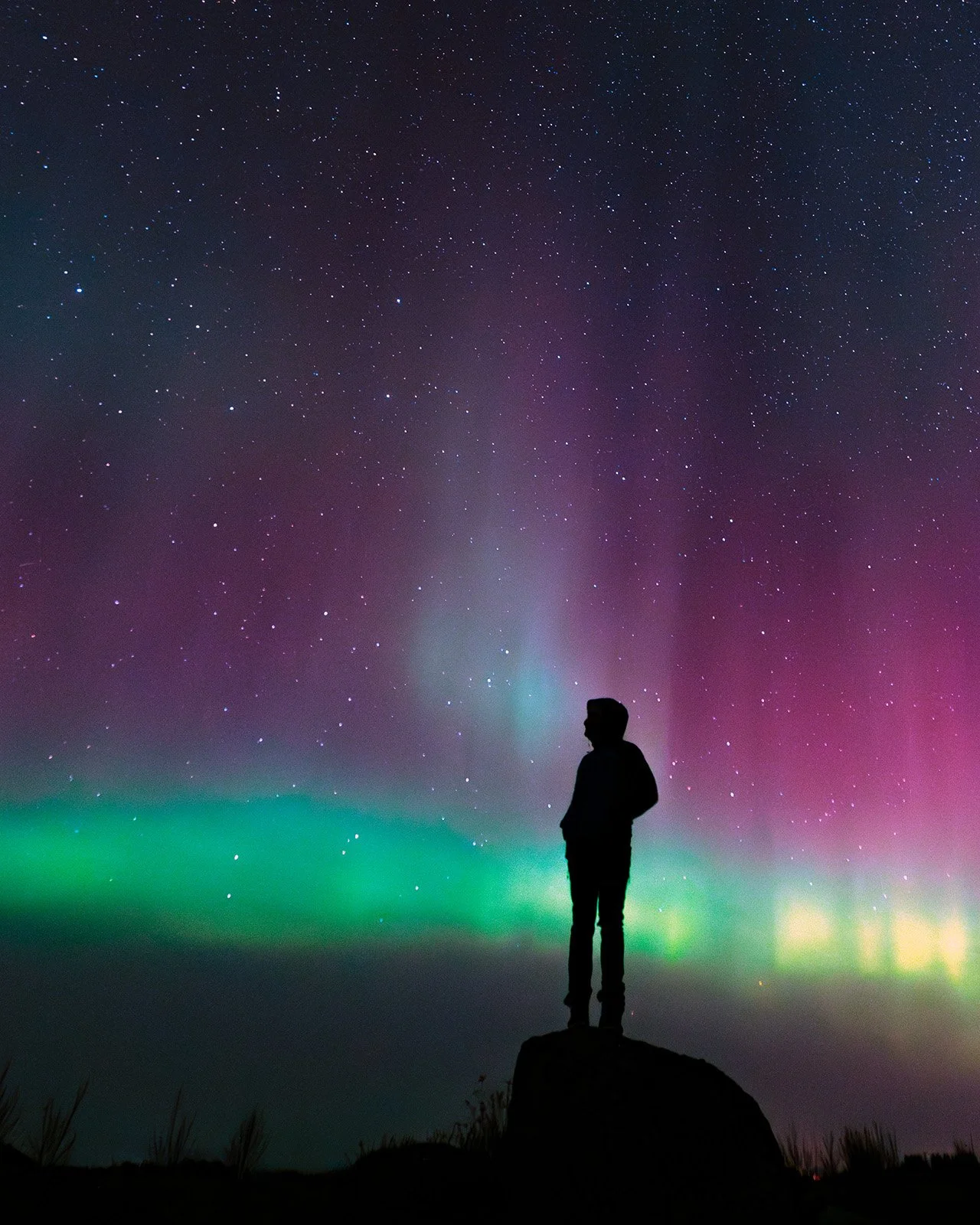
That is not a joke. Conditions can change extremely quickly in Lofoten due to Arctic weather systems and mountain microclimates.
You can experience sunshine, rain, wind, and rainbows within the same hour.
The Norwegian saying “Det finnes ikke dårlig vær, bare dårlige klær” exists for a reason: “There is no bad weather, only bad clothing.”
Bring layers and waterproofs. Always.
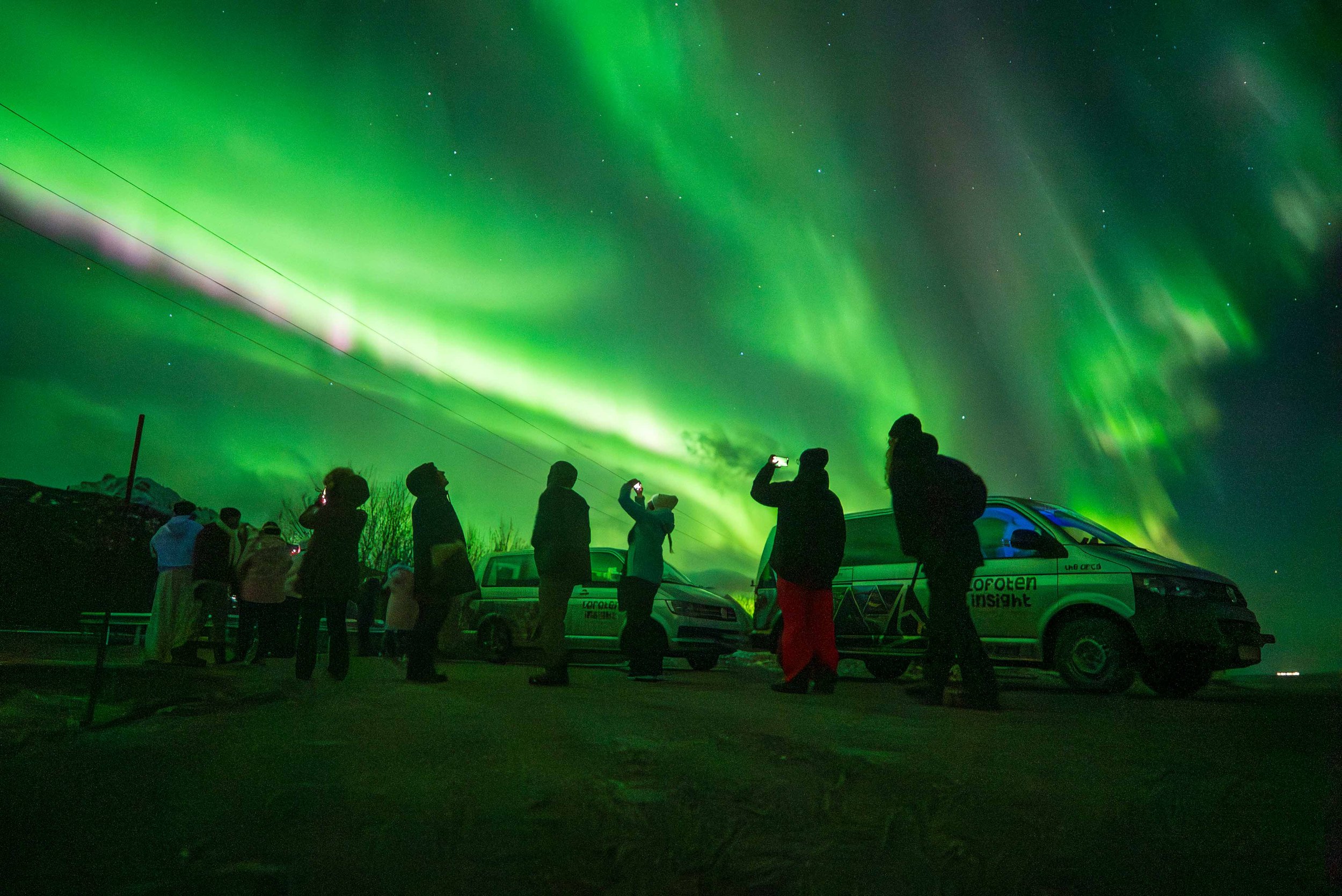
6. Can you see the northern lights in Lofoten?
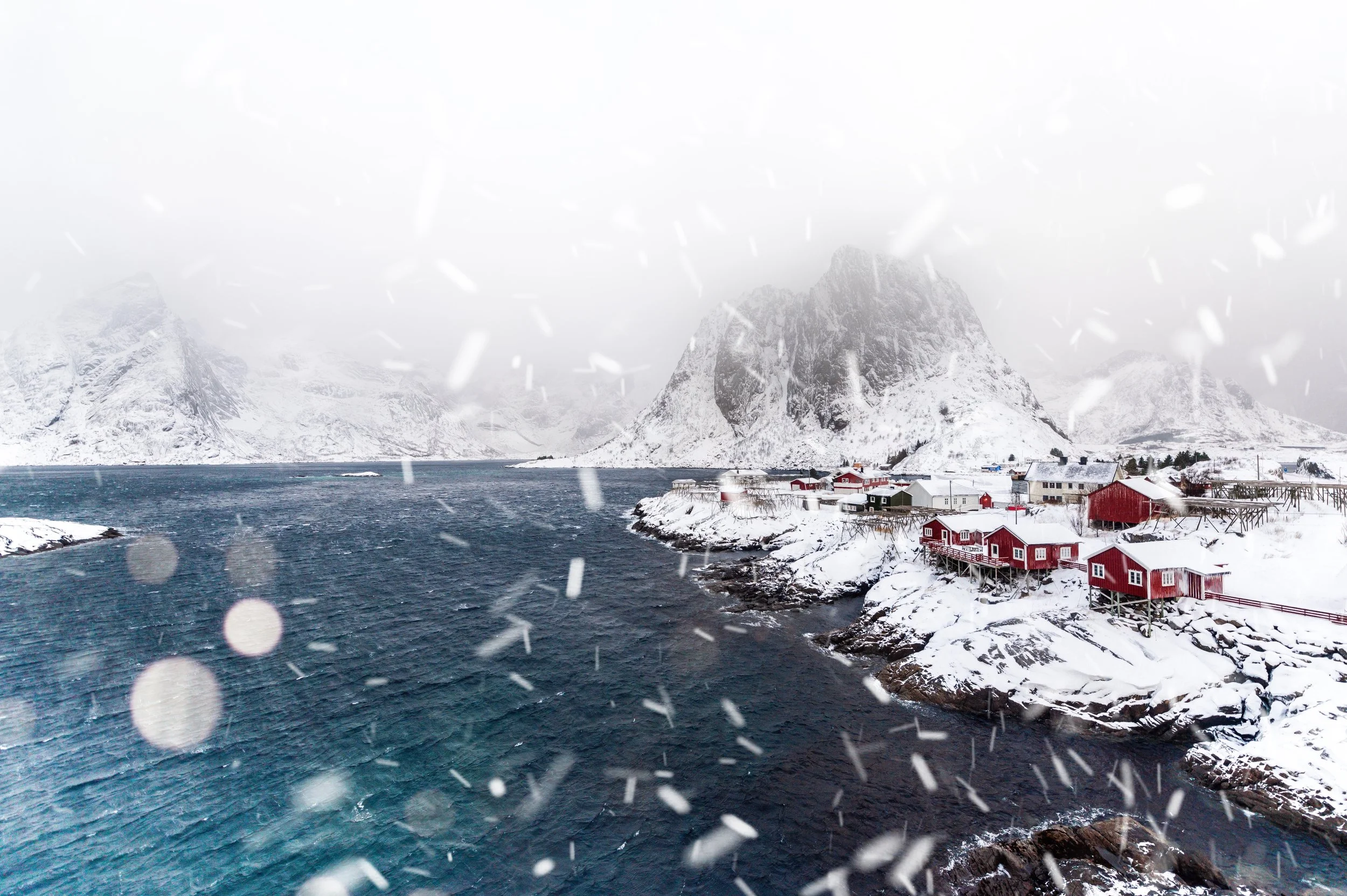
Yes, and Lofoten is one of the best places in the world to experience them.
The aurora season typically runs from September until March or early April.
The key factors are:
Darkness
Clear skies
Solar activity
The best way to maximise your chances is with an experienced local guide who understands the constantly changing Arctic weather and microclimates.
That is exactly what the Ultimate Aurora Hunt is designed for.
7. Is Lofoten expensive?
Norway is not a budget destination, but experiences in Lofoten are genuinely world-class.
Costs are higher because of geography, logistics, wages, fuel, and operating in the Arctic.
That said, guided tours often provide excellent value because they combine transport, local expertise, storytelling, photography help, and carefully planned itineraries into one experience.
8. What should I pack for Lofoten?
No matter the season:
Waterproof jacket
Warm layers
Good shoes or hiking boots
Hat and gloves
Camera
Power bank
Sense of adventure
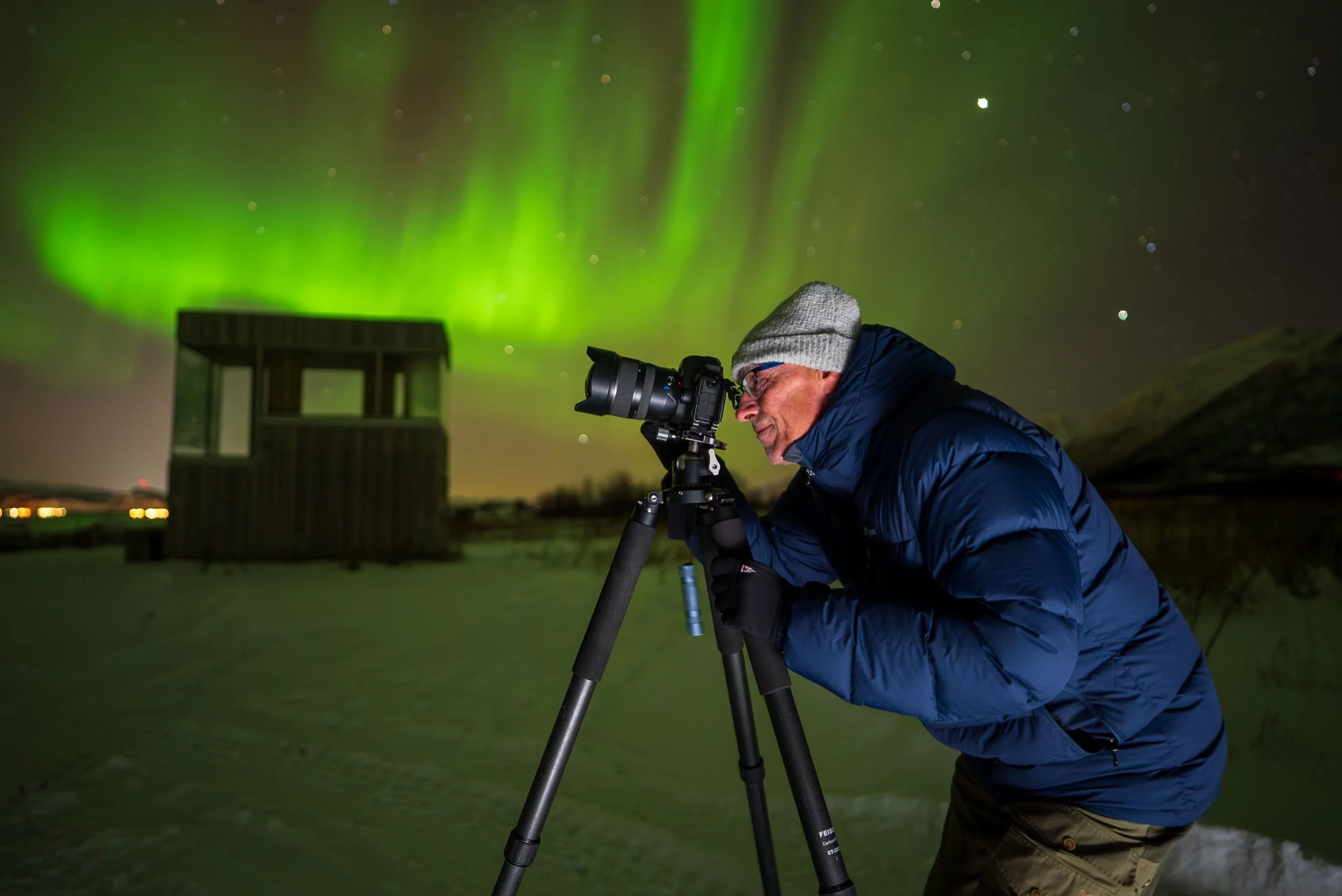
Photographers should also bring proper gloves designed for cold conditions, especially during northern lights season.
9. Is Lofoten good for photographers?
Absolutely.
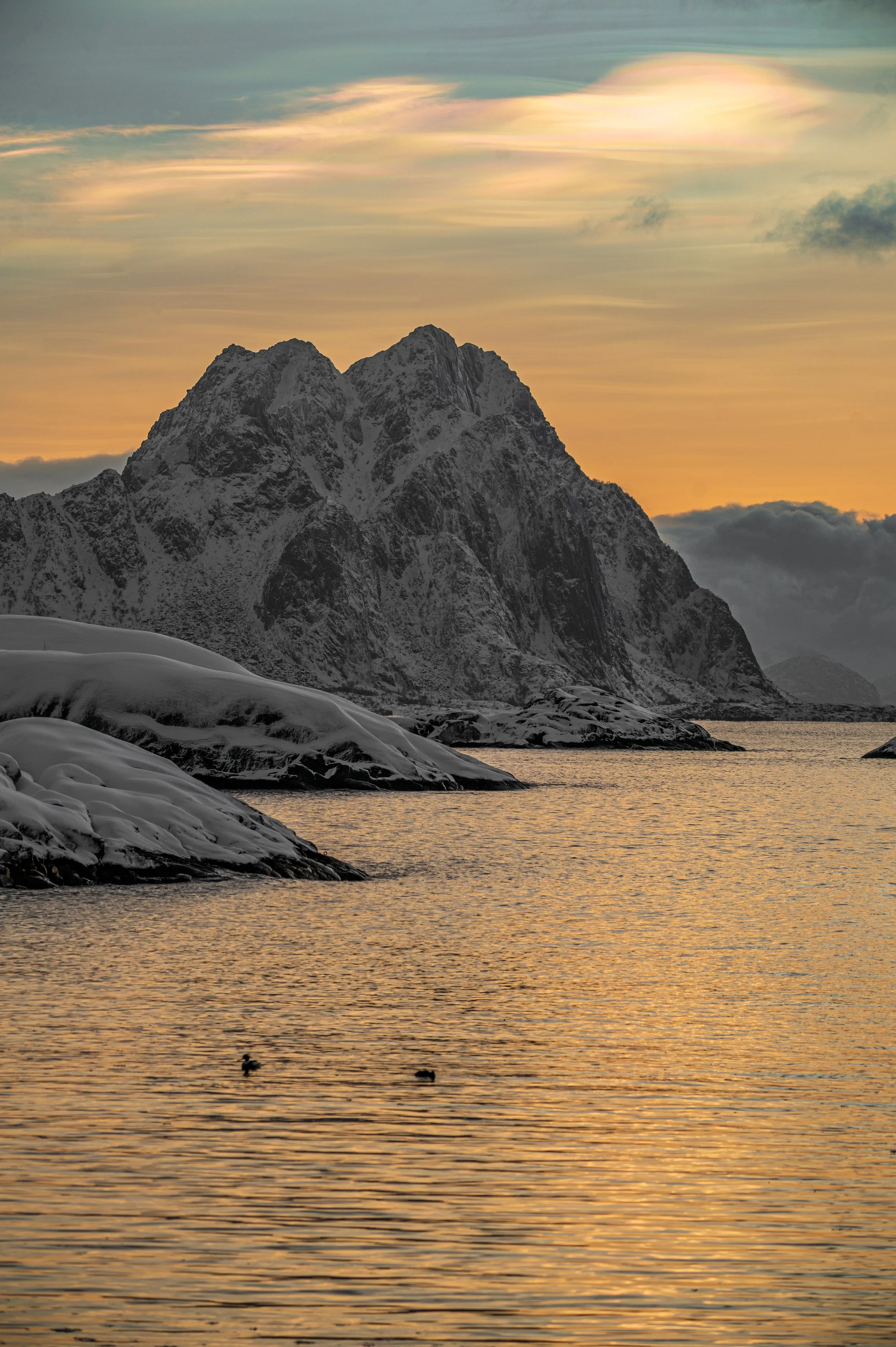
Lofoten is one of the world’s great photography destinations thanks to:
Dramatic mountains
Fishing villages
Beaches
Aurora
Midnight sun
Wildlife
Constantly changing weather and light
Many of our tours naturally include photography stops and guidance, especially Road Trip to Reine, Midnight Magic, Wildlife Safari, and Ultimate Aurora Hunt.
10. What wildlife can you see in Lofoten?
Depending on season and luck:
Moose
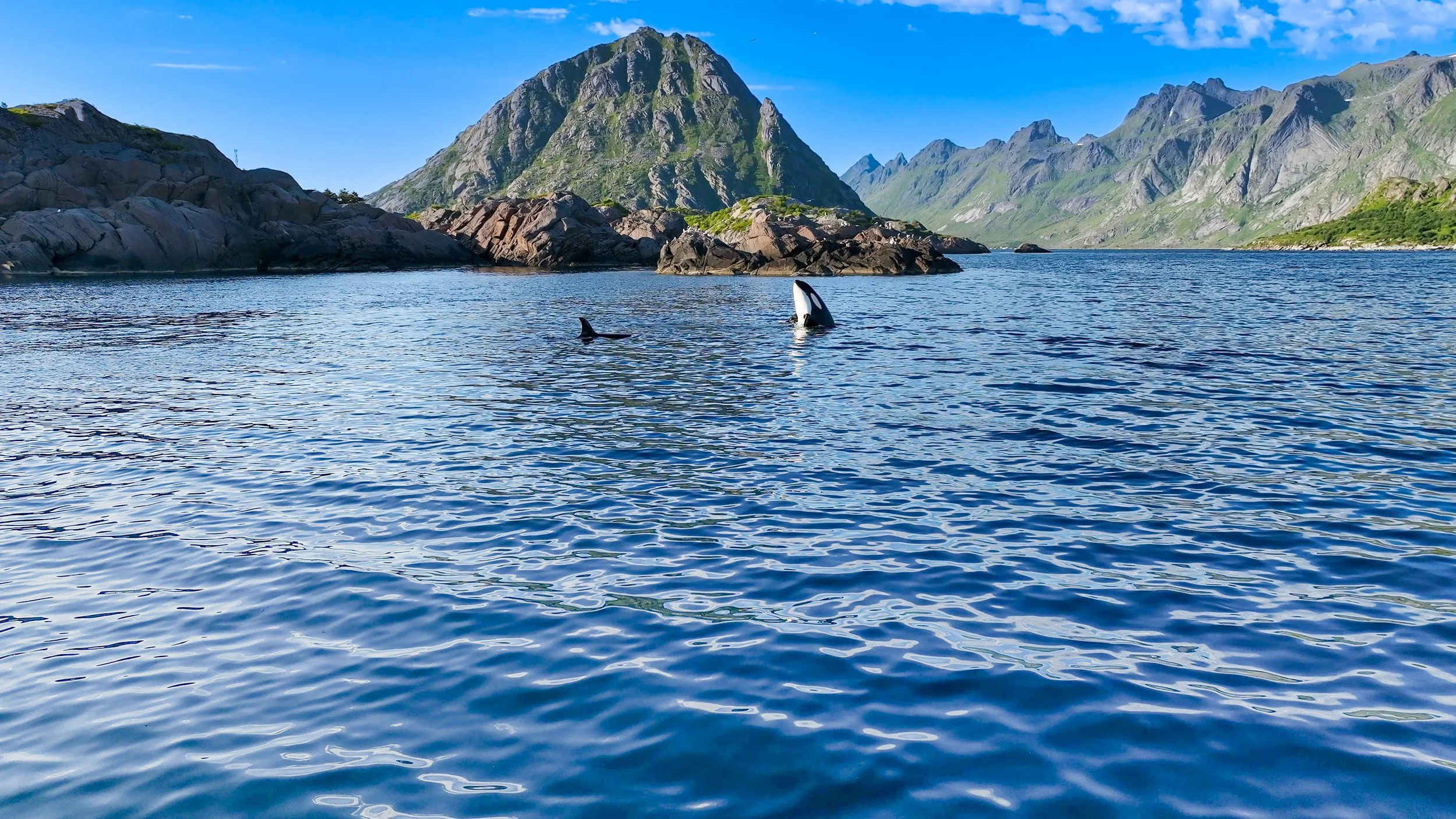
Orcas
Sea eagles
Otters
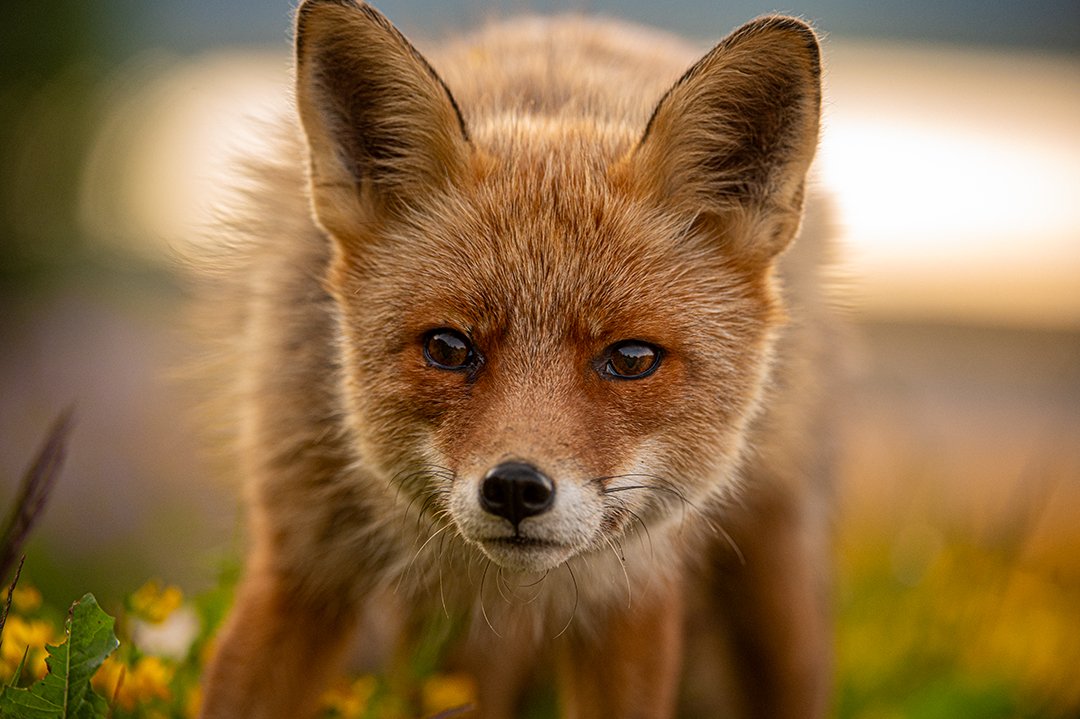
Foxes
Seals
Puffins
Guillemots
White-tailed eagles
Orcas and whales occasionally
The Lofoten Wildlife Safari focuses specifically on finding wildlife while also exploring beautiful landscapes across the islands.
11. What is stockfish and why is it everywhere?
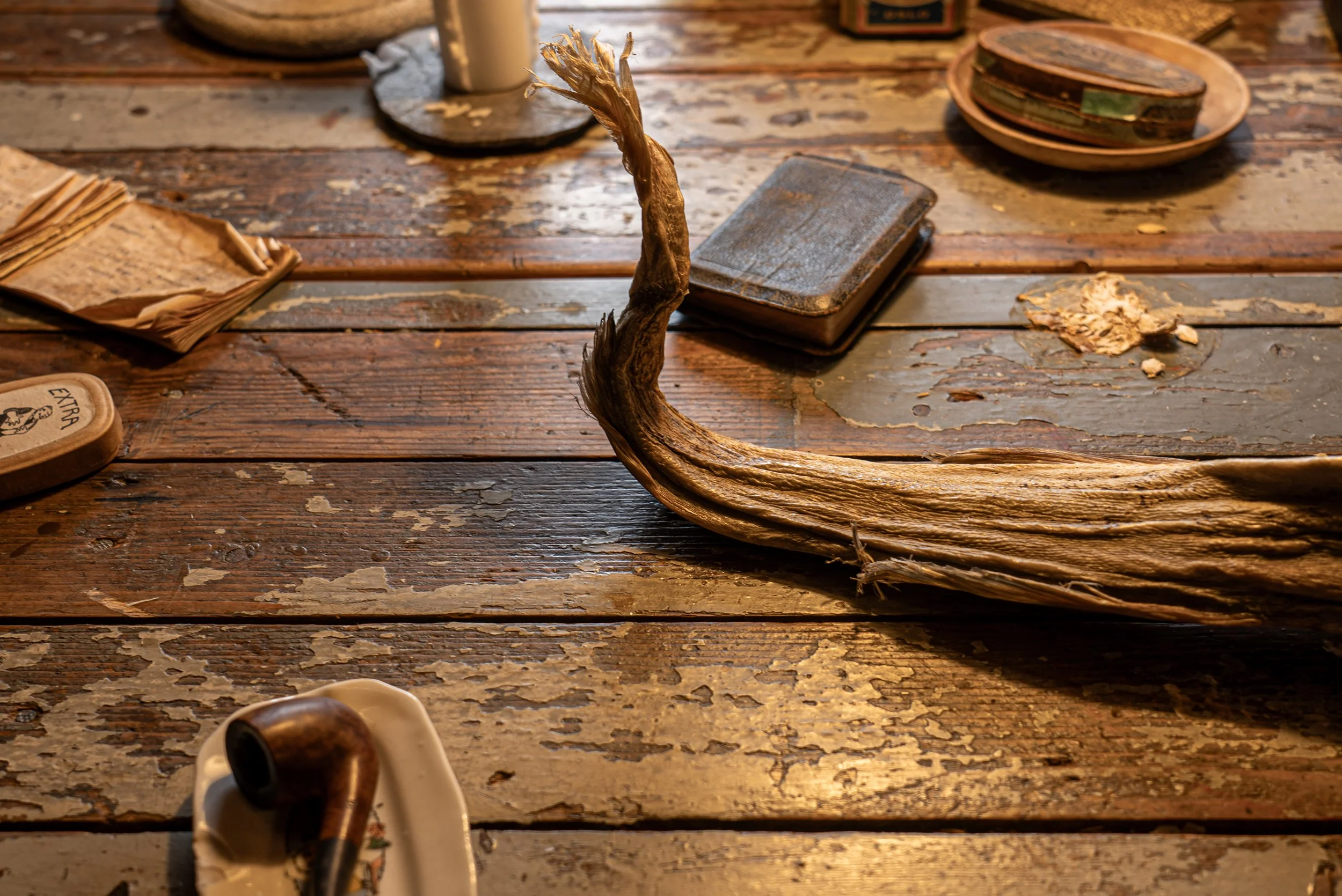
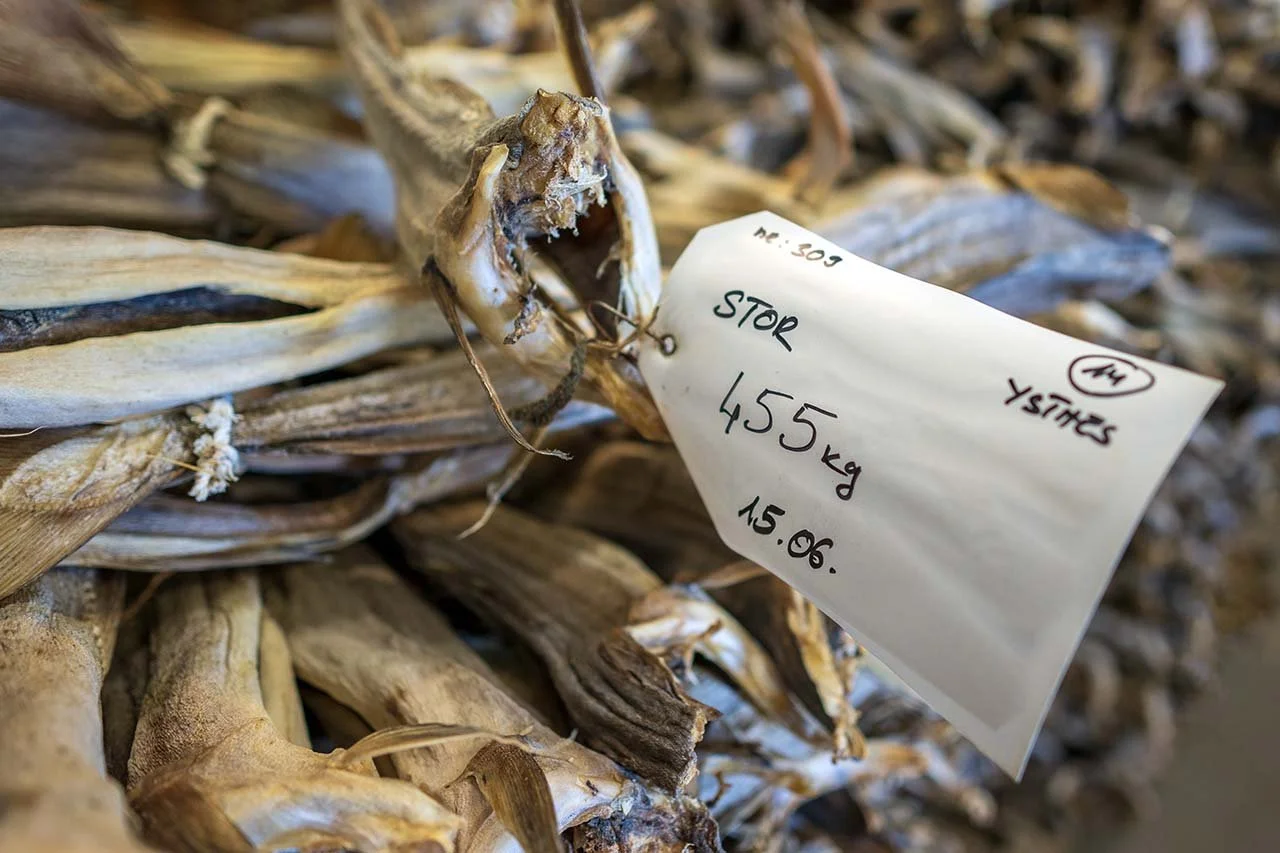
Stockfish is cod dried naturally by Arctic air and wind.
It has been produced in Lofoten for over a thousand years and helped build the entire region economically.
Those wooden drying racks visitors photograph constantly are not tourist decorations. They are part of one of Norway’s most important historic industries.
Without fish, very little in Lofoten would exist.
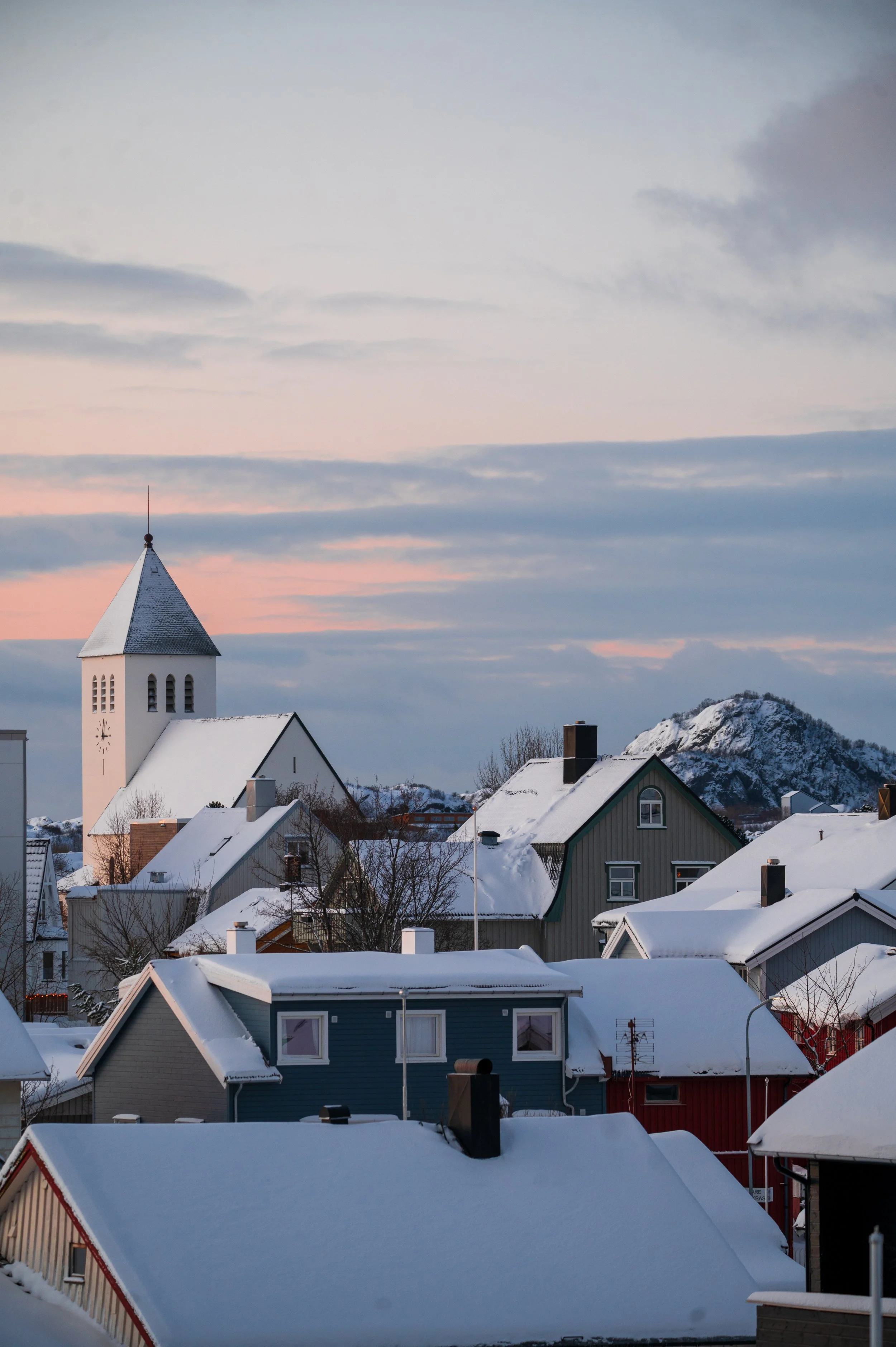
12. What are the best things to do in Svolvær?
Svolvær is one of the best bases for exploring Lofoten.
Popular experiences include:
Wildlife safaris
It also has restaurants, galleries, cafés, and excellent access to the rest of the islands.
13. Is Lofoten suitable for non-hikers?
Definitely.
While hiking is popular, many of the most spectacular locations are accessible by road or short walks.
Tours like:
Lofoten in a Nutshell
Road Trip to Reine
Taste Lofoten
The Lofoten Sagas
are ideal for guests wanting incredible scenery and culture without demanding physical activity.
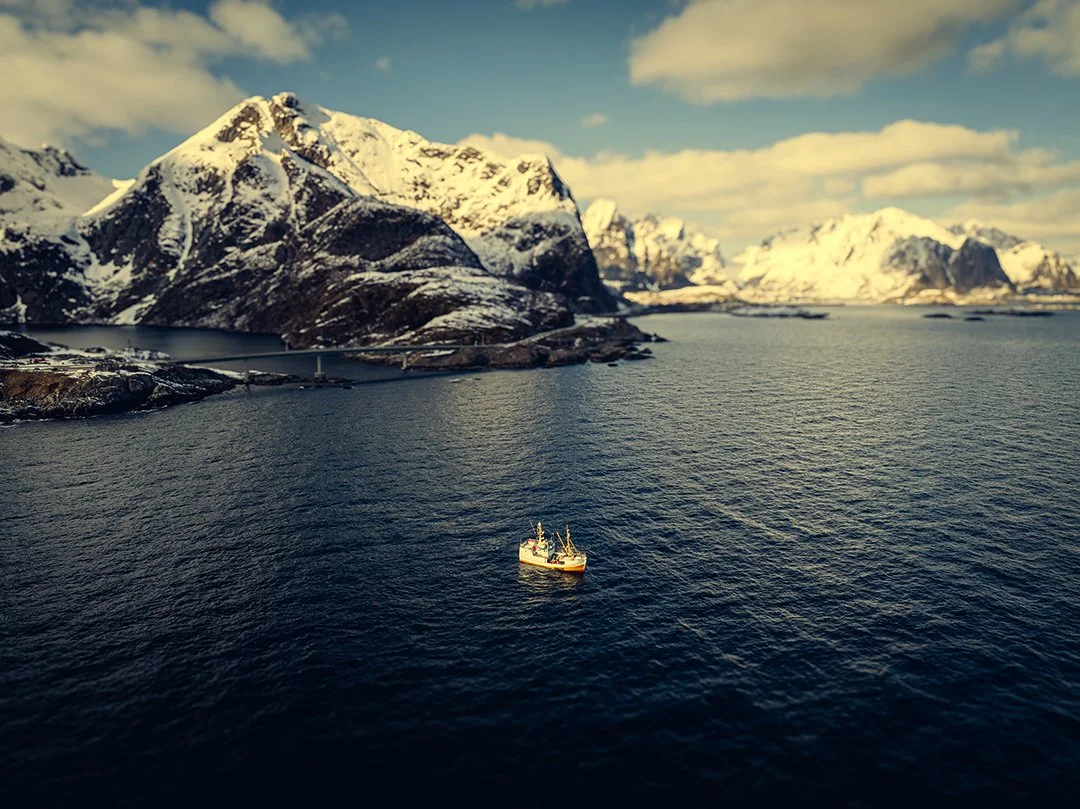
14. Are guided tours worth it in Lofoten?
Most guests say yes, especially after experiencing how quickly weather and conditions can change.
A local guide helps with:
Weather decisions
Timing
Photography advice
Hidden locations
Local stories
Wildlife spotting
Safety
Flexibility
In the Arctic, local knowledge genuinely matters.
15. What makes Lofoten Insight different?
At Lofoten Insight, we focus on more than simply transporting guests between viewpoints.
Our experiences combine:
Local storytelling
Photography expertise
Arctic weather knowledge
Small-group atmosphere
Flexible itineraries
History and culture
Genuine passion for Lofoten
Whether it is chasing the aurora beneath Arctic skies, exploring fishing villages, hiking coastal trails, searching for wildlife, or discovering why fish built these islands in the first place, our goal is simple:
Help visitors experience the real Lofoten properly.
Because once you understand the stories behind the scenery, you never see these islands the same way again.