
The story behind Lofoten
Why fish built everything you see
When most people arrive in Lofoten, they notice the mountains first.
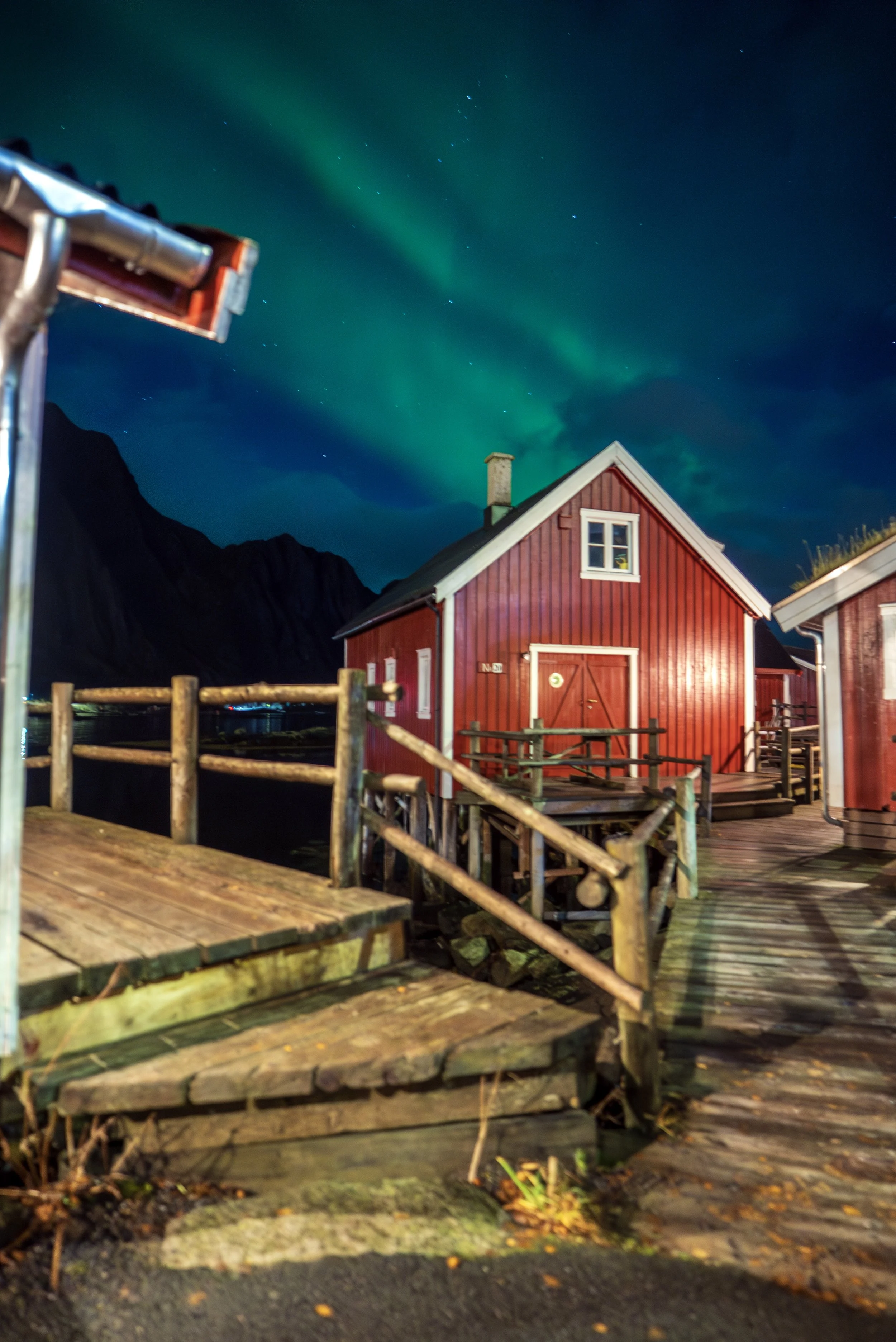
Sharp granite peaks rise straight from the sea. Red fishermen’s cabins cling to the shoreline. White beaches appear unexpectedly beneath jagged cliffs. It feels dramatic, wild, and almost untouched.
But behind all that beauty lies the real reason people came here in the first place: fish.
Without fish, there would be no fishing villages. No rorbuer. No bustling harbours. No stockfish racks covering the shoreline. No communities beneath these mountains. In many ways, the entire story of Lofoten begins with cod.
And that story is exactly what visitors discover on the Lofoten Insight experiences: the Lofoten in a Nutshell tour and The Lofoten Sagas walking tour.
The Fish That Changed Northern Norway
Every winter for more than a thousand years, Arctic cod known as skrei migrate south from the Barents Sea to spawn around Lofoten. This seasonal fishery became one of the most important industries in all of Norway.
Fishermen travelled huge distances to reach the islands during the famous Lofotfisket. Many were farmers for most of the year, arriving in winter because their frozen farms offered little work. They came by rowing boat from across northern Norway, risking storms and freezing seas for the chance to earn money that would support families back home.
The cod they caught was transformed into stockfish: unsalted fish dried naturally by the cold Arctic air and wind. It sounds simple, but stockfish became one of Norway’s most valuable exports for centuries.
At one point, stockfish from Lofoten helped feed much of Europe.
Italy still loves it today. So do parts of Portugal, Croatia, and Nigeria. The trade routes built wealth, created communities, and shaped the islands visitors now travel across photographing every day.
Those iconic wooden drying racks covering the landscape are not decoration for tourists. They are the reason these villages exist at all.
Discovering the Real Lofoten
Many visitors drive through Lofoten without fully understanding what they are seeing.
Beautiful red cabins? Former fishermen’s accommodation.
Large waterfront buildings? Historic fish-processing centres.
Tiny villages in seemingly impossible locations? Built because fishermen needed access to the sea.
The landscape becomes far more meaningful once you understand the history behind it.
That is where the Lofoten in a Nutshell tour comes in.
This experience combines some of the region’s most spectacular scenery with storytelling about culture, fishing heritage, Viking history, geology, and everyday life in Arctic Norway. Guests explore famous locations while also learning how the islands evolved from isolated fishing communities into one of the world’s most photographed destinations.
It is not just sightseeing. It is understanding why Lofoten looks the way it does.
Walking Through Living History
For those wanting an even deeper connection to the past, The Lofoten Sagas offers something truly special.
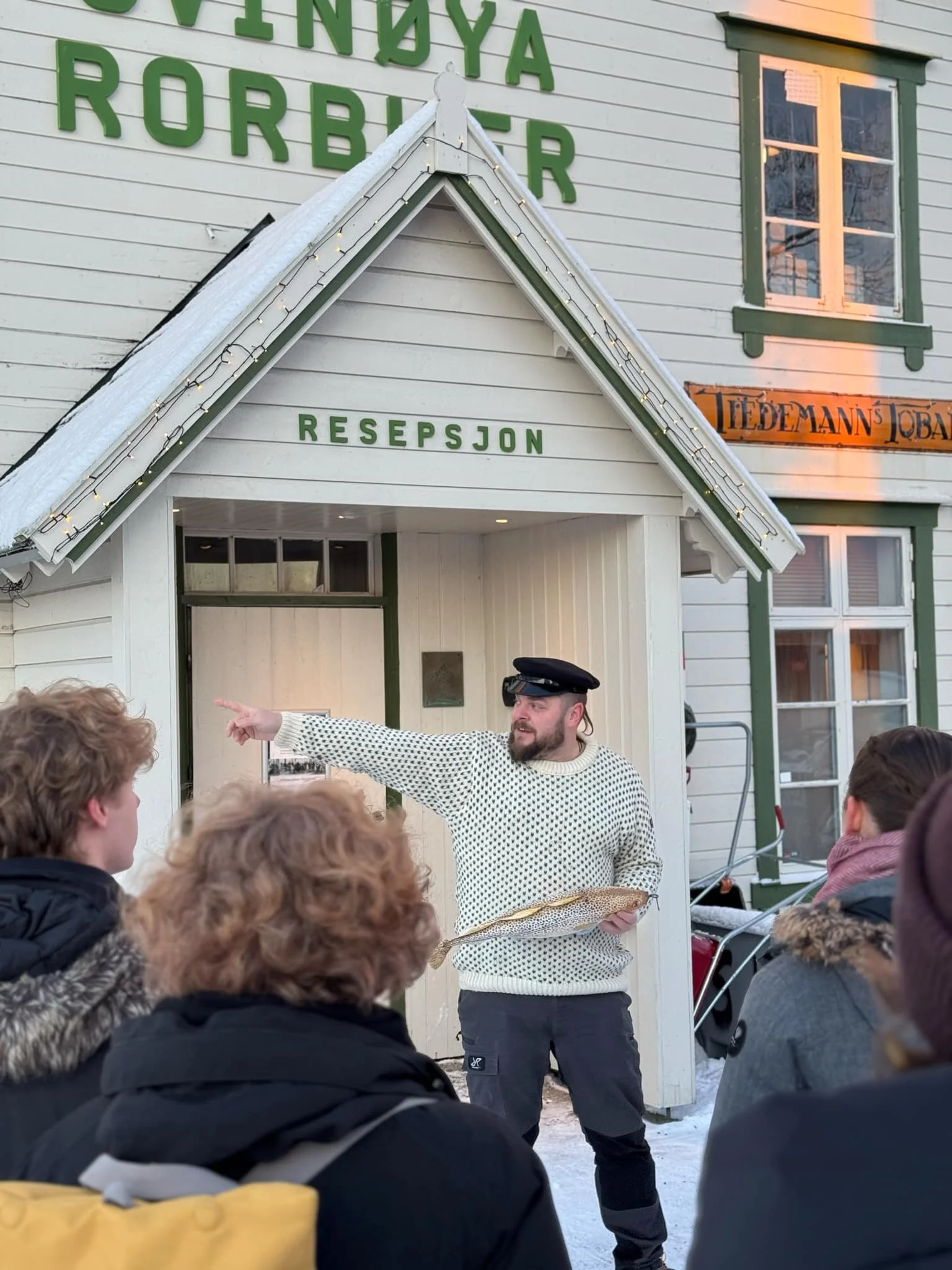
Based at Svinøya, this walking tour explores one of the oldest and most historic fishing environments in the region. Guests visit preserved rorbuer, learn about the lives of fishermen, hear stories passed down through generations, and discover how entire families depended on the cod fisheries.
The tour also includes exclusive access to environments many visitors never see, including traditional buildings connected to the stockfish industry and the historic fishing culture that shaped northern Norway.
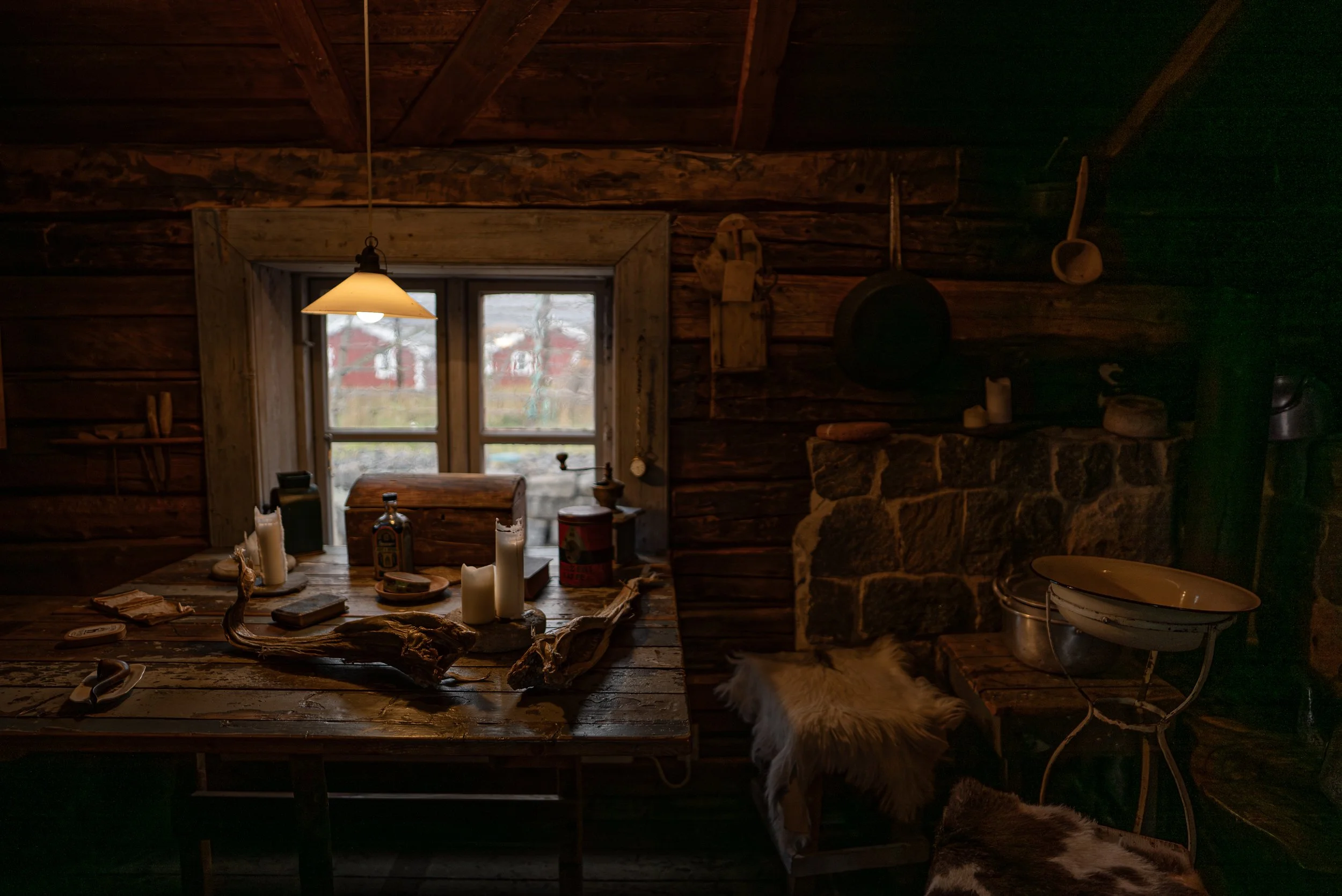
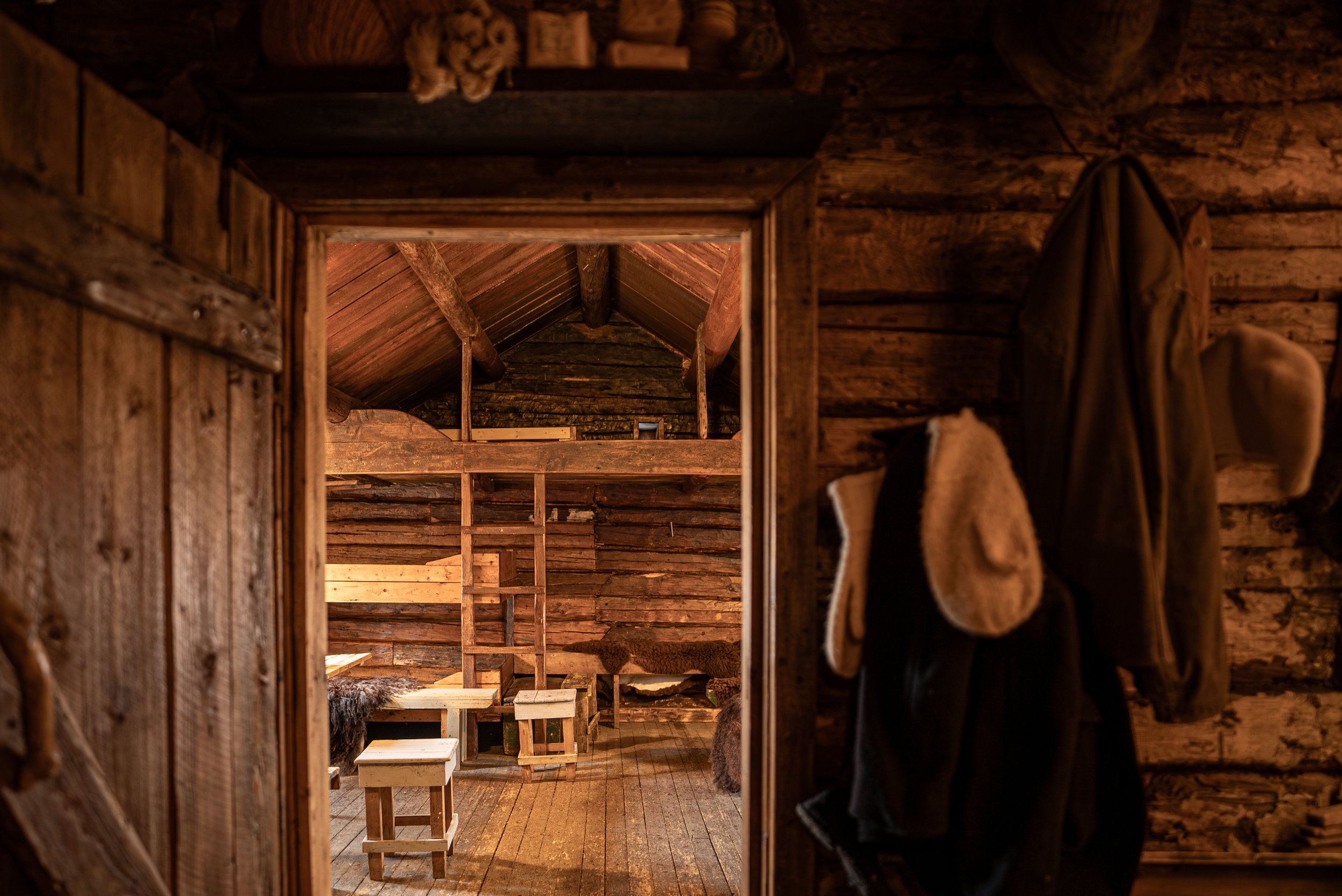
Standing inside a preserved rorbu while hearing how fishermen once lived, worked, slept, and survived through Arctic winters changes your perspective completely. Suddenly, those picturesque cabins stop being “cute Instagram houses” and become symbols of resilience and survival.
More Than Mountains
The scenery in Lofoten is extraordinary. Nobody questions that.
But the soul of Lofoten is found in its stories.
It is found in the fishermen who crossed dangerous seas in open boats. In the cod drying on wooden racks beneath snow-covered mountains. In the villages built around seasonal survival. In the people who transformed isolated Arctic islands into thriving communities through determination, hardship, and fish.
A lot of fish.
The next time you stand beside a harbour in Svolvær or photograph stockfish racks beneath dramatic peaks, remember this: if it was not for fish, almost nothing here would exist.
And once you understand that, you begin to see Lofoten differently.