
Weather in Lofoten
There’s no such thing as bad weather, only bad clothing
If you spend more than five minutes in Lofoten, you will quickly learn two things. First: the scenery is absurdly beautiful. Second: the weather has absolutely no interest in your plans.
One moment you are standing under blue skies photographing white beaches and sharp granite peaks. Ten minutes later, horizontal rain is trying to exfoliate your face while the mountain you were admiring disappears completely into cloud. Welcome to northern Norway.
There is an old Norwegian saying: “Det finnes ikke dårlig vær, bare dårlige klær.” Directly translated, it means: “There is no bad weather, only bad clothing.” It sounds like a joke until you realise Norwegians genuinely live by it. In a place like Lofoten, they have to.
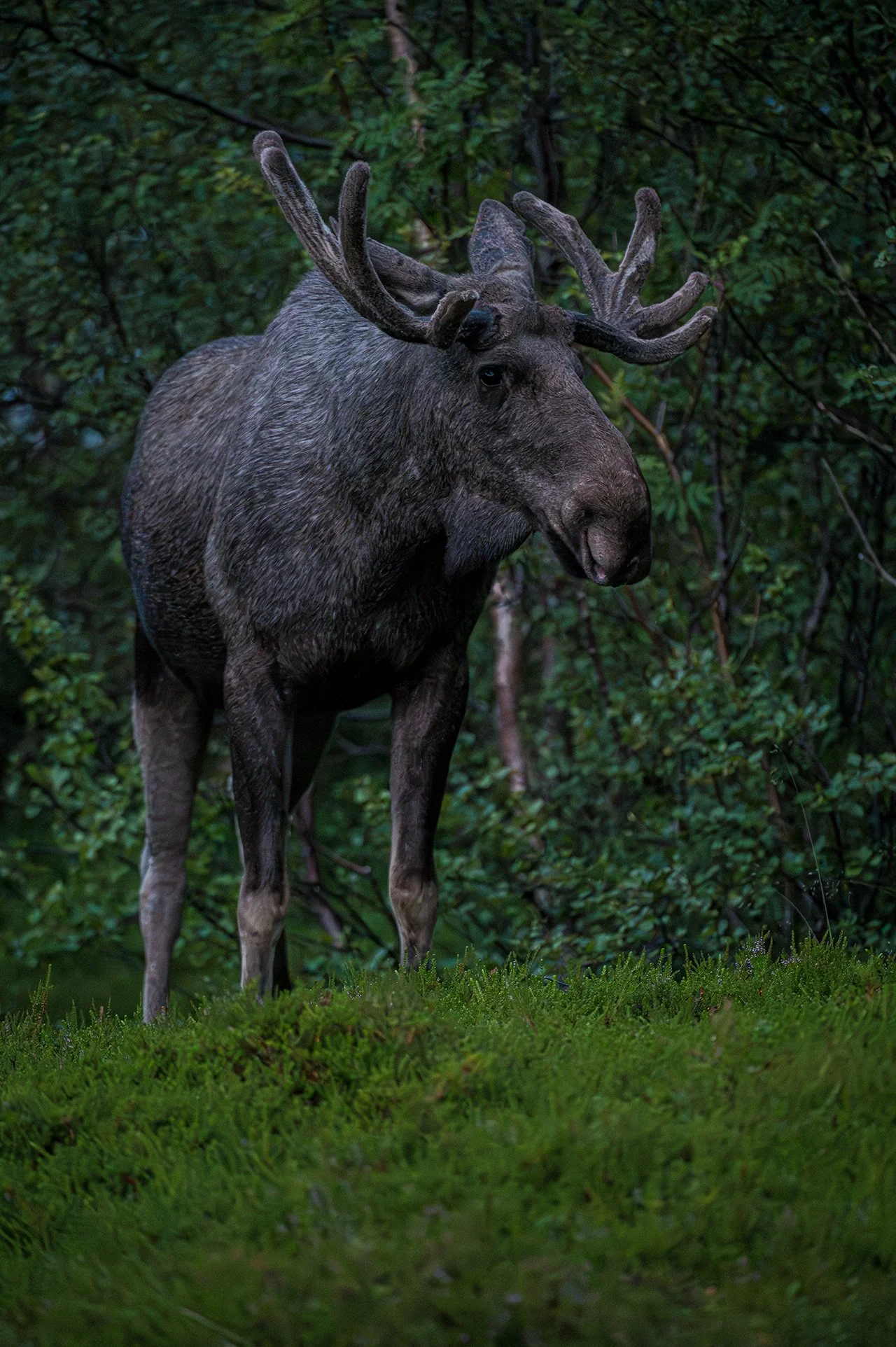
Four Seasons Before Lunch
The weather in Lofoten changes incredibly quickly because of the geography and location. Warm air from the Gulf Stream collides with cold Arctic air, all while steep mountains force weather systems to behave unpredictably. Tiny microclimates exist everywhere. It can be pouring with rain in one village and dry with sunshine fifteen minutes down the road.
This is especially important for visitors planning hikes, photography trips, northern lights tours, or even simple road journeys along the E10. Conditions can shift fast, and forecasts are often best treated as guidance rather than guarantees.
You might wake up to heavy rain and assume the day is ruined, only to find dramatic sunlight breaking through over the fjords later that afternoon. Equally, you might start a hike in sunshine and find yourself in fog and sleet before you reach the summit. Lofoten likes to keep people humble.
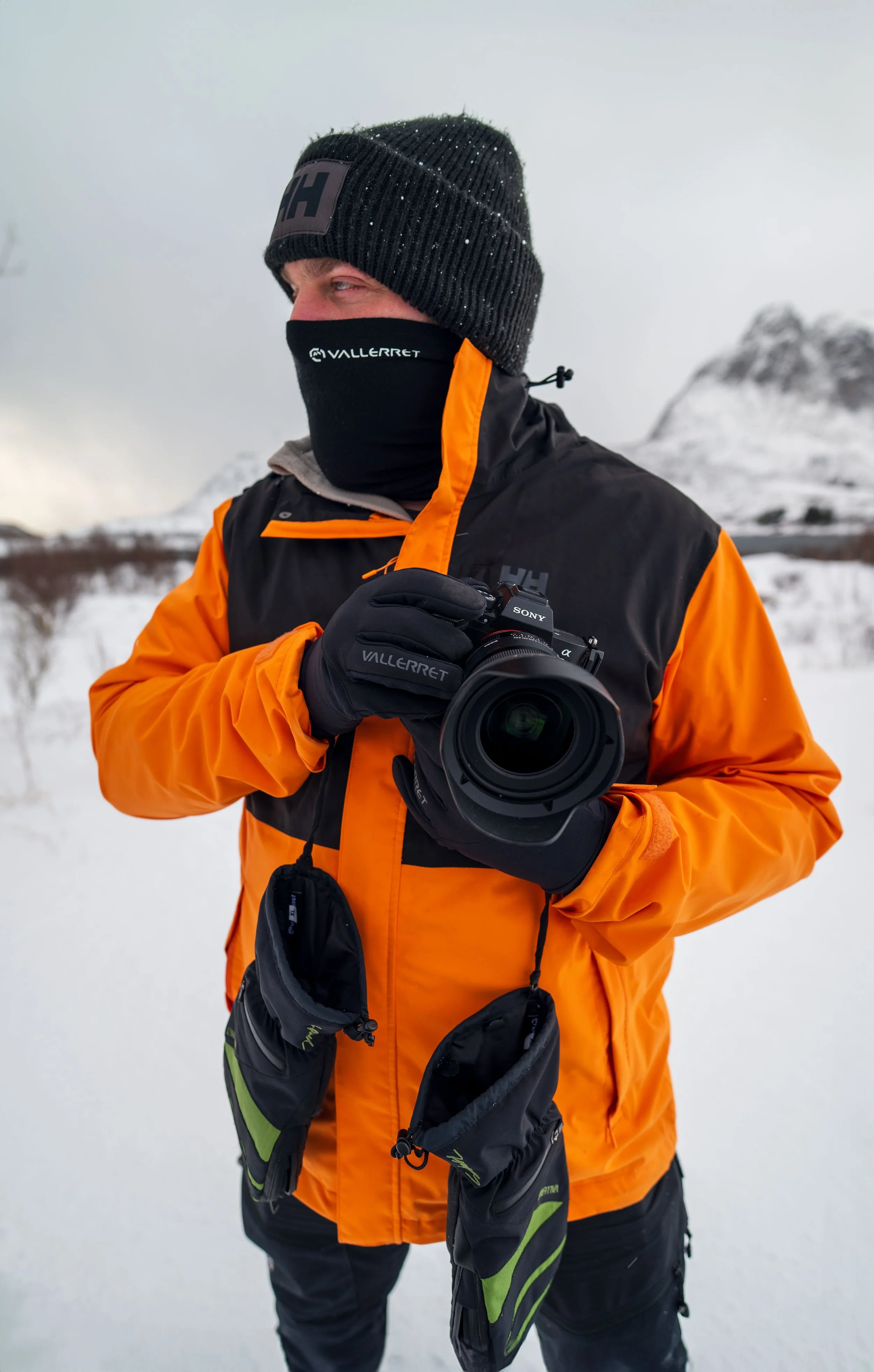
The Secret to Enjoying Lofoten
Preparation changes everything.
Visitors who struggle most with the weather are usually the ones dressed for a city break rather than the Arctic. Jeans and fashion sneakers might survive a weekend in London. In Lofoten, they become cold, wet regret.
Good layers are the key. Start with a proper base layer, add insulation like fleece or wool, then finish with a waterproof outer shell. Waterproof shoes or boots are worth their weight in gold. Windproof clothing matters too because Arctic wind has a remarkable ability to find every tiny gap in your jacket and personally insult you through it.
Even in summer, temperatures can feel cool when wind and rain arrive. In winter, conditions become even more dramatic, especially during storms. The difference between a magical experience and a miserable one is often simply whether you packed properly.
Photographers heading to Lofoten should also consider proper cold-weather camera gloves like those from Vallerret, designed specifically for shooting in Arctic conditions without freezing your fingers off every time you adjust a setting, and readers can get 10% off Photography Gloves using the code DAVEWILLIAMS10.
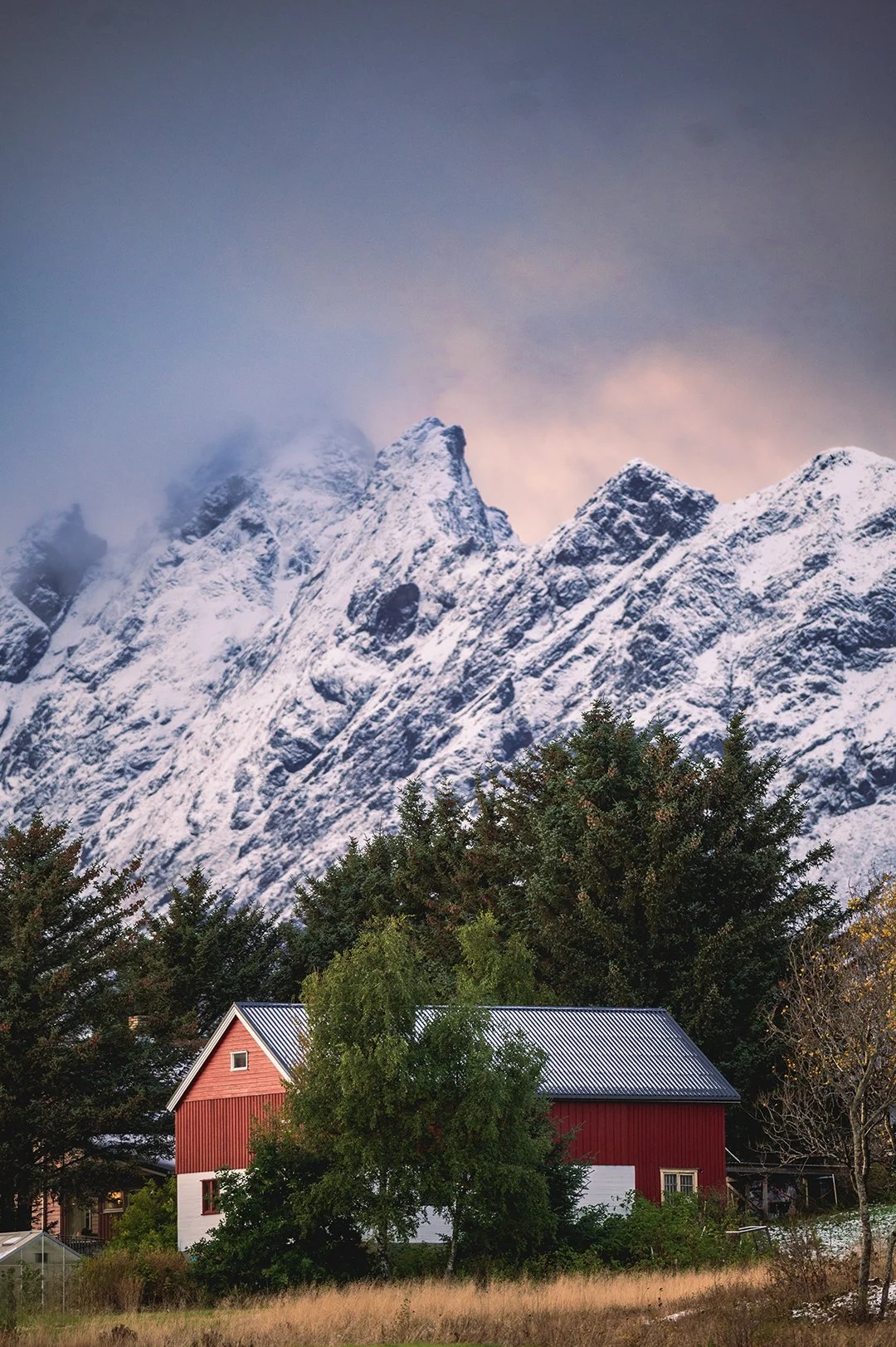
Why the Weather Makes Lofoten Special
Ironically, the wild weather is also part of what makes Lofoten so spectacular.
Those fast-moving storms create the moody skies photographers dream about. Rain showers rolling across the mountains produce rainbows, shafts of sunlight, and constantly changing light conditions. Winter storms can transform fishing villages into cinematic scenes straight out of a Viking film. Even the northern lights often appear between gaps in moving cloud, creating dramatic reflections and atmosphere.
If the weather stayed stable and predictable all the time, Lofoten would lose some of its magic. The constantly shifting conditions are part of the experience.
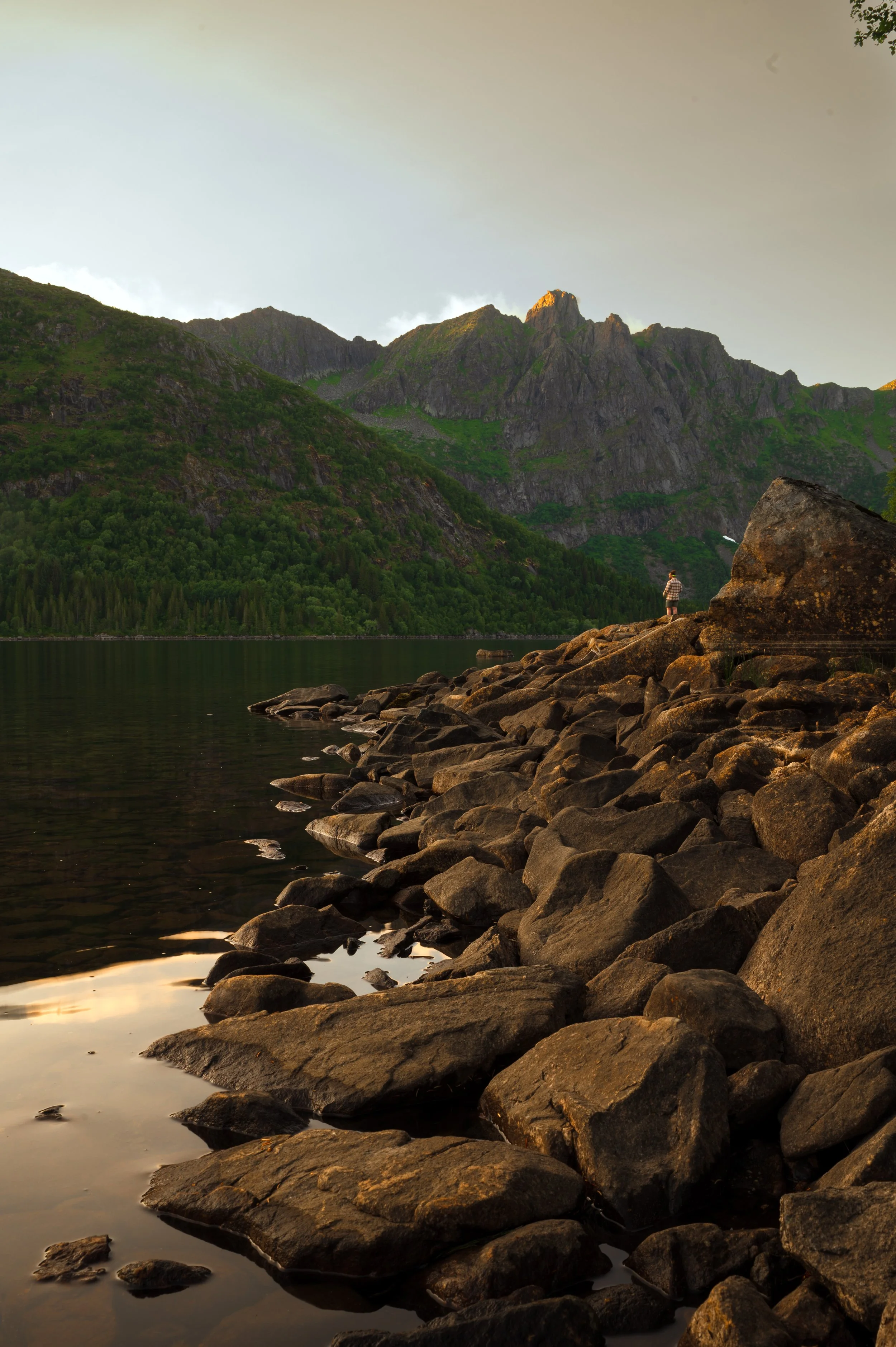
Respect Nature, Don’t Fear It
The important thing is to respect the weather rather than fear it.
Check forecasts regularly. Be flexible with plans. Carry extra layers. Bring waterproofs even if the morning looks perfect. Tell someone where you are going if hiking. Turn back if conditions deteriorate. The mountains will still be there tomorrow.
And remember: locals do not stop living because it rains sideways for a few hours. Children still walk to school. Fishermen still head out to work. People still go hiking. They just wear better clothing.
So when the forecast looks questionable during your trip to Lofoten, don’t panic. Pack properly, stay flexible, and embrace it. Some of the most memorable moments happen when the weather becomes part of the adventure.
After all, there’s no such thing as bad weather. Only bad clothing. And perhaps the occasional umbrella that lasted approximately six seconds in a Lofoten wind gust.